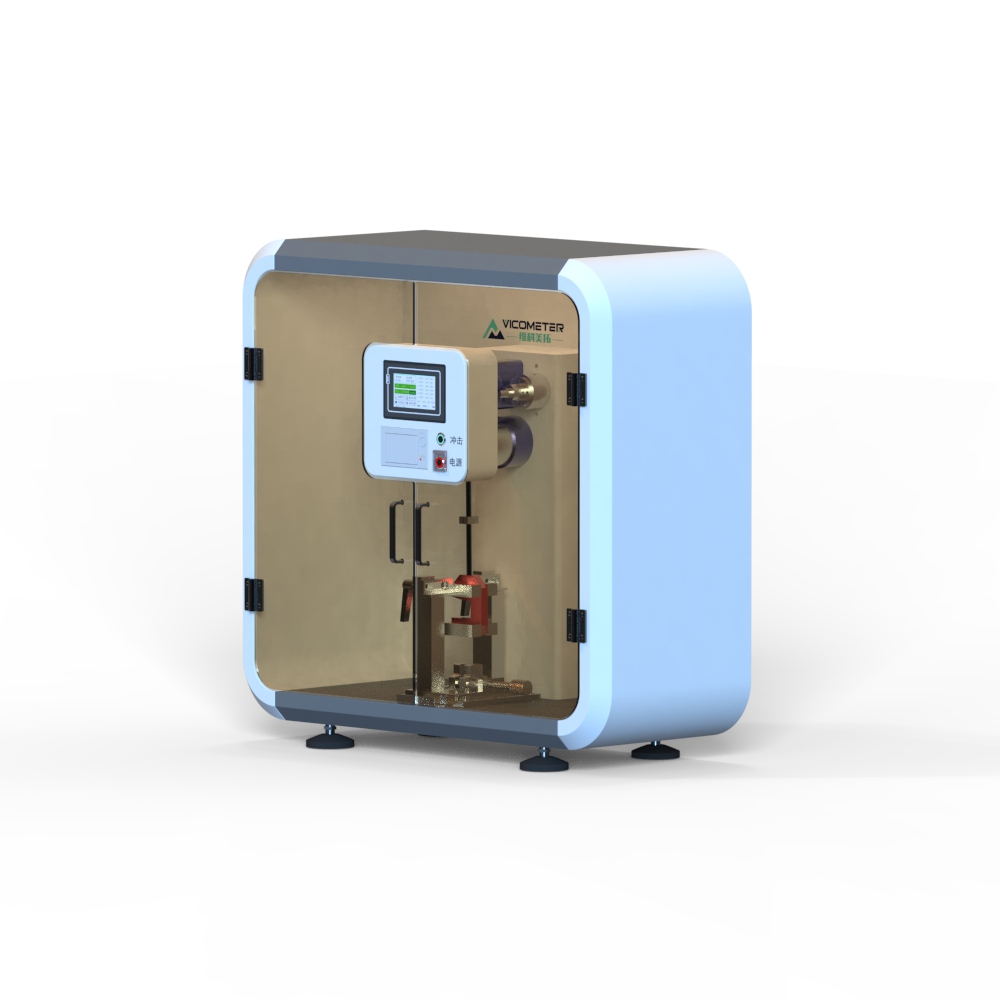
Impact Tester
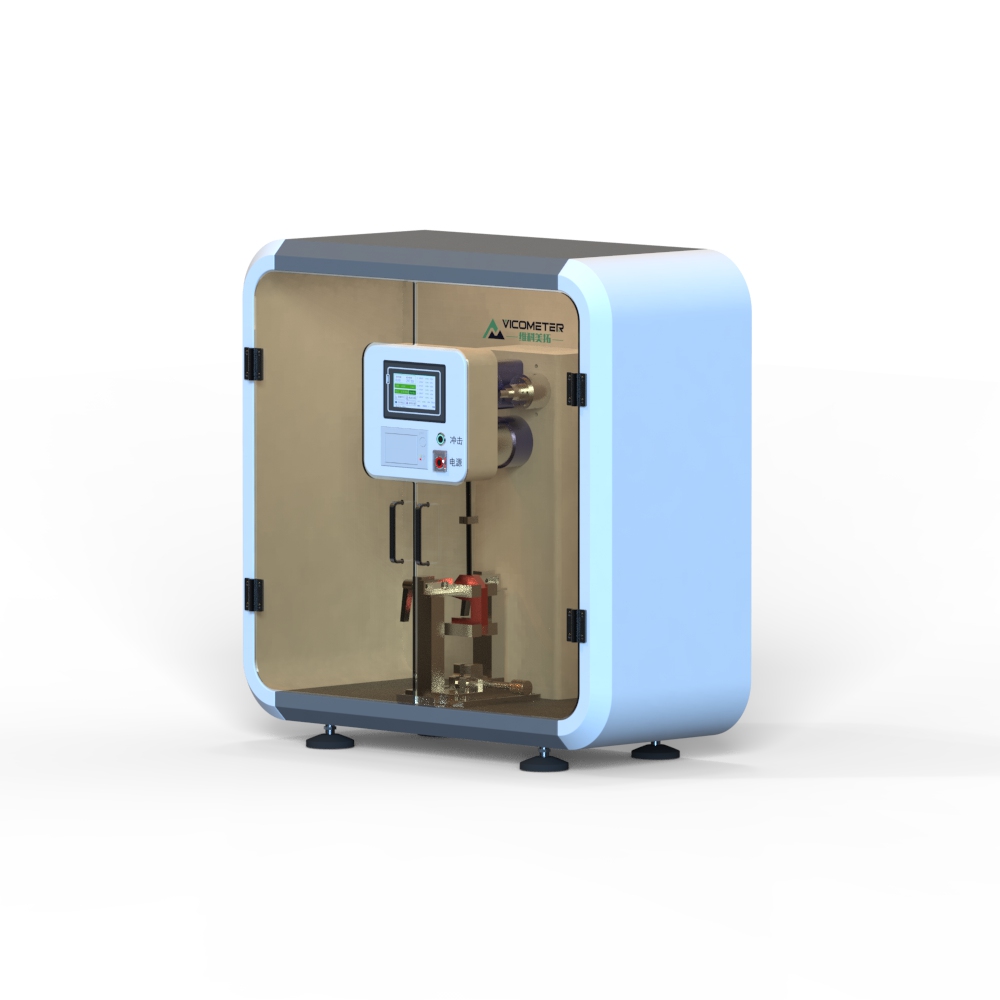
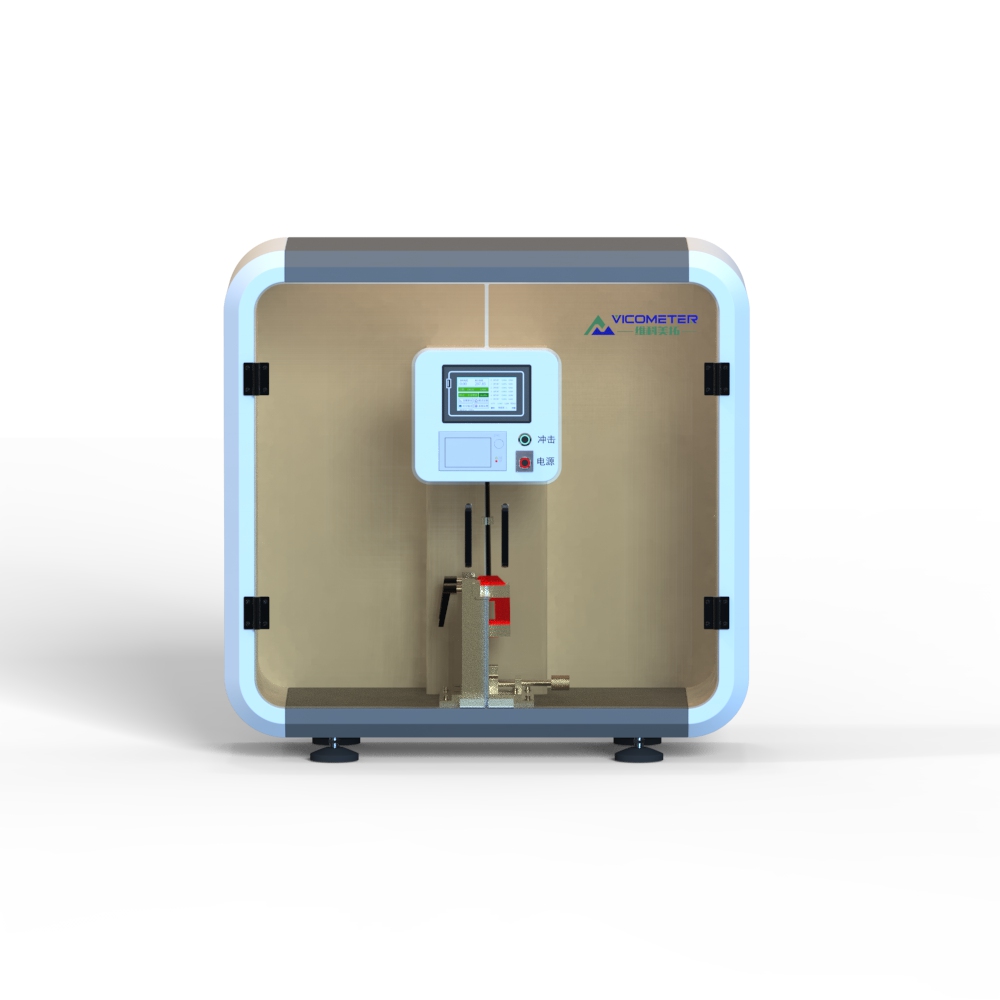
An impact tester is a device for testing the impact strength of materials. There are two types: pendulum impact testers and falling ball impact testers (or falling weight impact testers). Pendulum impact testers are further divided into simply supported beam impact testers (Charpy method) and cantilever beam impact testers (Izod method). They are used to determine the impact toughness of non-metallic materials such as plastics, fiber-reinforced composites, reinforced nylon, fiberglass, ceramics, cast stone, plastic electrical appliances, and insulating materials.

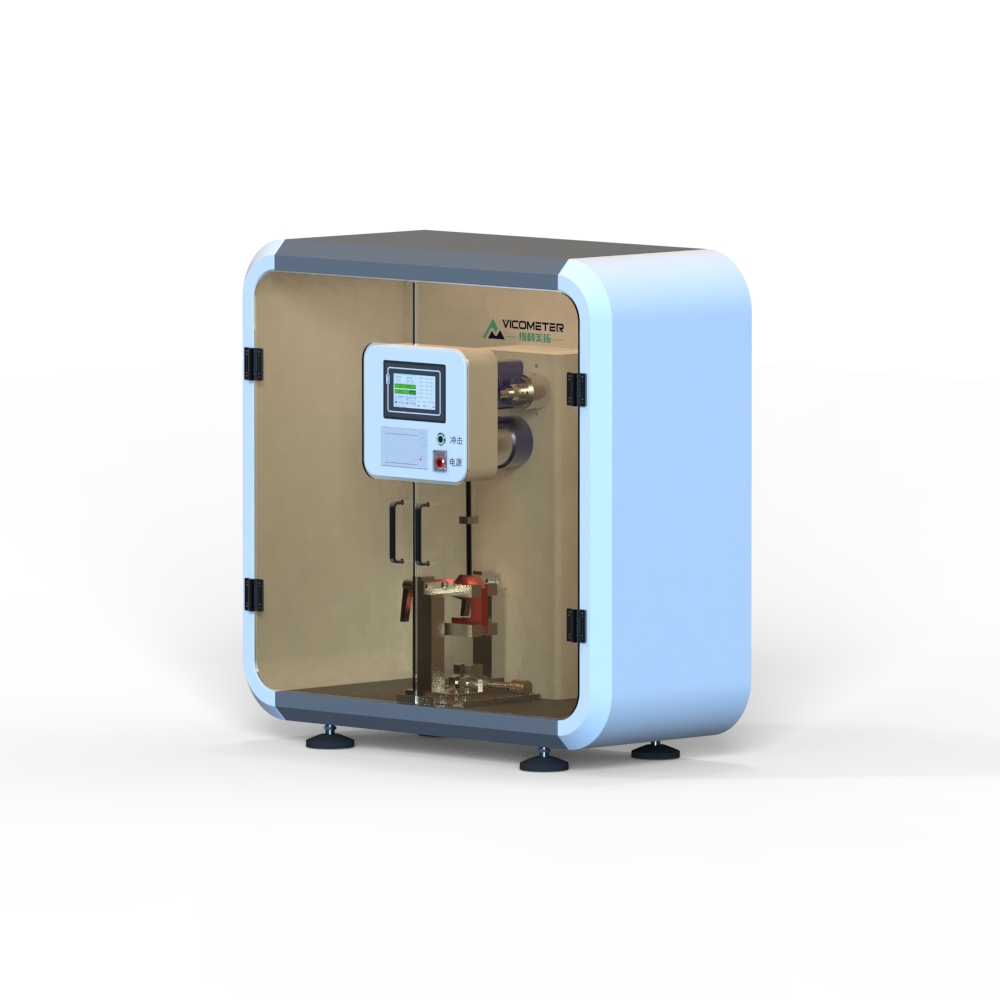
Impact Tester
(Click image to enlarge)
An impact tester is a device for testing the impact strength of materials. There are two types: pendulum impact testers and falling ball impact testers (or falling weight impact testers). Pendulum impact testers are further divided into simply supported beam impact testers (Charpy method) and cantilever beam impact testers (Izod method). They are used to determine the impact toughness of non-metallic materials such as plastics, fiber-reinforced composites, reinforced nylon, fiberglass, ceramics, cast stone, plastic electrical appliances, and insulating materials.
As the industry develops, market demand for pendulum impact testers continues to evolve. The three common forms are: Charpy impact testers, Izod impact testers, and combined Izod/Charpy impact testers. Pendulum impact testers are ideal testing equipment for the chemical industry, research institutions, universities, and quality inspection departments.
At present, the Charpy method is more commonly used in China for testing the impact strength of engineering plastics, while the Izod method is mostly used abroad. When using impact strength data, attention should be paid to the test method employed. Specimens for Charpy impact testing are divided into unnotched and notched types.

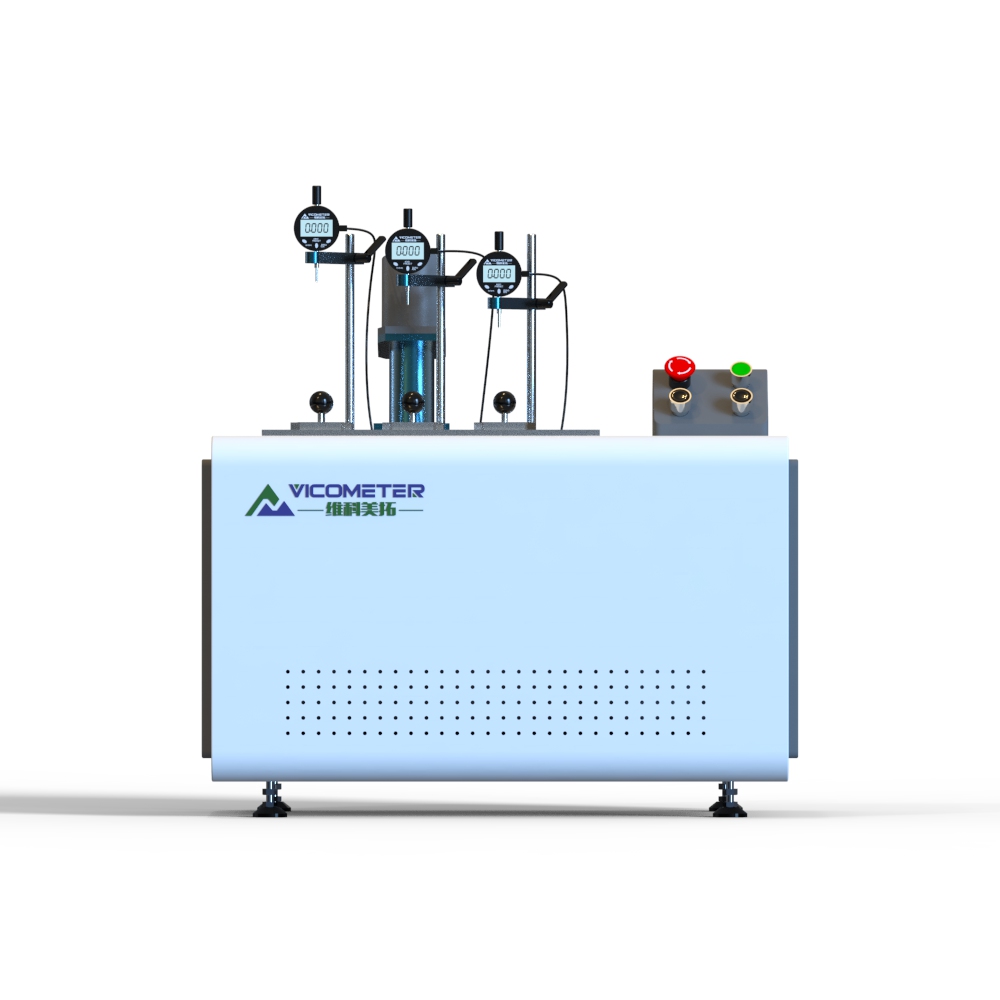
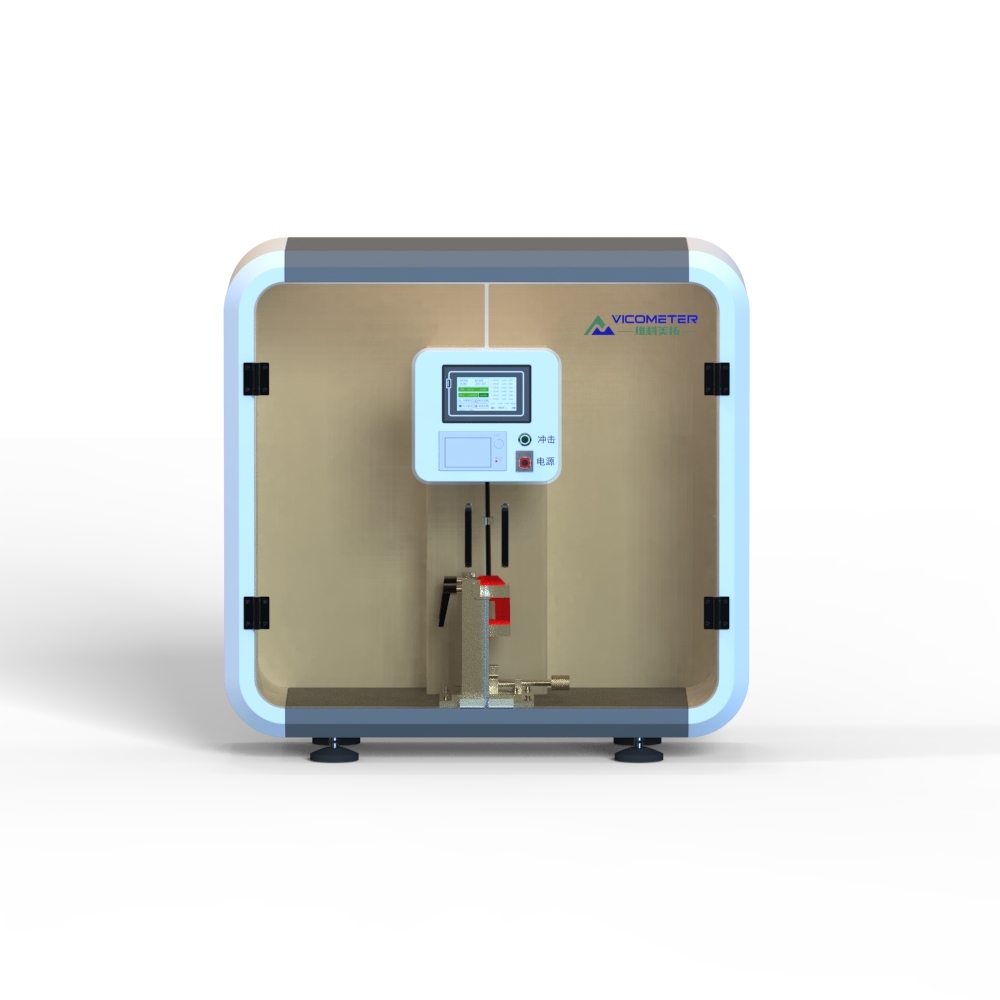
WKT-J5001 Charpy Impact Tester
Impact strength directly reflects, evaluates, or determines a material's (or product's) resistance to impact (degree of brittleness or toughness). Three methods are popular in the industry: Charpy impact, Izod impact, and falling ball (or falling weight) impact. The first two methods (Charpy and Izod) mainly judge the inherent impact performance of the material itself; the two have no essential connection — the difference is that Izod delivers greater impact energy, so materials that cannot be broken by Charpy are generally tested by Izod. Falling ball or falling weight impact reflects the impact resistance of the product itself (a product's impact resistance is determined by multiple factors such as material, thickness, and structure).
Due to different test conditions for Charpy, Izod, and falling weight impact (such as specimen specification, span form, impact mode, impact speed, notch type, etc.), various test items arise, such as low-temperature impact, high-temperature impact, unnotched impact, notched impact, and through-thickness impact.
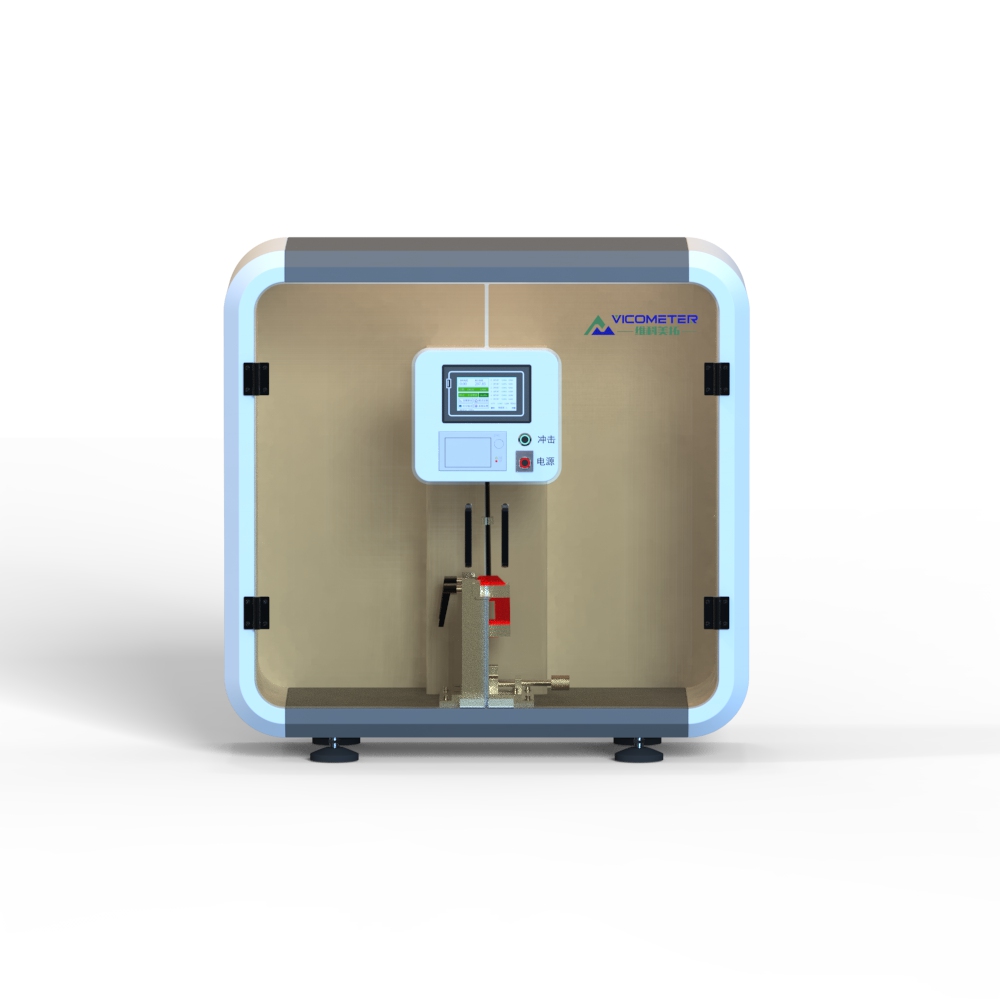
WKT-X8001 Izod Impact Tester
There are many methods for testing the impact strength of engineering plastics, mainly the pendulum impact test method and the falling weight impact test method. Pendulum impact testing is further divided into the Charpy method and the Izod method. The Charpy method is more commonly used in China, while the Izod method is mostly used abroad. When using impact strength data, attention should be paid to the test method employed. Specimens for Charpy impact testing are divided into unnotched and notched types.
(1) Unnotched specimen Charpy impact strength: The impact strength is the ratio of the impact energy absorbed at fracture of an unnotched specimen under impact load to the original cross-sectional area of the specimen, in kJ/m²2。
(2) Notched specimen Charpy impact strength: The impact strength is the ratio of the impact energy absorbed at fracture of a notched specimen under impact load to the original cross-sectional area at the notch, in kJ/m²2. Izod impact test specimens are notched, and the result is measured by the energy consumed per unit width at fracture, in J/m. Table 1 below lists the notched Izod impact strength of some engineering plastics.
Table 1: Notched Izod Impact Strength of Some Engineering Plastics
| Name | Notched Izod Impact Strength (J/m)2) | Name | Notched Izod Impact Strength (J/m)2) |
| PA6 | 56 | PA1010 | 40-50 |
| PA66 | 40 | ABS | 105-215 |
| PA11 | 39 | Polycarbonate | 660-880 |
| PA12 | 50 | Polyoxymethylene | 60-80 |
| PA610 | 56 | Polytetrafluoroethylene | 150-180 |

Schematic of Charpy Impact and Izod Impact
(Click image to enlarge)
Charpy and Izod impact strength represent the energy absorbed per unit area of the material; the more energy absorbed, the better the material's impact resistance. The figure on the right shows schematics of the two impact methods.
In these two tests, impact strength can be expressed by the following formula: , where a is the Charpy or Izod impact strength, in kJ/m² (kilojoules per square meter); A is the impact energy absorbed by the specimen, in J; b is the specimen width, in mm; d is the specimen thickness, in mm — for notched impact, the remaining thickness after subtracting the notch.
From the calculation formula, the specimen specifications chosen for the test (thickness, width, notched or not) affect the results. Furthermore, test temperature, selected impact energy, impact speed, span, and so on all affect the results. Theoretically, the greater the width and thickness of the specimen, the greater the absorbed impact energy A (in J), but the corresponding b×d (impact area) is also larger (the relationship between impact area and impact energy is complex, with many influencing factors, and is not linearly proportional). Thus, impact strength values at different thicknesses may deviate, but not greatly, and a thicker specimen does not necessarily have higher impact strength (impact strength only reflects the material itself; to judge a material's impact resistance at a given thickness, compare the magnitude of absorbed impact energy A).
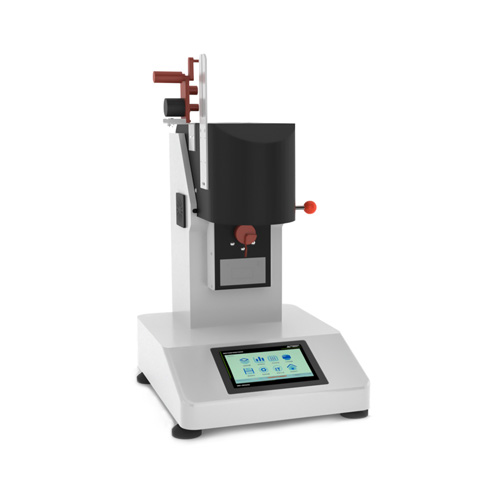
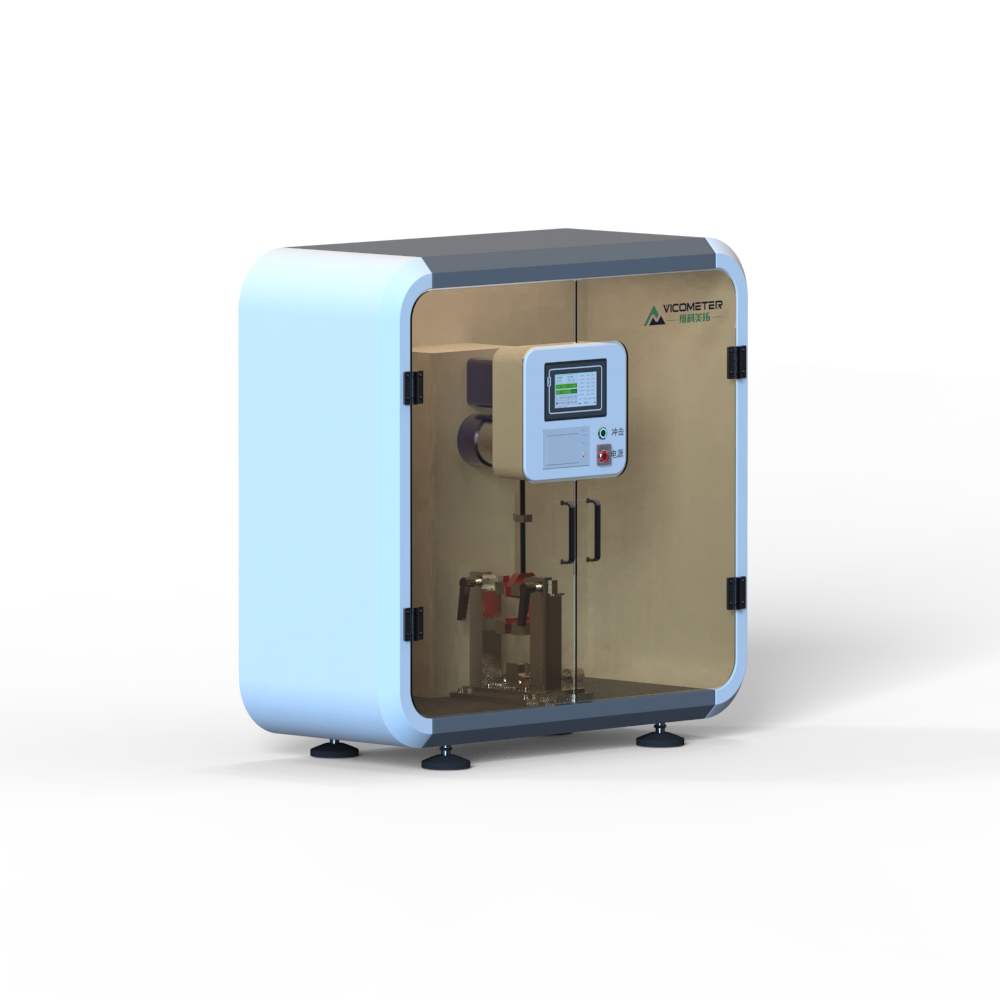
WKT-XJ8001 Touchscreen Combined Izod/Charpy Impact Tester
Meanwhile, for rigid materials, structural elasticity exists at certain thicknesses and support spans, which significantly affects impact test results. Therefore, national standards stipulate that specimens thinner than 3mm are generally not subjected to Charpy or Izod impact tests, and the upper thickness limit generally does not exceed 10mm; a thickness of 4mm is recommended. There are no very explicit rules on impact speed, span, and thickness — only recommended schemes are provided.
In summary, comparing the impact resistance of materials (Charpy and Izod) can only be done under the same time period, the same specimen thickness, and the same test conditions (span, impact speed, same notch type, etc.). Moreover, since the factors affecting a material's resistance to impact energy are complex, the impact resistance reflected by Charpy or Izod is only one-sided. Therefore, Charpy or Izod results mostly serve as auxiliary references; judging a material's impact resistance generally requires comprehensive determination combining multiple test items (elongation at break, elastic modulus, impact strength, etc.). For example, certain core-foamed materials yield extremely low data in Charpy or Izod impact tests, but their falling ball impact data are no worse than those of similar materials.
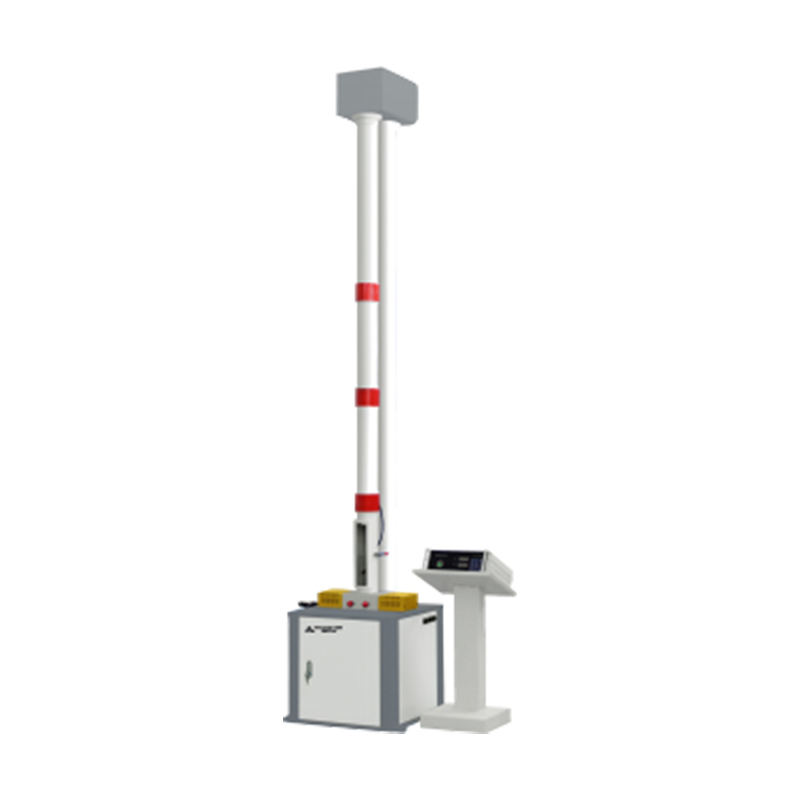
Falling ball and falling weight impact tests reflect the impact resistance of the product itself (a product's impact resistance is determined by multiple factors such as material, thickness, and shape/structure). The sample is placed on a support span of a certain shape and size, and a ball (or weight) of specific shape and mass is dropped freely from a certain height to impact the sample. By varying the weight of the ball (or hammer) or the drop height, and testing a certain number of samples multiple times, the energy required to damage the sample can be qualitatively judged or quantitatively determined.
National standards generally recommend a circular support span of 75mm diameter; some industry and local standards also specify other spans based on actual product use, such as a 50×500mm square support span. Generally speaking, the smaller the span, the greater the impact force at the same ball weight and height, and the more easily the sample is damaged. Falling ball (weight) impact strength is generally judged qualitatively by whether the material is damaged under certain test conditions, or by the number damaged; it can also be judged quantitatively by the gravitational potential energy of the ball (weight) at the moment of damage. Test and calculation methods can be carried out according to standards.
The difference between falling ball and falling weight lies in the shape: the ball has a circular cross-section, while the hammer has a rounded square cross-section. Falling ball (weight) impact strength is likewise affected by the chosen support span, sample thickness, and sample shape. At the same span and material, thicker samples usually have higher falling ball (weight) impact strength; at the same span, material, and thickness, samples with a flat structure at the impact point are usually more easily damaged than those with irregular structures (related to force decomposition under load — due to force decomposition, the force on the loaded cross-section of an irregular sample is smaller).
For the same material with the same shape, an unnotched specimen has higher impact strength than a notched specimen. The purpose of using notched specimens is to greatly reduce the cross-sectional area at the notch; under impact, fracture must occur at this weak point, and all impact energy is absorbed locally — this is called stress concentration — thereby improving test accuracy.
Related Products
Recently Viewed Products




Copyright © Jiangsu Victor Instrument Meter Co., Ltd. All rights reserved | Sitemap | Technical Support: VicoMeter Operations Center