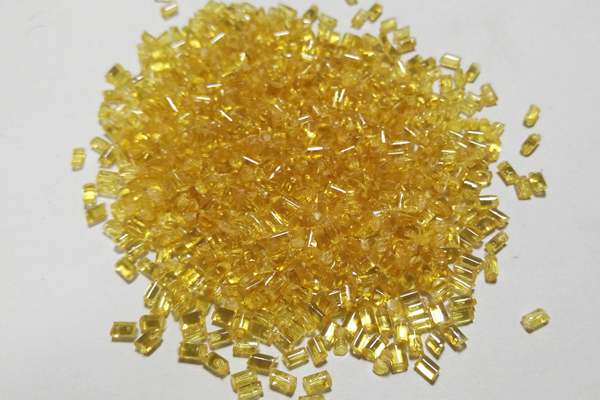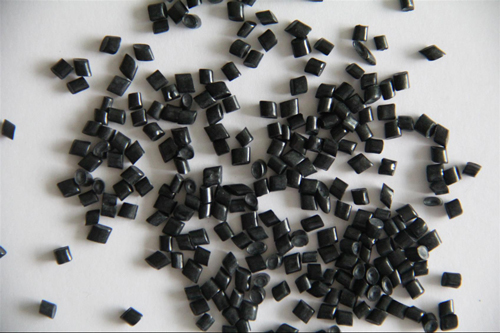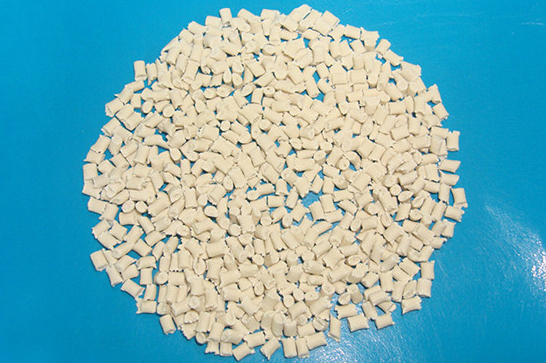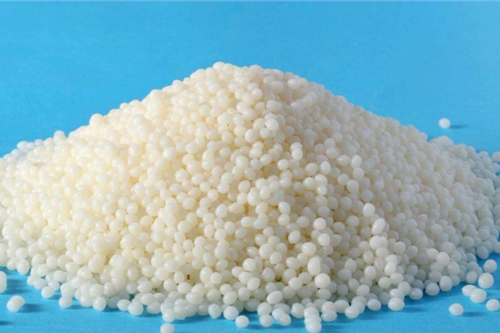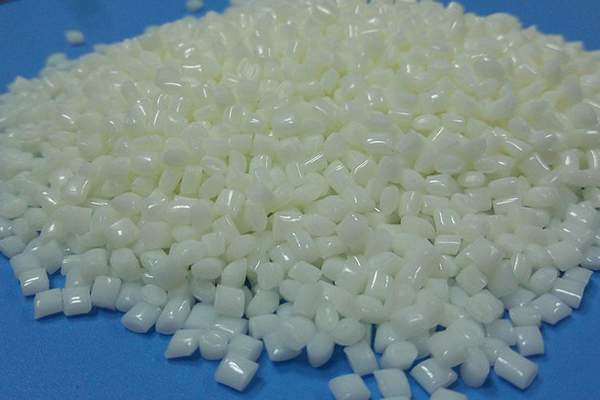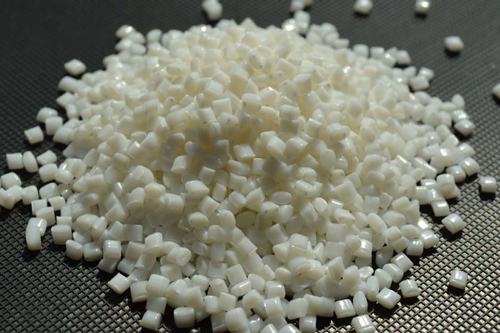
Rubber and plastics is the collective term for the rubber and plastics industries.
The rubber industry is one of the important basic industries of the national economy. It provides essential light-industry rubber products for daily life and medical use, and supplies rubber production equipment and components to heavy and emerging industries such as mining, transportation, construction, machinery and electronics. With a wide variety of products and extensive downstream industries, the rubber industry has grown considerably in recent years: established segments have risen steadily while new segments have expanded rapidly. At the same time, the industry still faces challenges related to the environment, resources, disasters and innovation.
After long-term effort and opening to the world, China's plastics industry has formed a relatively complete industrial system and become a basic materials industry on par with steel, cement and timber; as a new material, its applications have far surpassed those three. Since the beginning of the 21st century, China's plastics industry has made remarkable achievements and a historic leap. As a pillar of light industry, the plastics sector has maintained rapid growth in recent years, showing strong momentum across synthetic resins, plastics machinery and plastic product manufacturing.
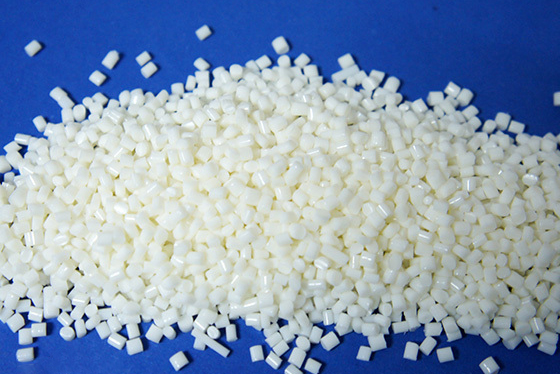
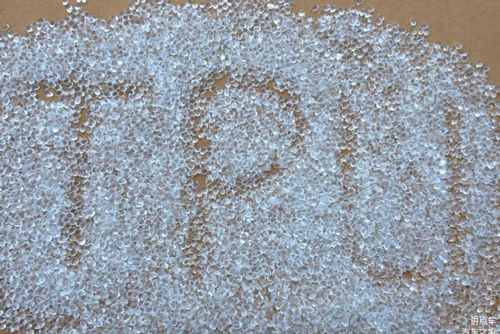
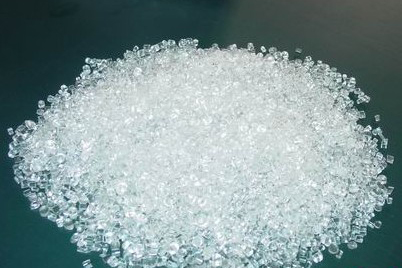
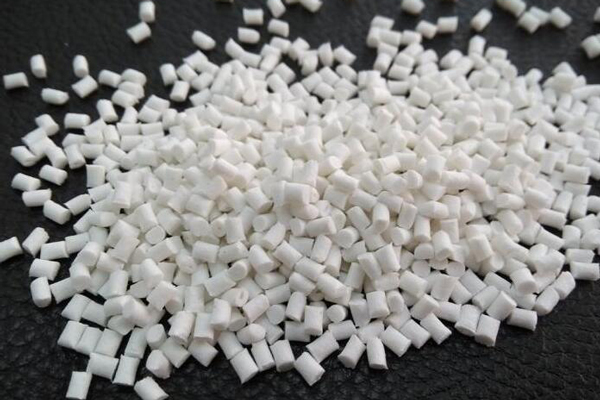
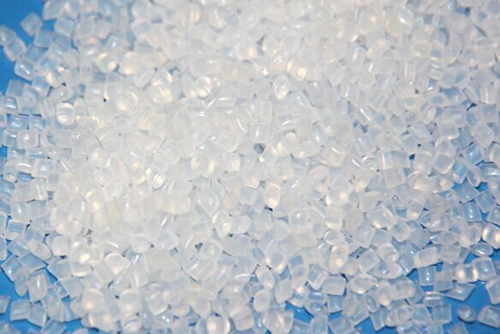
In the rubber and plastics industry, raw materials absorb moisture from the environment or retain surface moisture during transportation, storage and production. Although the amount absorbed by rubber and plastic pellets is very small, failing to control raw-material moisture at these stages can cause serious quality problems during production—bubbles, deformation, gloss defects, surface flaws and poor mechanical properties (impact, tensile strength, etc.)—and in severe cases reduced output, increased scrap or even production shutdowns.
Besides affecting yield, moisture also influences other test results, such as melt index measurement. When material moisture is too high, the melt flow indexer generates excessive water vapor during heating, producing bubbles that are hard to remove from the heating chamber and leaving micro-bubbles inside the sample strand, which affects the melt index result. Therefore, moisture control of raw materials in the rubber and plastics industry must strictly follow national standards.
Raw materials may be affected by ambient moisture during transportation, storage, transfer and processing, so moisture measurement is necessary at every stage before production. If moisture exceeds the limit, the raw material must be dried before production; some materials may fail drying requirements because of insufficient drying temperature, affecting production. Raw-material moisture testing therefore helps improve the drying process and raise product yield and mechanical performance. Accurately measuring and controlling raw-material moisture is essential in this industry.
Freshly dried raw materials or products may re-adsorb ambient moisture during transfer if humidity is too high, so moisture testing is also necessary during transfer. The following principles should be observed: minimize transfer time and steps to reduce environmental interference; seal the raw materials or products; and lower the dew point or humidity of the environment.
During production, some equipment requires gases—usually inert gases such as compressed air, nitrogen or helium. The moisture content of these gases varies with factory standards or the equipment's filtration and drying systems. Users should choose carrier gases of the highest possible purity to minimize this interference.
Finished products also have very strict moisture requirements. Excessive moisture leads to reduced productivity, lower inspection pass rates, degraded performance, bacterial growth and shorter shelf life, seriously affecting users.
As shown above, moisture analyzers are used at every stage of the rubber and plastics industry, and each stage places different demands on equipment type and accuracy. The validity of results directly affects production yield and quality. Below, VicoMeter briefly introduces the types of moisture testing equipment and their application scenarios in this industry.
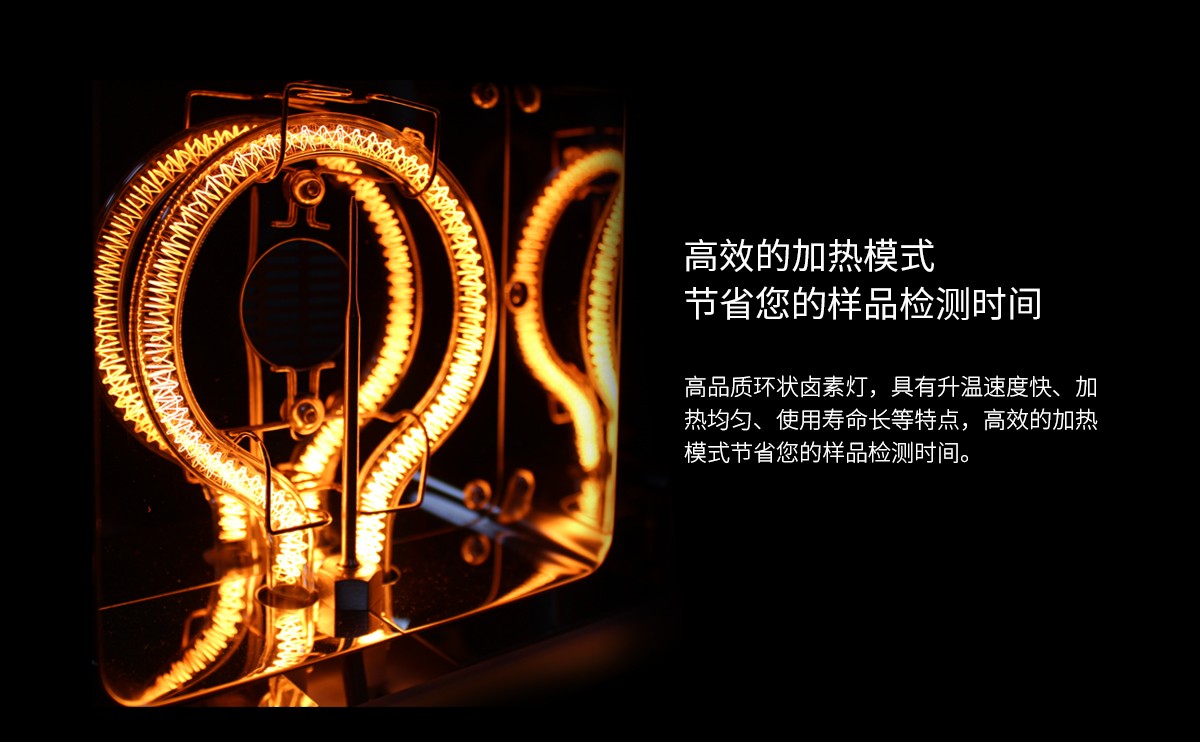
The drying method, also called the "loss-on-drying method", uses physical analysis to determine moisture content by exploiting the effect of heating on moisture volatilization to dry out the moisture in the material. The traditional and more common moisture determination method is the oven method, in which the material sample is dried in an oven, weighed before and after drying on an electronic balance, and the moisture value is calculated manually... Learn more about the loss-on-drying principle
Based on different user needs, we offer the following solutions:
Halogen moisture analyzers and far-infrared dark-field heating moisture analyzers
Choose the instrument that suits your needs, or contact VicoMeter customer service directly for advice.
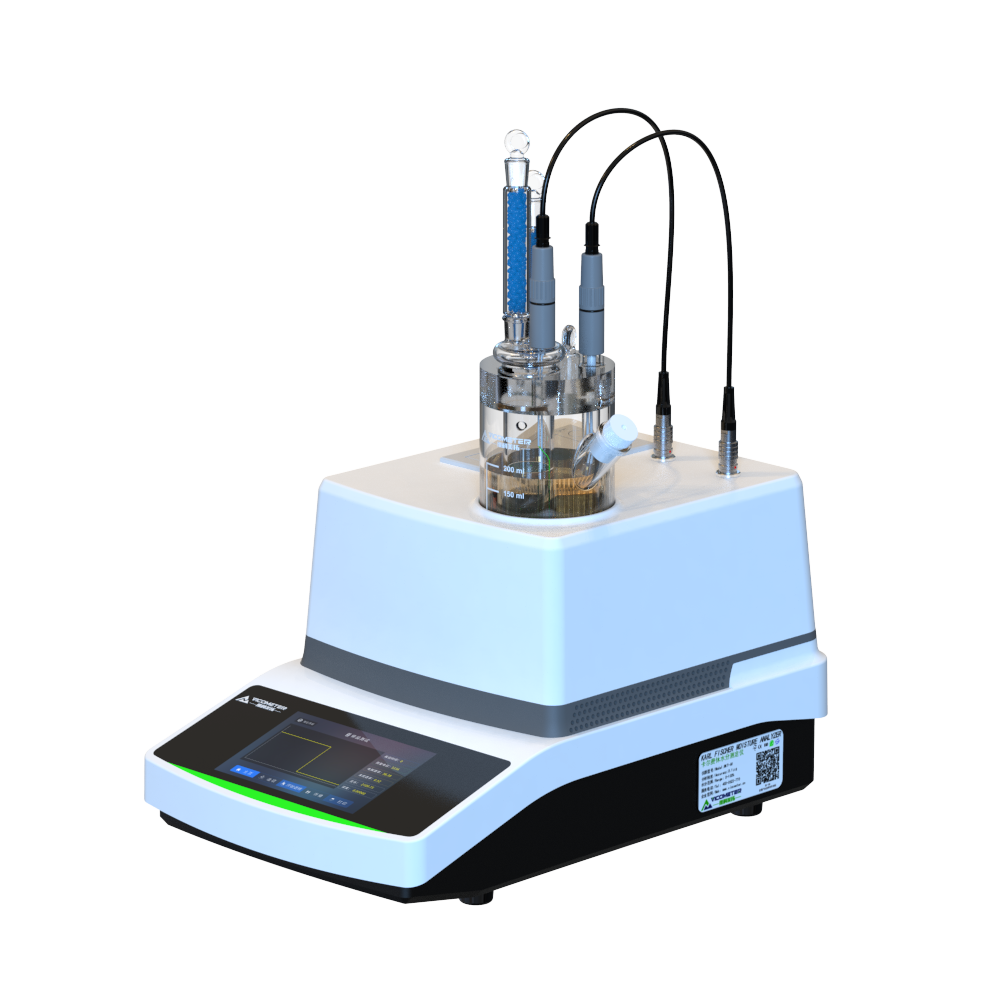
The Karl Fischer method (volumetric and coulometric), proposed by Karl Fischer, is the most water-specific and accurate chemical method; recent improvements raised accuracy and range, making it the standard for many substances...Learn More About the Principle of Karl Fischer Moisture Analyzers
Based on different user requirements, VicoMeter offers the following solutions:
Karl Fischer Trace Moisture Analyzer (Coulometric)
Karl Fischer Moisture Analyzer (Volumetric)
Choose the instrument that suits your needs, or contact VicoMeter customer service directly for advice.
A portable analyzer rapidly measures material moisture—less precise than a lab model but far more reliable than a “veteran's” touch. Calibrated units read on site, and out-of-range materials go to the lab for confirmation—popular for incoming materials, production, and spot checks in rubber and plastics.
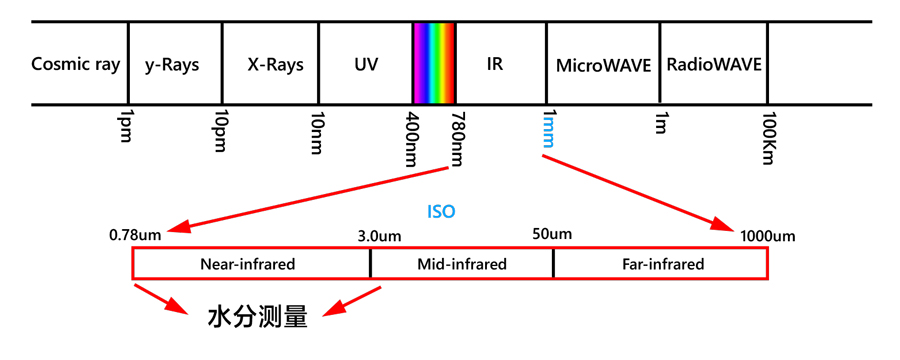
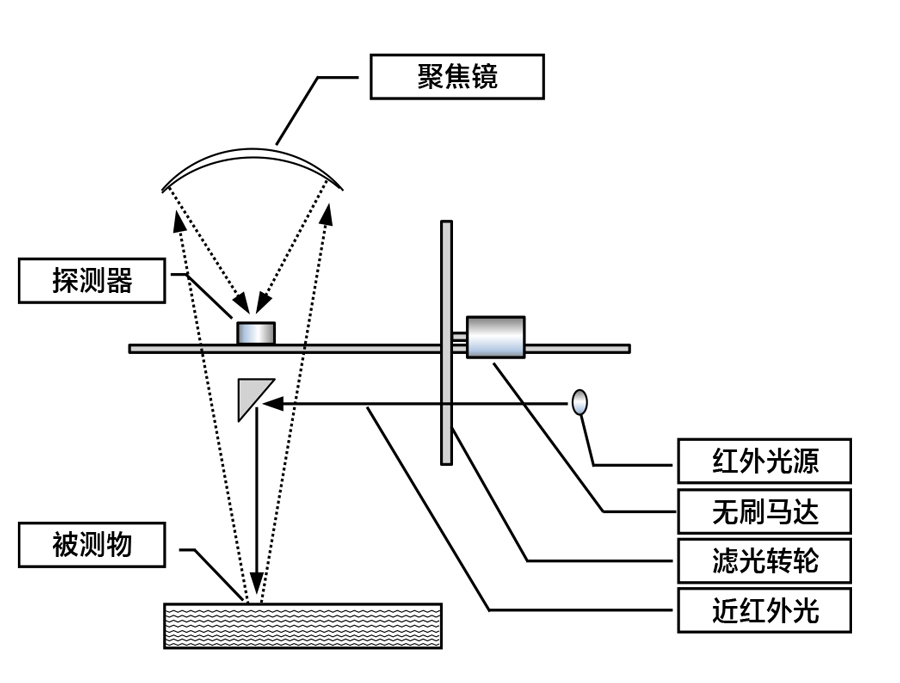
An online moisture analyzer continuously monitors product moisture during production and displays it in real time. In the rubber and plastics industry, microwave and infrared are the two main technologies. Online measurement is also a rapid moisture testing solution; unlike portable analyzers, it can be installed directly at the production site for real-time monitoring. Companies can analyze historical data to refine processes, or use moisture alarms for rapid response to on-site excursions, supporting stable production and playing a vital role in operations...Learn More About the Principle of Online Moisture Analyzers
Based on different user needs, we offer the following solutions:
NIR Online Moisture Meter
Online Microwave Moisture Analyzer
Choose the instrument that suits your needs, or contact VicoMeter customer service directly for advice.
Using the resistive-capacitive method, the sensor rapidly displays dew point/humidity in full gas contact. It mounts on lines or travels to the field—no consumables—covering storage/transport ambient gases and process gases/equipment to catch problems early.
Other niche methods, represented by the pressure-differential method, are not detailed here due to their limited user base, complex operation or lower safety.
Melt mass-flow rate (MFR), also referred to as melt index (MI, melt index), is the mass in grams of molten resin flowing through a standard capillary die in a standardized melt flow indexer within a specified time (usually 10 min) at a defined temperature and load, expressed in g/10 min. MFR is an important reference for selecting plastic processing materials and grades, helping raw materials better match processing requirements and improving the molding reliability and quality of finished products. In plastics processing, MFR is a key indicator of melt flowability, and measuring it also provides insight into polymer structural factors.
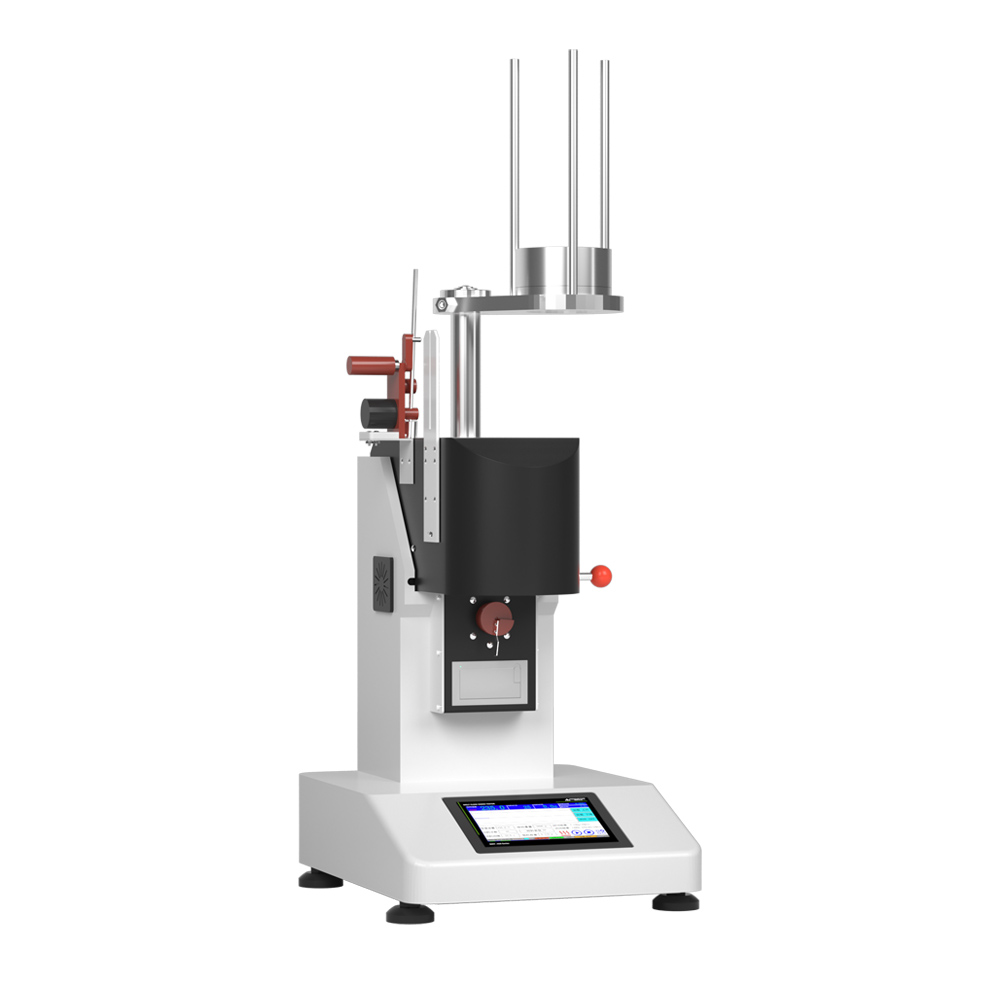
A melt flow indexer, also called a melt index tester, measures the MFR of various plastics and resins in the viscous-flow state. It suits both engineering plastics with high melting temperatures—polycarbonate, polyarylsulfone, fluoroplastics, nylon—and plastics with lower melting temperatures such as polyethylene (PE), polystyrene (PS), polypropylene (PP), ABS resin, polyoxymethylene (POM) and polycarbonate (PC). It is widely used in plastics production, plastic products and petrochemical industries, as well as universities, research institutes and commodity inspection departments.
The melt flow indexer is suitable for determining the melt mass-flow rate of thermoplastics as specified in the national standard GB/T 3682-2000 "Determination of the melt mass-flow rate (MFR) and melt volume-flow rate (MVR) of thermoplastics." This standard is identical to ISO 1133:1997, and the instrument also meets the ASTM D1238 test standard.
A universal testing machine, also called a universal tensile tester or electronic tensile machine, uses microcomputer-controlled, fully digital wide-band electro-hydraulic servo valves to drive precision hydraulic cylinders. The control system automatically controls test force, displacement and deformation in multiple modes, performing tensile, compression, bending and shear tests on rubber and plastics specimens.
In the plastics industry, universal testing machines mainly determine the mechanical properties of thermosetting and thermoplastic materials: tensile modulus, flexural modulus, compressive modulus, yield strength, tensile strength, breaking strength, elongation at break, compressive stress, compressive strain, shear, peel, tear, puncture and more. Typical applications include material analysis and testing for engineering plastics, reinforced nylon, modified plastics, plastic profiles, pipes, sheets and films.
VicoMeter Knowledge Corner
Universal testing machines are also used in many other fields: metal materials, aerospace, powder metallurgy, magnetic materials, ceramics, rubber and plastics, metrology and quality inspection, commodity inspection and arbitration, technical supervision authorities, universities, research laboratories, basic materials laboratories, metallurgy and steel, machinery manufacturing, electronics, automotive production, textiles and chemical fibers, wires and cables, packaging materials and food, instrumentation, medical devices, petrochemicals, civil nuclear energy, energy batteries, basic materials and specialty materials.
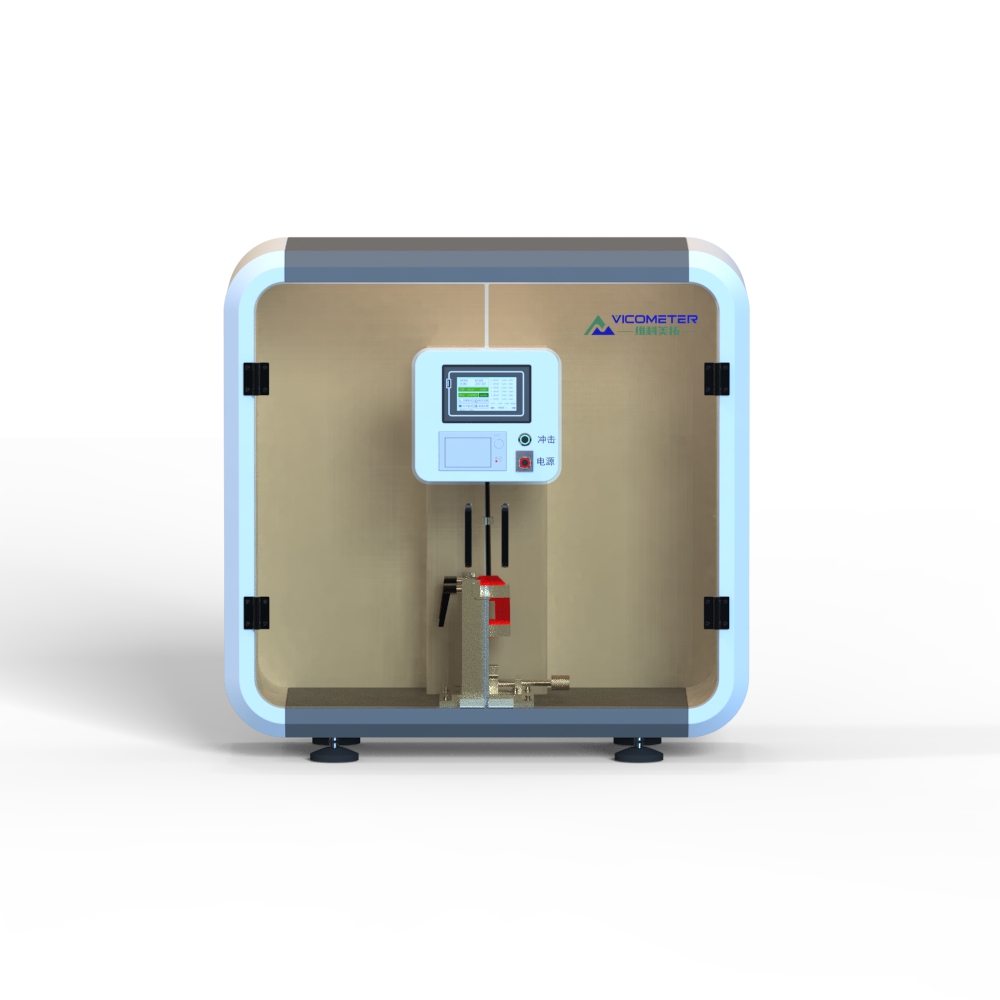
An impact tester (impact testing machine) is a materials testing machine that applies an impact force to a specimen. Types include manual pendulum, semi-automatic, digital-display, microcomputer-controlled, drop-weight and non-metallic impact testers. By changing the pendulum and specimen supports, both Charpy (simply supported beam) and Izod (cantilever beam) tests can be performed.
Impact is an instantaneous load on a structural system—a brief process of energy transfer from outside into the system. Impact testing evaluates the safety, reliability and effectiveness of rubber and plastic raw materials and finished products under external impact, and is widely used in the industry.
A differential scanning calorimeter (Differential Scanning Calorimeter) measures the relationship between temperature and heat flow associated with thermal transitions inside a material. Its applications are very broad, especially materials R&D, performance testing and quality control. Properties such as glass transition temperature, cold crystallization, phase transitions, melting, crystallization, product stability, curing/cross-linking and oxidation induction time are all within the scope of DSC.
DSC application scope: curing reaction temperature and thermal effects of polymers; phase transition temperatures and their thermal effects; crystallization and melting temperatures and thermal effects of polymers; and glass transition temperature of polymers.
A thermogravimetric analyzer (TGA) uses thermogravimetry to measure the mass change of a substance versus temperature. It consists of a weighing module, heating module, intelligent system and data system, with two main principles: the deflection method and the null-balance method. Thermogravimetry measures mass as a function of temperature (or time) under a controlled temperature program. When the sample sublimes, vaporizes, decomposes to release gas or loses crystal water during heating, its mass changes and the TG curve drops instead of staying linear. Analyzing the TG curve reveals at what temperature changes occur and, from the weight loss, how much material was lost.
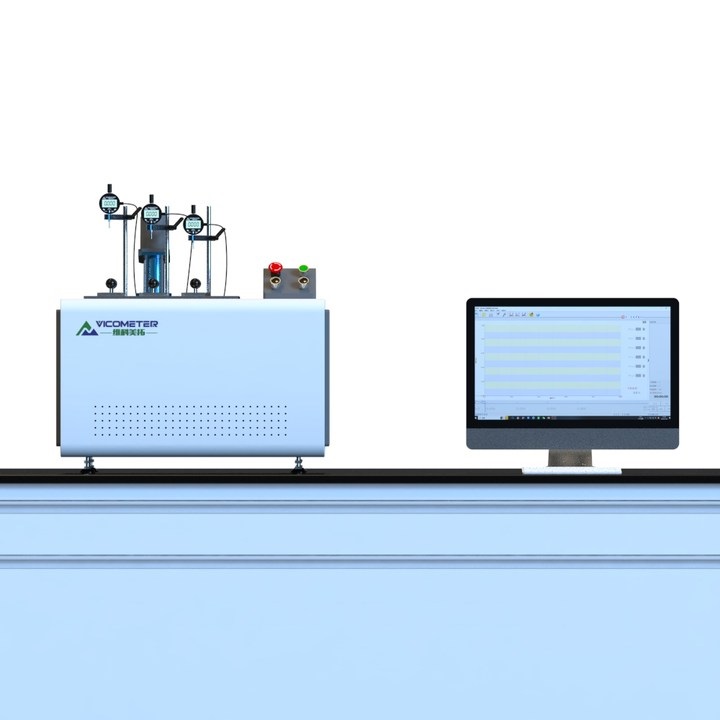
The heat resistance of a polymer generally means its ability to retain physical-mechanical properties as temperature rises. The heat-resistance temperature is the temperature at which a specified deformation is reached under a given load, commonly called the softening point (TS). Because different test methods specify different parameters, the physical meaning of the softening point is less defined than the glass transition temperature. Vicat, Martens and heat deflection temperature methods are commonly used to test plastic heat resistance. Results from different methods have no quantitative correlation and can only be used for relative comparison between plastics.
The Vicat softening point is the temperature at which a thermoplastic specimen, in a specified liquid heat-transfer medium under a given load and constant heating rate, is penetrated 1 mm by a 1 mm² needle. This method applies only to most thermoplastics. The measured Vicat softening point suits quality control and evaluating the thermal performance of new grades, but does not represent the service temperature. The current national standard is GB/T 1634-1979.
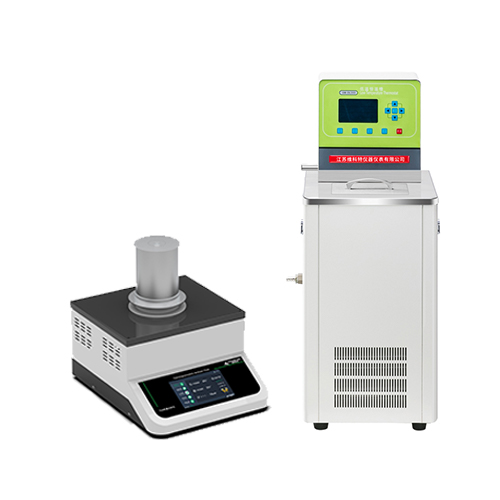
Density is one of the most fundamental physical properties of plastics, closely related to crystalline structure (crystallinity), rigidity, strength and molding conditions. Plastics are synthesized mainly from synthetic or natural polymer resins with various additives, are ductile under certain pressure and temperature, and polymer properties can be fundamentally changed by compounding with other elements or altering the synthesis process, affecting physical properties and volume change. Measuring plastic density therefore has an overarching impact on controlling mechanical properties and dimensional change. Moreover, different plastics have different densities, so density measurement can also identify plastics.
Mainly used to determine the non-combustion performance of plastics, rubber or films under a specified flame source, to assess fire-resistance ratings. Based on GB/T 2408, UL and other standards for plastics flammability research, the horizontal and vertical flame tester suits R&D, production and quality-inspection departments for electrical and electronic plastic or rubber products and components—lighting equipment, low-voltage electrical appliances, household appliances, motors, tools, instruments and electrical connectors—as well as insulation materials, engineering plastics, fire-stop materials (type approval) and other solid combustible materials industries.
Sample preparation machines are widely used to prepare standard test specimens of non-metallic materials such as plastics, acrylic, fiberglass and carbon fiber. Users can adjust the machine's die opening according to production requirements to produce specimens that meet their needs.
Weighing equipment is widely used in the rubber and plastics industry: R&D of materials, material inbound/outbound management, production and packaging of raw materials, and production and packaging of finished products.
View Details
Hot Products
Recently Viewed Products




Copyright © Jiangsu Victor Instrument Meter Co., Ltd. All rights reserved | Sitemap | Technical Support: VicoMeter Operations Center