The papermaking industry manufactures various papers and paperboards. It comprises pulp manufacturing, which makes pulp from wood, reeds, bagasse, rice straw, wheat straw, cotton stalks, hemp stalks, cotton and other raw materials; paper and paperboard manufacturing; and processed paper manufacturing, which produces coated, glazed, gummed, laminated and other processed papers as well as stereotype paper boards. Papermaking is one of China's four great inventions. As early as 32 BC to 16 AD, during the reign of Emperor Cheng of the Western Han Dynasty, thin paper could already be made; in 105 AD, during the reign of Emperor He of the Eastern Han Dynasty, Cai Lun used tree bark, hemp, rags and broken fishing nets instead of silk and floss as raw materials, greatly advancing the development of hand papermaking. Machine papermaking worldwide began at the end of the 18th century.
The papermaking industry is an important sector closely tied to national economic development and social civilization.
In economically developed countries, paper and paperboard consumption grows in step with GDP. Its role in the modern economy has drawn increasing attention worldwide, and it is internationally recognized as an "evergreen" industry. In the United States, Canada, Japan, Finland, Sweden and other economically developed countries, papermaking has become one of the ten pillar manufacturing industries of the national economy. Modern papermaking differs from ordinary consumer goods industries: it is a technology-, capital-, resource- and energy-intensive basic materials industry with significant economies of scale and continuous, high-efficiency production. More than 80% of total output serves as production materials for news, publishing, printing, packaging and other industrial uses, while less than 20% is for direct consumption. The paper industry is closely linked with forestry, agriculture, machinery manufacturing, papermaking, thermal power, transportation and environmental protection, and drives upstream and downstream industries. Countries around the world now regard paper and paperboard production and consumption as one of the important indicators of a nation's modernization and civilization.
Industry products include pulp, machine-made paper and paperboard, processed paper, handmade paper, etc. To meet fierce market competition and modernize the pulp and paper industry while improving economic efficiency, pollution and consumption must be reduced and the environment protected as much as possible during production.
Paper is composed mainly of cellulose, and fiber bundles are strongly hydrophilic; most other papermaking raw materials are also strongly hydrophilic, so paper is a material that readily absorbs water. Changes in paper moisture content cause the following problems. Moisture refers to the water content of paper—i.e., the ratio of the weight (mass) lost after drying the paper by a prescribed method to the weight (mass) at sampling, generally expressed as a percentage (%).
When paper fibers absorb water and swell, the fiber cross-section changes considerably while the length barely changes. Consequently, the dimensional change of paper across the grain is greater than along the grain during printing. Since the edges of stored paper contact the air more than the center, when the ambient humidity is higher than the paper's moisture, the paper absorbs moisture and develops "wavy edges"; when the ambient humidity is lower, the paper loses moisture and develops "tight edges". If paper already has "wavy edges" or "tight edges" before printing, uneven compression during printing causes misregistration of printed images, and in severe cases, printing wrinkles.
Moisture changes also cause paper curling. One-sided coated paper has coating on one side and strongly hygroscopic fiber on the other; the coating barely expands or contracts while the fiber changes considerably, so curling is more prominent in one-sided coated paper than in two-sided coated paper. In relatively high humidity, one-sided coated paper absorbs moisture and tends to curl toward the coated side; in relatively low humidity, it loses moisture and tends to curl toward the fiber side.
During printing, if the moisture content of one-sided coated paper changes (over-drying or over-wetting), the moisture balance between fiber and coating is destroyed: losing moisture causes curling toward the uncoated side, while absorbing moisture causes curling toward the coated side. Curling before printing affects printing smoothness and efficiency; curling during or after printing severely impacts subsequent processing and packaging. Paper moisture is therefore an indispensable test item.
Loss-on-drying, also called the heated weight-loss method, is a physical method for determining moisture: heating drives off and dries out the water in the material. The traditional and most common approach is the oven method — the sample is dried in an oven, weighed on an electronic balance before and after, and the moisture value calculated by hand... Learn more about the loss-on-drying principle
Based on different user needs, we offer the following solutions:
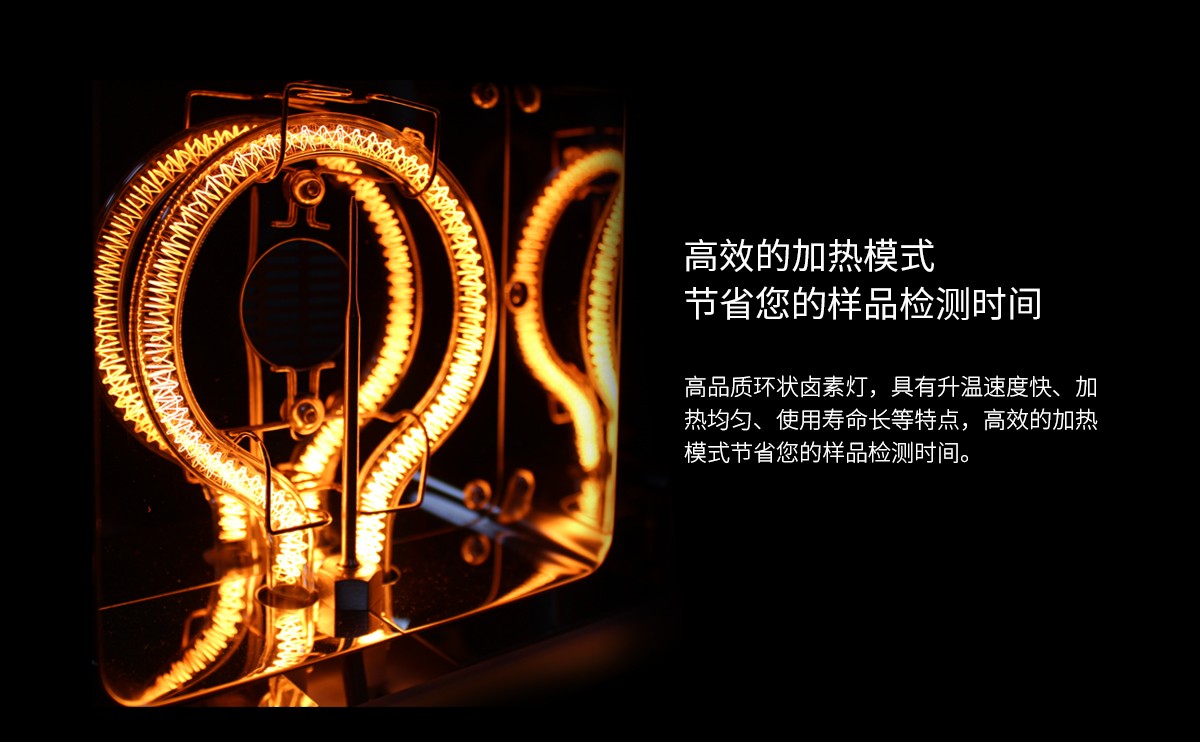
Halogen moisture analyzers and far-infrared dark-field heating moisture analyzers
Choose the instrument that suits your needs, or contact VicoMeter customer service directly for advice.
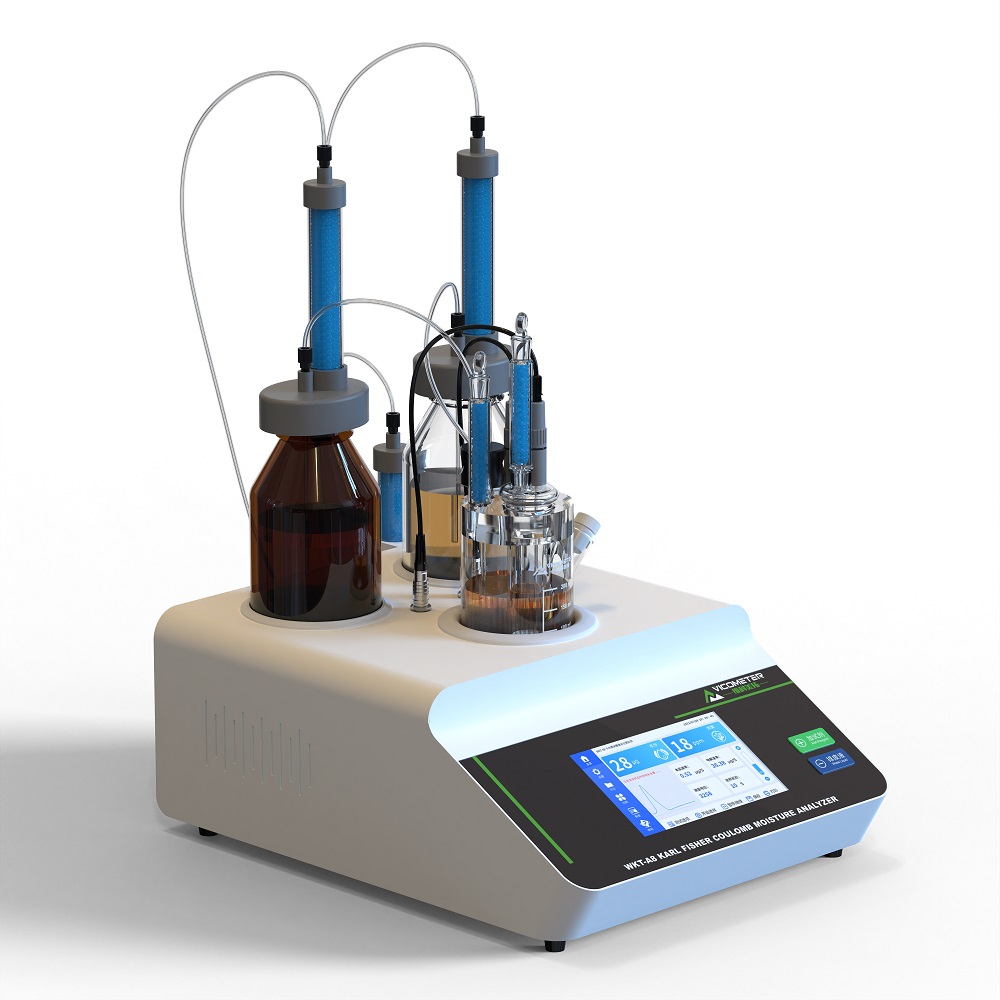
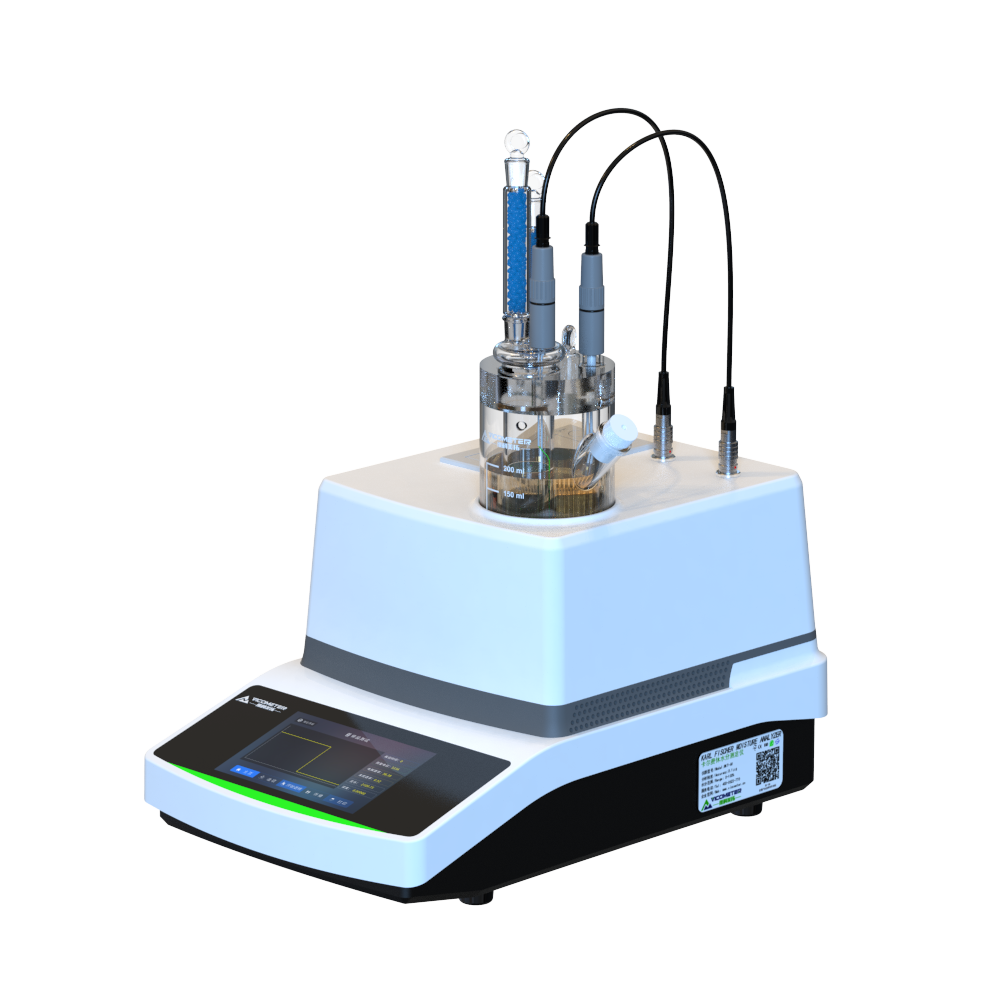
The Karl Fischer method (volumetric and coulometric), proposed by Karl Fischer, is the most water-specific and accurate chemical method; recent improvements raised accuracy and range, making it the standard for many substances...Learn More About the Principle of Karl Fischer Moisture Analyzers
Based on different user requirements, VicoMeter offers the following solutions:
Karl Fischer Trace Moisture Analyzer (Coulometric)
Karl Fischer Moisture Analyzer (Volumetric)
Choose the instrument that suits your needs, or contact VicoMeter customer service directly for advice.
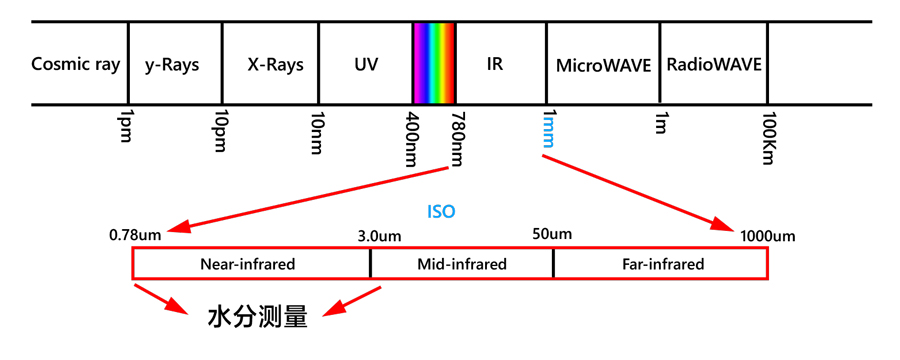
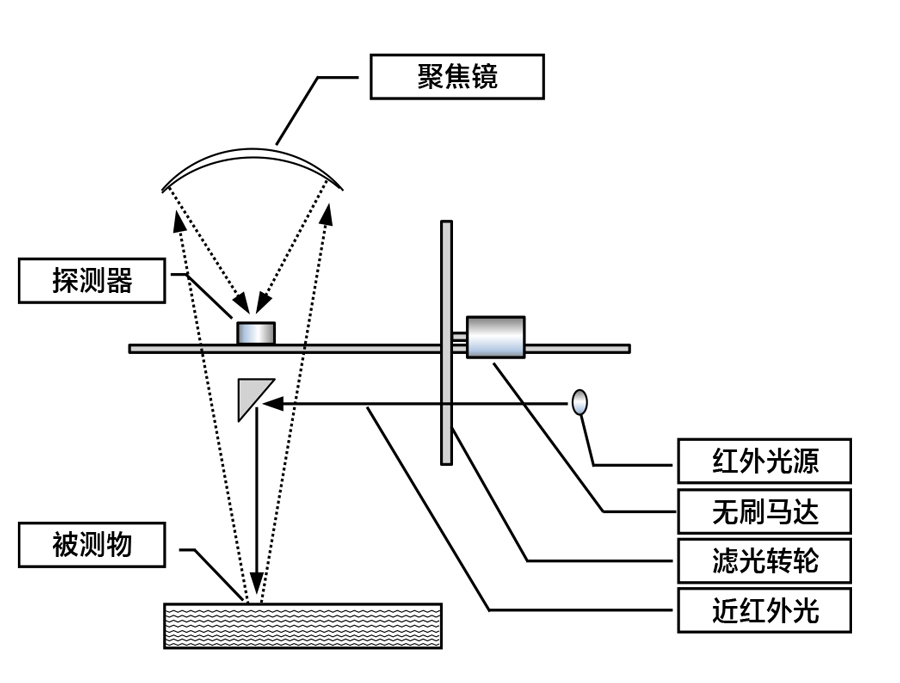
An online moisture analyzer is an instrument that continuously monitors product moisture during production and displays it in real time. In the papermaking industry, microwave and infrared methods are the two main solutions. Online moisture analyzers are also a rapid moisture testing solution; unlike portable moisture analyzers, they can be installed directly at the work site to monitor material moisture in real time. Enterprises can analyze historical data to refine production processes, and use the moisture alarm function to quickly address on-site moisture overruns, helping ensure stable production. They play a vital role in enterprise production activities...Learn More About the Principle of Online Moisture Analyzers
Based on different user needs, we offer the following solutions:
NIR Online Moisture Meter
Online Microwave Moisture Analyzer
Choose the instrument that suits your needs, or contact VicoMeter customer service directly for advice.
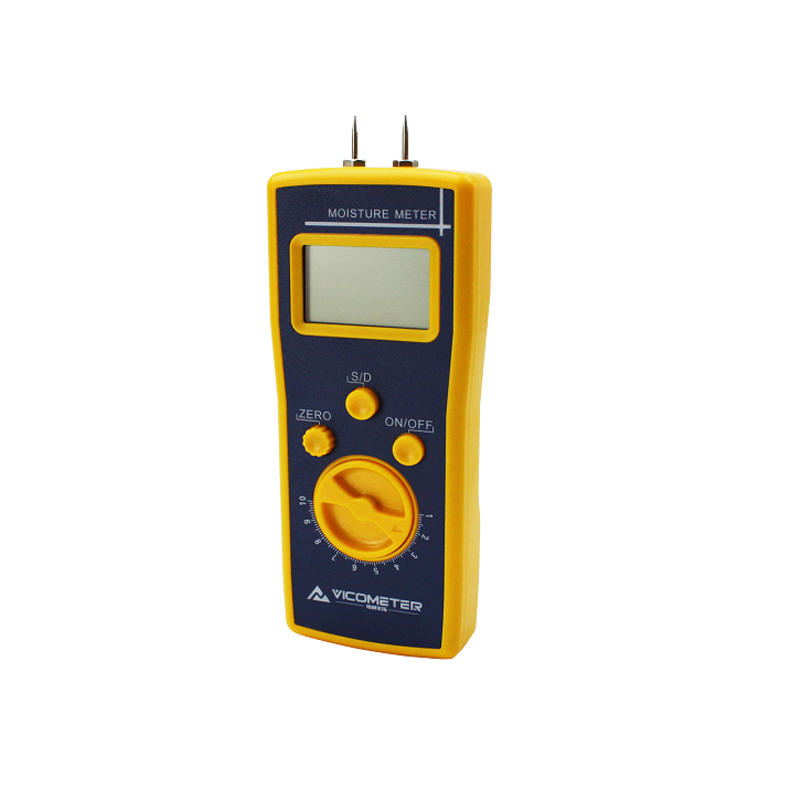
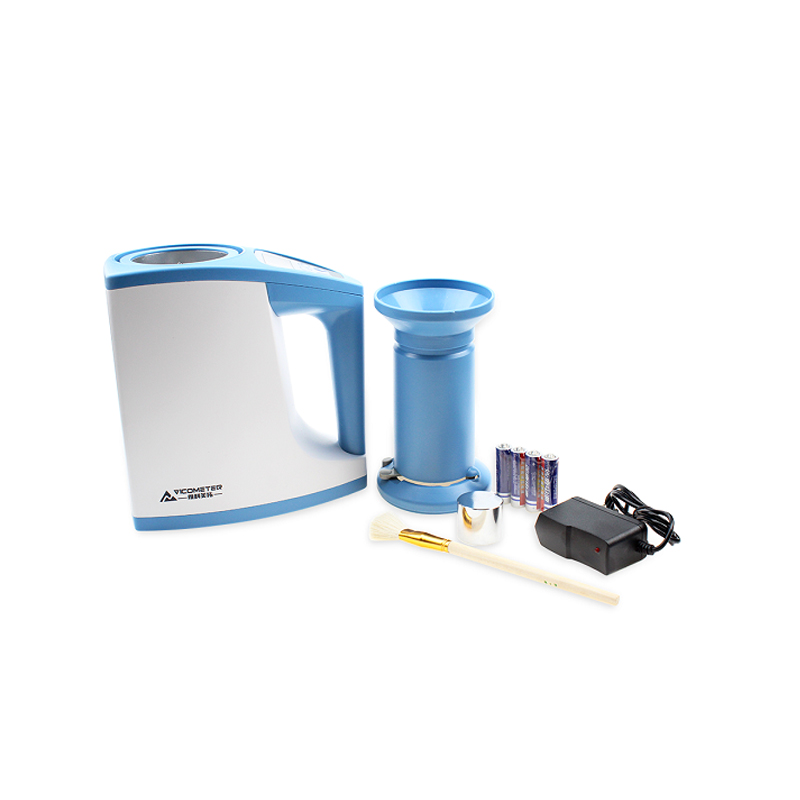
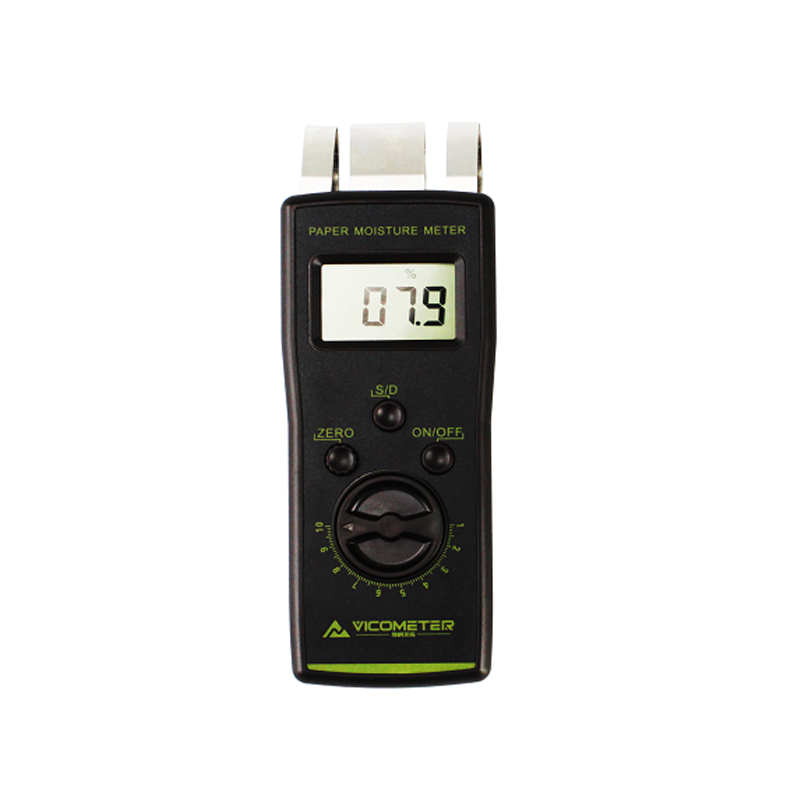
A portable moisture analyzer is in effect a fast moisture testing instrument. Its overall accuracy is lower than that of laboratory moisture analyzers, but it is more reliable and accurate than the touch and experience of an “old hand”. A calibrated portable moisture analyzer can quickly determine the moisture content of samples on site; if the moisture of papermaking materials is found to exceed the alarm limit, the sample is sent to a professional laboratory for confirmation with a laboratory moisture analyzer. Thanks to their portability and speed, portable moisture analyzers are widely used in incoming material inspection, production sites and spot checks in the papermaking industry.
Using the resistive-capacitive method, the sensor rapidly displays dew point/humidity in full gas contact. It mounts on lines or travels to the field—no consumables—covering storage/transport ambient gases and process gases/equipment to catch problems early.
View Details
Hot Products
Recently Viewed Products




Copyright © Jiangsu Victor Instrument Meter Co., Ltd. All rights reserved | Sitemap | Technical Support: VicoMeter Operations Center