We know that water accounts for 50–65% of the human body and plays a vital role in its normal functioning. Just as the human body needs water, wood inevitably contains a certain proportion of moisture, and this moisture content changes under the influence of ambient humidity. Like human skin, wood is porous and expands and contracts with temperature, so the moisture in wood is constantly changing. The percentage ratio of the mass of water in wood to the mass of the wood is called the moisture content, which is commonly used to describe moisture changes in wood.
States of water in wood: according to its binding form and location in wood, water can be divided into three categories: free water, adsorbed water, and bound water. The main moisture in wood is free water and adsorbed water, while the content of chemically combined water is very small. In daily use, adsorbed water plays a crucial role in the performance of wood.
As shown in the figure above, the moisture content at which the wood cell walls (adsorbed water) are saturated while the cell cavities contain no free water is called the fiber saturation point. The fiber saturation point of wood is generally taken as 30%, though it varies slightly among different wood species.
The fiber saturation point is the turning point for changes in wood properties. Below the fiber saturation point, the wood fibers in the cell walls absorb water like compressed biscuits — the wood swells, the moisture content increases, and the wood strength decreases. When the fiber saturation point is reached, the wood cells and intercellular spaces store water like a reservoir, and the volume and properties of the wood remain essentially unchanged. Conversely, above the fiber saturation point, water loss causes essentially no change in wood volume or properties, while below the fiber saturation point, water loss causes the wood to shrink and its strength to increase.
In simple terms, during wood drying, keeping the wood around the 30% fiber saturation point threshold ensures its hardness. If the moisture content of wood is not effectively controlled, it will adversely affect the use of the wood.
Moisture in wood enters the coating as the thinner evaporates, causing blushing; if the moisture cannot be released, it also affects the transparency of the coating.
Because the coating easily reacts with moisture to generate gas, bubbles form as the gas escapes, and pinholes appear when the bubbles burst, resulting in poor adhesion such as cracking, blistering, and peeling of the coating film.
If the moisture content of the wood is high, the interface between the coating and the wood remains wet, which affects the drying speed and proper curing of the coating, causing incomplete drying or even mildew.
High moisture content in wood affects its coloring; when the moisture content changes, the coating changes color along with the shrinkage of the wood, making the color less vivid.
When the moisture content is high and coated wood products can still exchange moisture with the outside, the moisture in the wood and the moisture in the air flow between each other until equilibrium is reached; the wood moisture content at this point is called the equilibrium moisture content — the state in which the moisture content of the wood is in balance with that of the air. When the wood moisture content is below the equilibrium moisture content, the wood absorbs water from the air and swells; when it is above the equilibrium moisture content, the wood loses water and shrinks, causing wood products to warp, deform, and crack due to shrinkage.
Therefore, wood drying must bring the moisture content below the equilibrium moisture content.
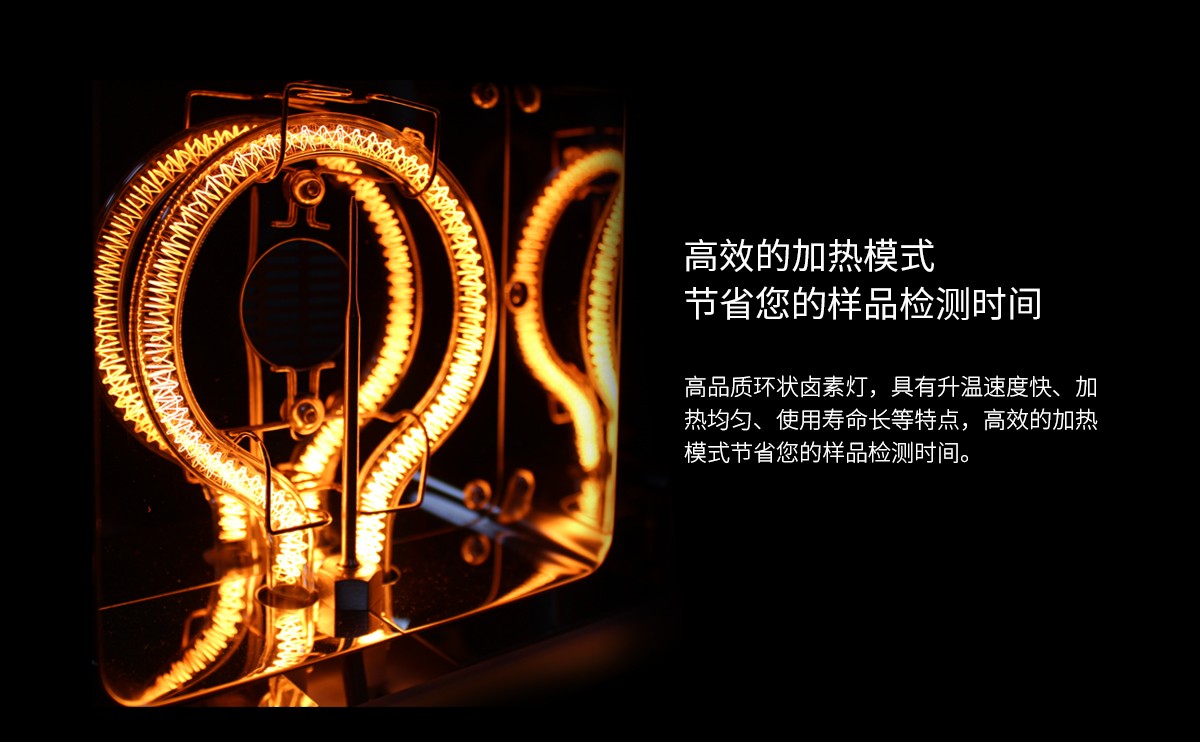
Loss-on-drying, also called the heated weight-loss method, is a physical method for determining moisture: heating drives off and dries out the water in the material. The traditional and most common approach is the oven method — the sample is dried in an oven, weighed on an electronic balance before and after, and the moisture value calculated by hand... Learn more about the loss-on-drying principle
Based on different user needs, we offer the following solutions:
Halogen moisture analyzers and far-infrared dark-field heating moisture analyzers
Choose the instrument that suits your needs, or contact VicoMeter customer service directly for advice.
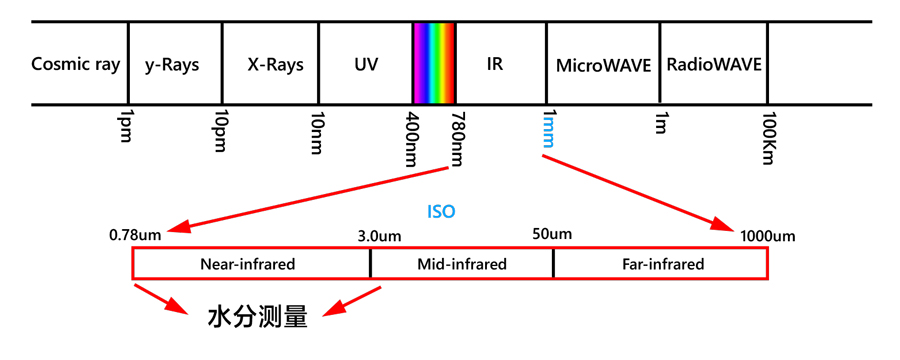
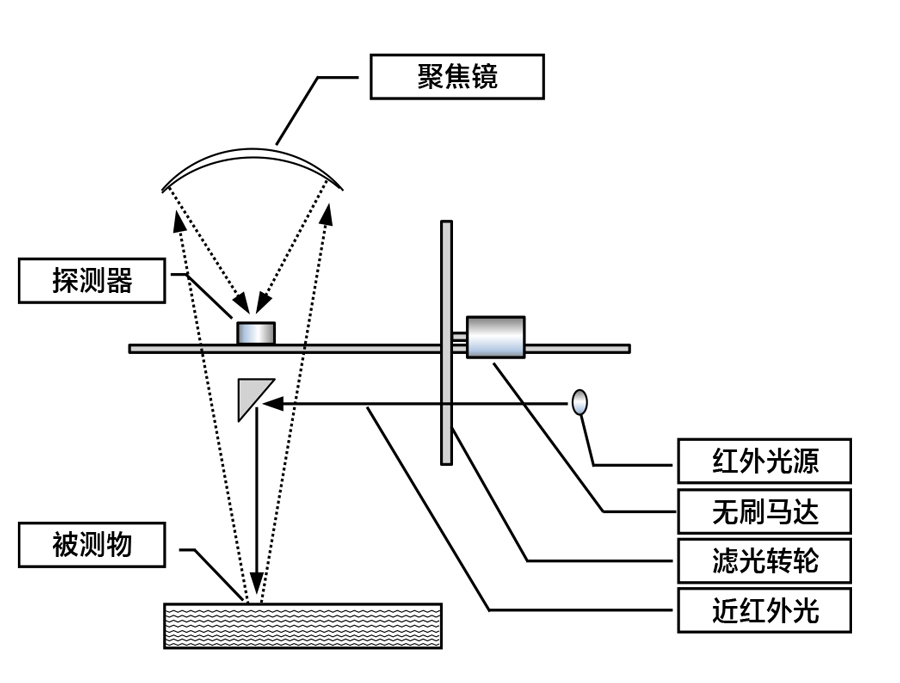
An online moisture analyzer is an instrument that continuously monitors product moisture during production and displays it in real time. In the wood industry, microwave and infrared methods are the two main solutions. Online moisture analyzers are also a fast moisture detection solution; unlike portable moisture analyzers, they can be installed directly at the work site for real-time monitoring of material moisture. Enterprises can analyze historical data to improve production processes, and can also use the moisture alarm function to quickly handle on-site moisture exceedances, helping production run stably and playing a very important role in enterprise production activities...Learn More About the Principle of Online Moisture Analyzers
Based on different user needs, we offer the following solutions:
NIR Online Moisture Meter
Online Microwave Moisture Analyzer
Choose the instrument that suits your needs, or contact VicoMeter customer service directly for advice.
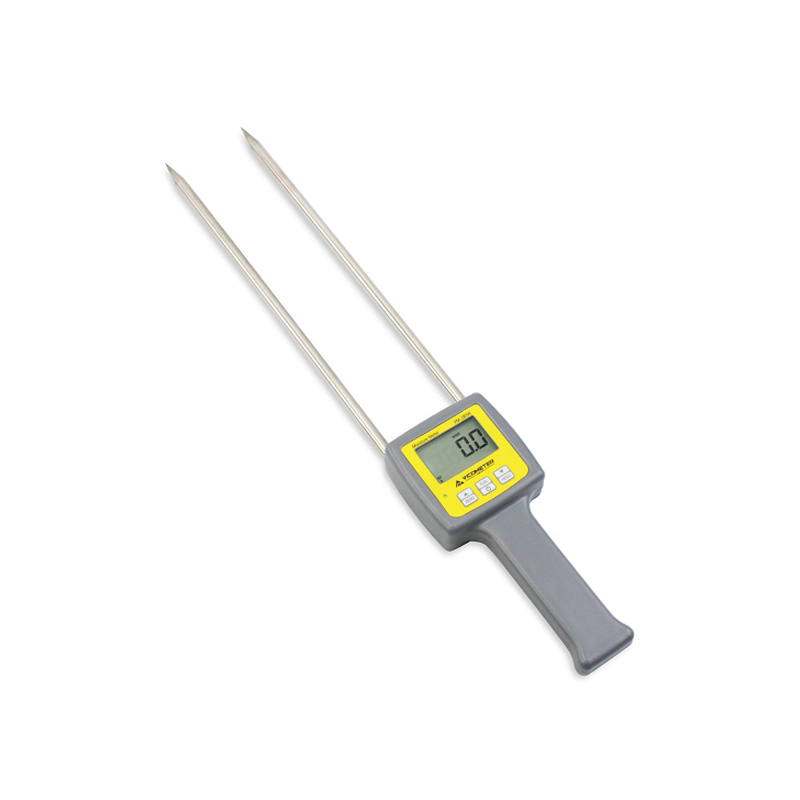
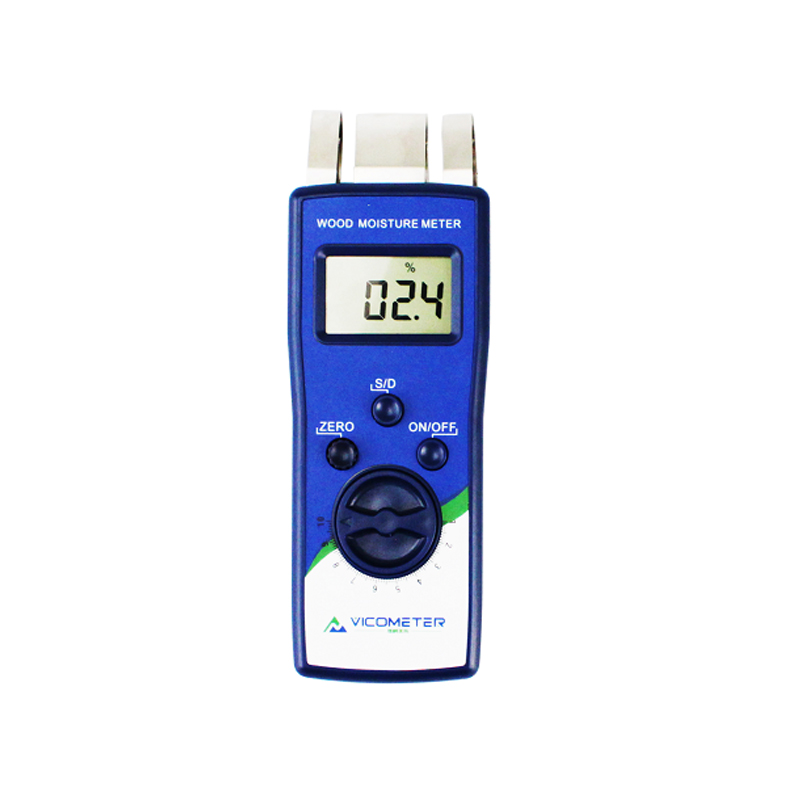
A portable moisture analyzer is essentially an instrument for rapidly measuring material moisture. Its overall accuracy is not as high as that of a laboratory moisture analyzer, but it is more reliable and accurate than the touch and experience of a “veteran craftsman”. A calibrated portable moisture analyzer can quickly measure the moisture content of samples on site; if the moisture content of wood material is detected to exceed the warning threshold, the sample is sent to a professional laboratory for analysis and confirmation with a laboratory moisture analyzer. Thanks to their portability and fast testing, portable moisture analyzers are widely used in the wood industry for incoming material inspection, production sites, spot checks, and other scenarios.
Using the resistive-capacitive method, the sensor rapidly displays dew point/humidity in full gas contact. It mounts on lines or travels to the field—no consumables—covering storage/transport ambient gases and process gases/equipment to catch problems early.
View Details
Hot Products
Recently Viewed Products




Copyright © Jiangsu Victor Instrument Meter Co., Ltd. All rights reserved | Sitemap | Technical Support: VicoMeter Operations Center