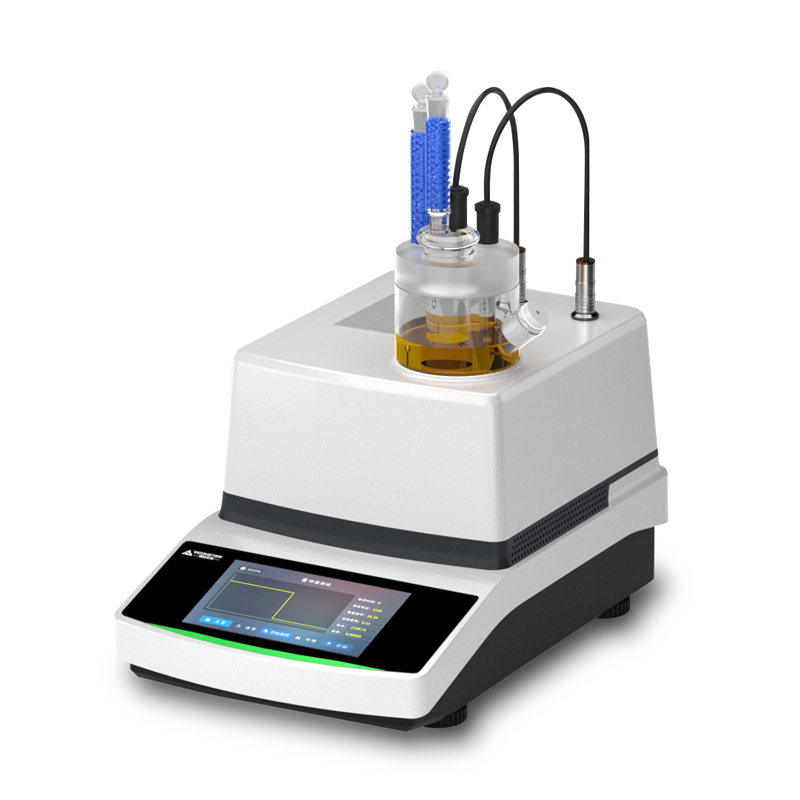
Moisture is an essential component of food and a key factor in food processing. Moisture content, distribution and state greatly affect a food's structure, appearance, texture, flavor and freshness.
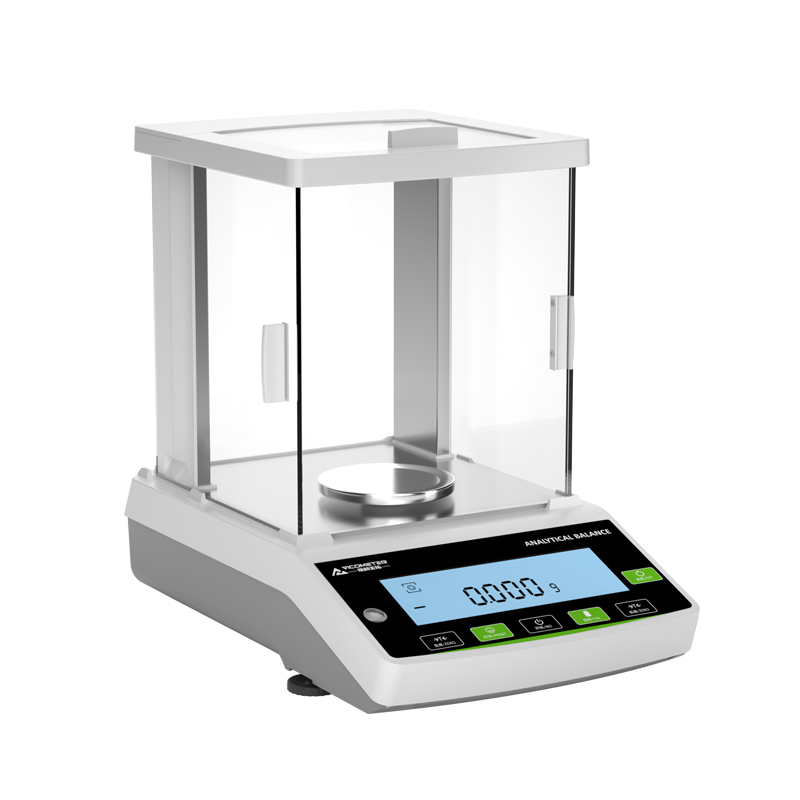
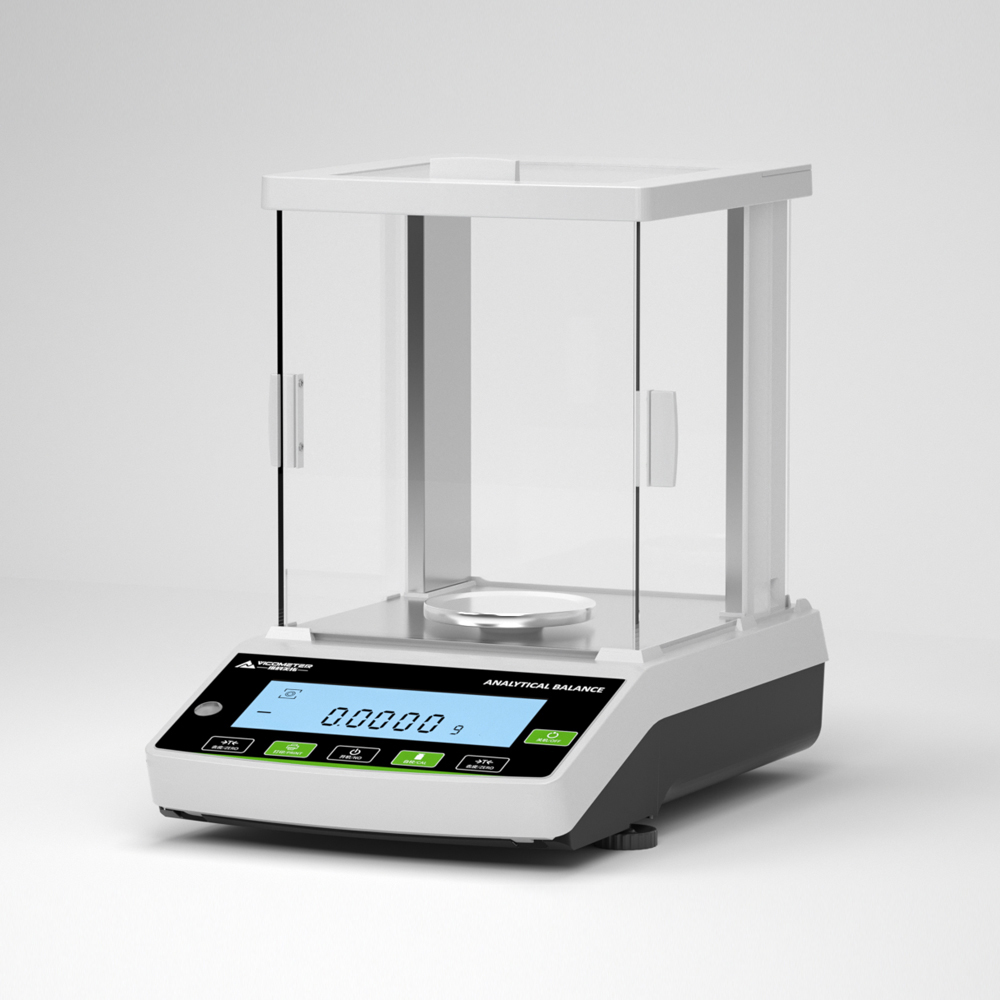
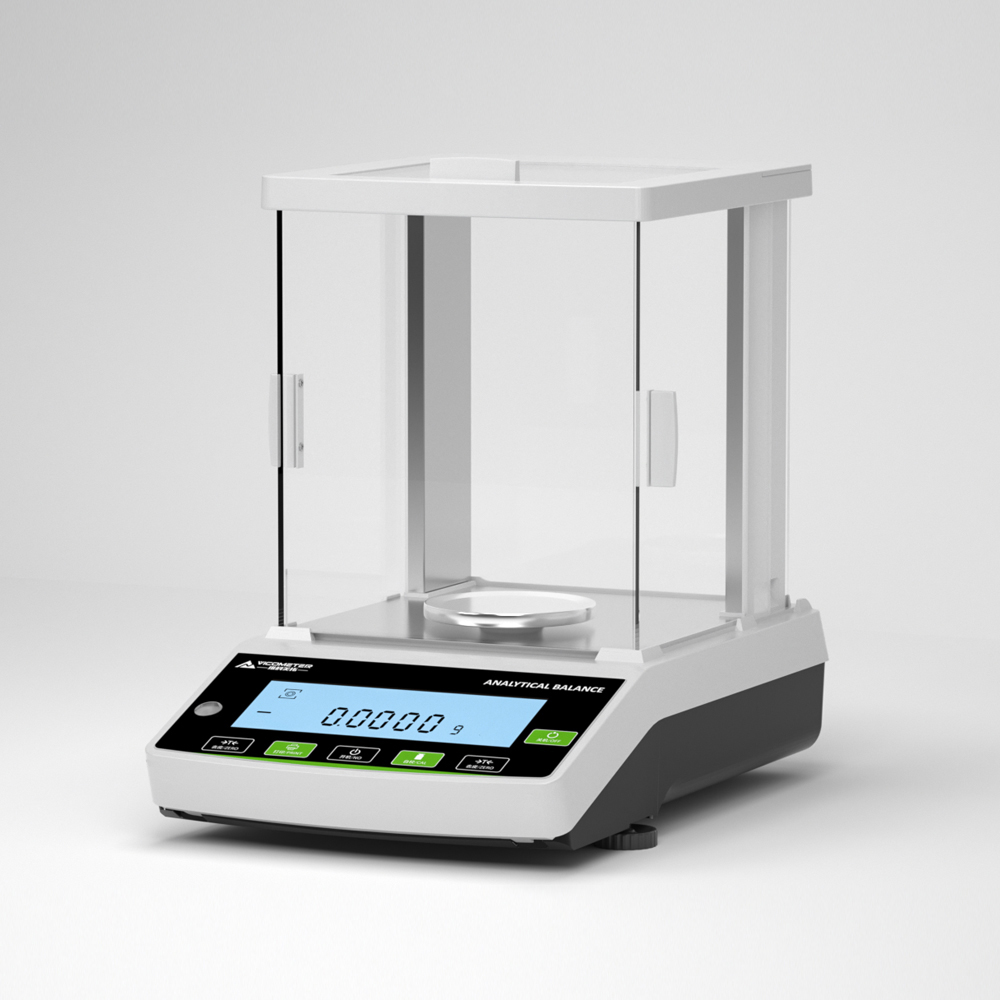
When purchasing an electronic balance, several key indicators can help you find the right product for your needs.
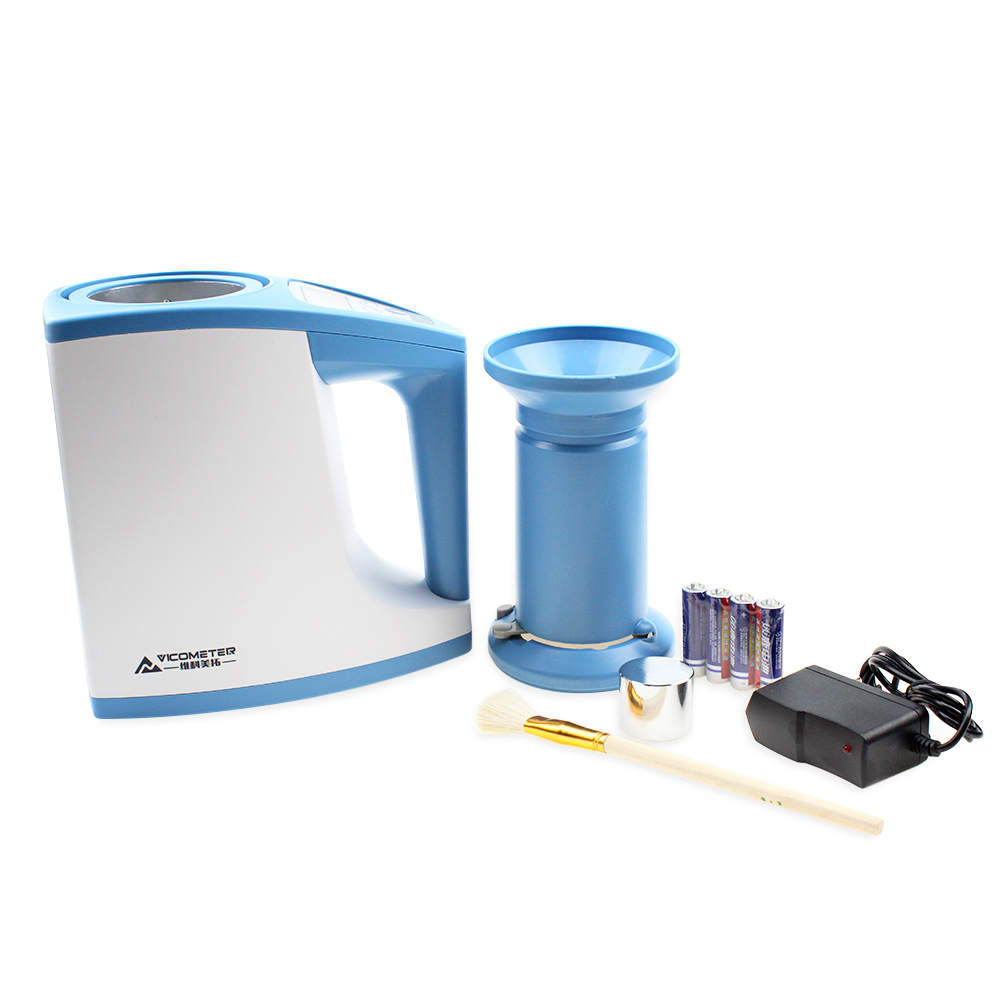
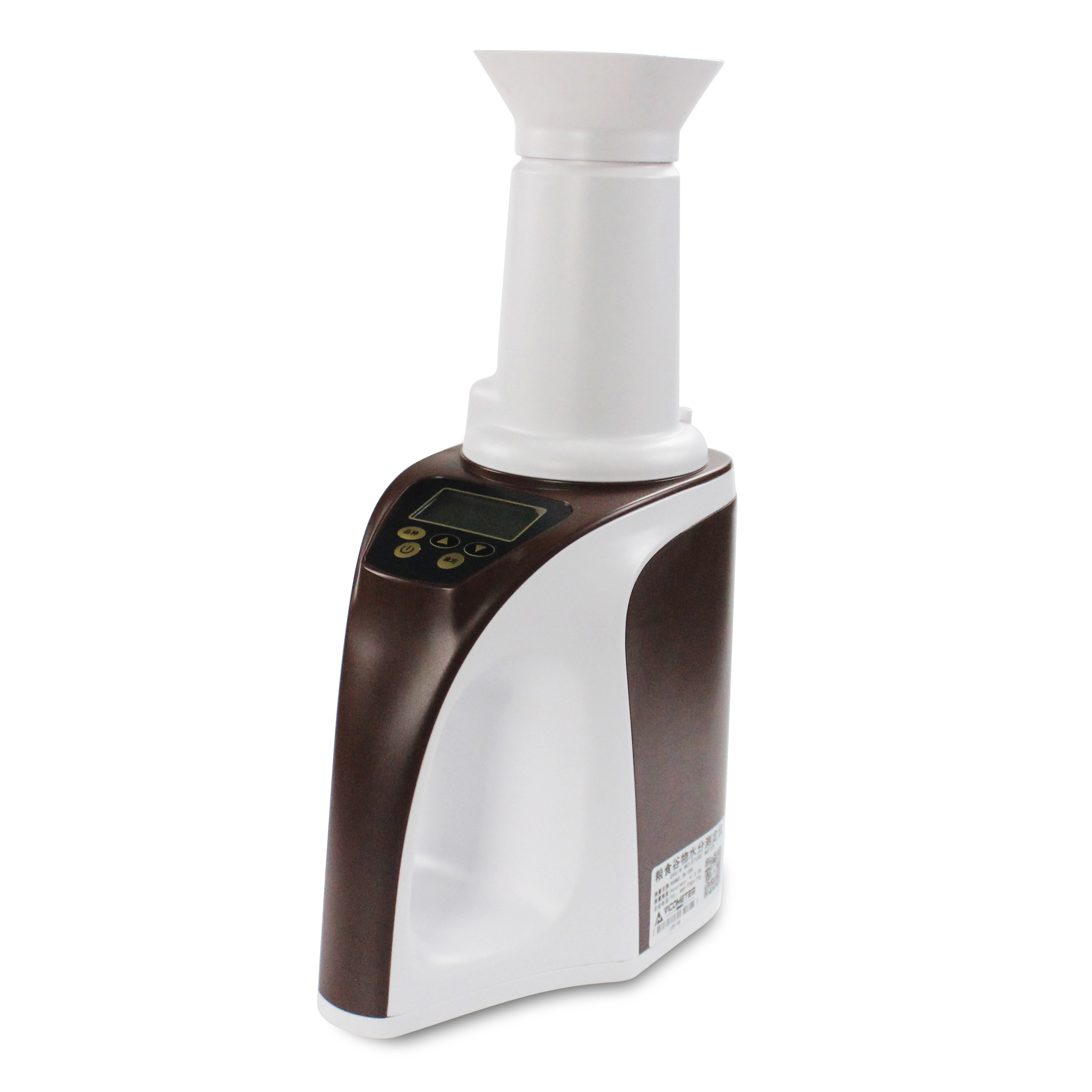
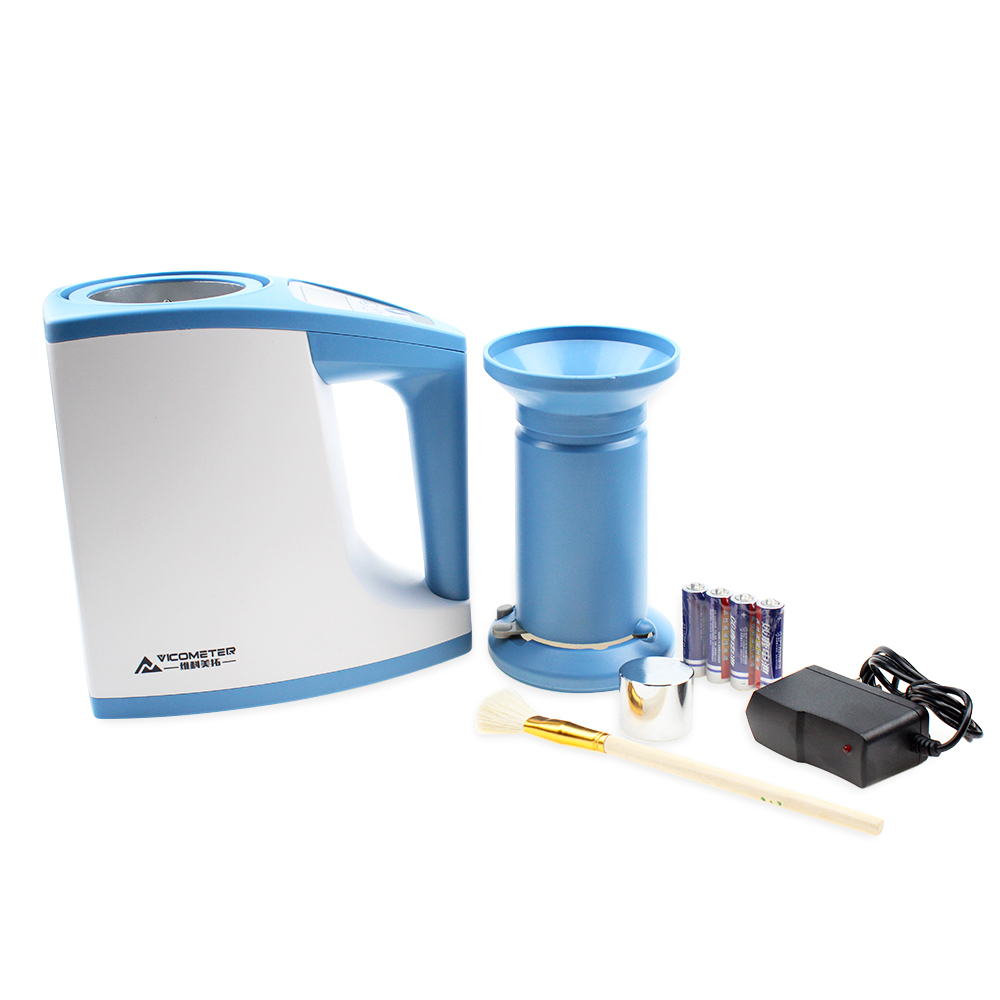
Grain moisture testing matters greatly for grain procurement, processing, storage and transport. In China, imperfect testing methods cause tens of billions of jin of grain to mold and spoil each year in storage and transport due to excessive moisture—an enormous loss.
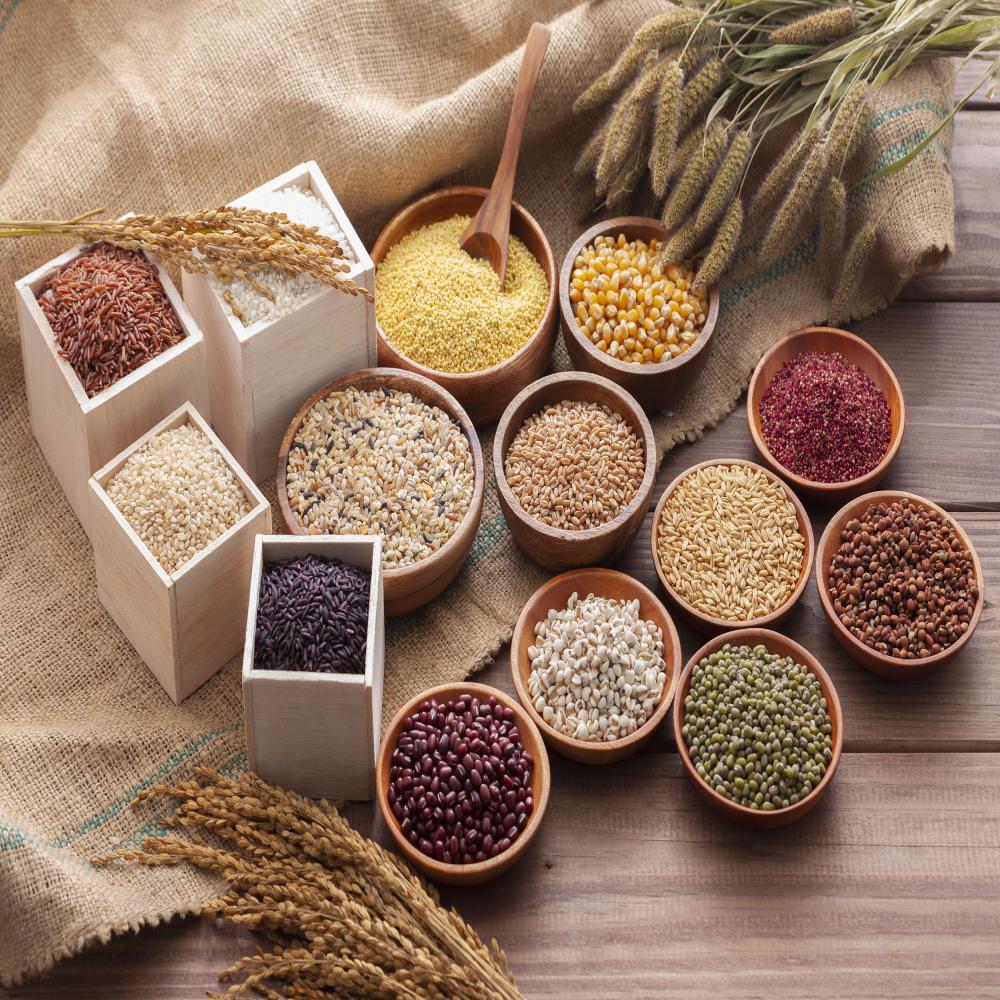
Food is the people's top priority; everyone eats three meals a day. Amid today's changing circumstances, food security has again become a topic of discussion. So which grain crops can we eat?
Water content determination is vital for safe storage, processing, purchasing, sales, and allocation of grain and oilseeds; normal moisture stays within a set range.
Many precautions apply when using a moisture analyzer for grain inspection, including the instrument's placement environment, calibration, temperature-difference adjustment, preparation of test samples and natural pouring. Only strict adherence to operating procedures ensures accurate results.
Electronic balances are susceptible to ambient humidity, temperature, vibration, electromagnetic fields, air pressure, and light. The indication error under specified conditions is the basic error; errors from use outside specified conditions
Electronic balances use strain-gauge, capacitive, or electromagnetic force compensation sensors. Strain-gauge sensors are simple and cheap but limited in accuracy; capacitive sensors weigh fast at good value but likewise fall short; electromagnetic compensation balances are characterized by weighing
Recently Viewed Products
Copyright © Jiangsu Victor Instrument Meter Co., Ltd. All rights reserved | Sitemap | Technical Support: VicoMeter Operations Center