HDT & Vicat Softening Point Tester
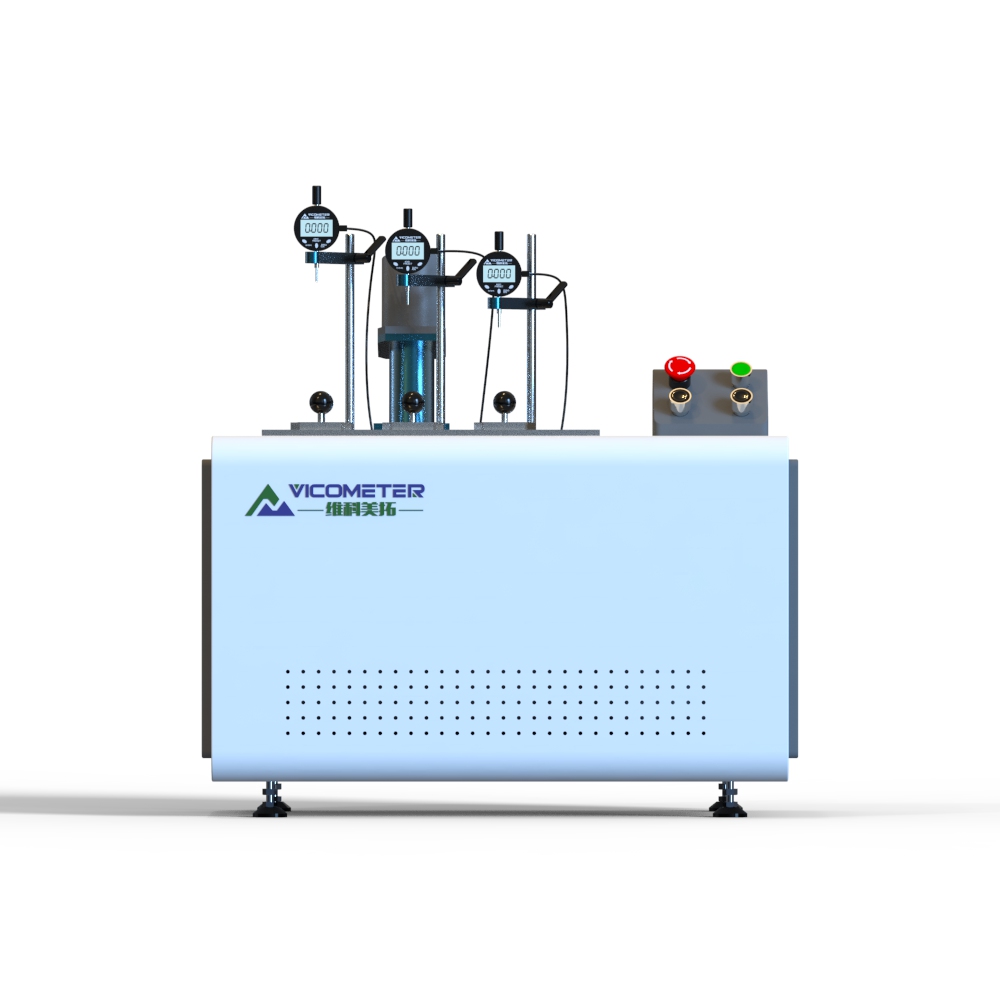
The HDT/Vicat softening point temperature tester, referred to as HDT/Vicat, is also called a heat deflection temperature tester, Vicat softening point temperature tester, HDT/Vicat tester, or softening point tester. It is mainly used to measure heat deflection and Vicat softening point of non-metallic materials (such as plastics, rubber, nylon, and electrical insulating materials). It is an ideal testing tool for chemical enterprises, scientific research organizations, colleges, and universities.
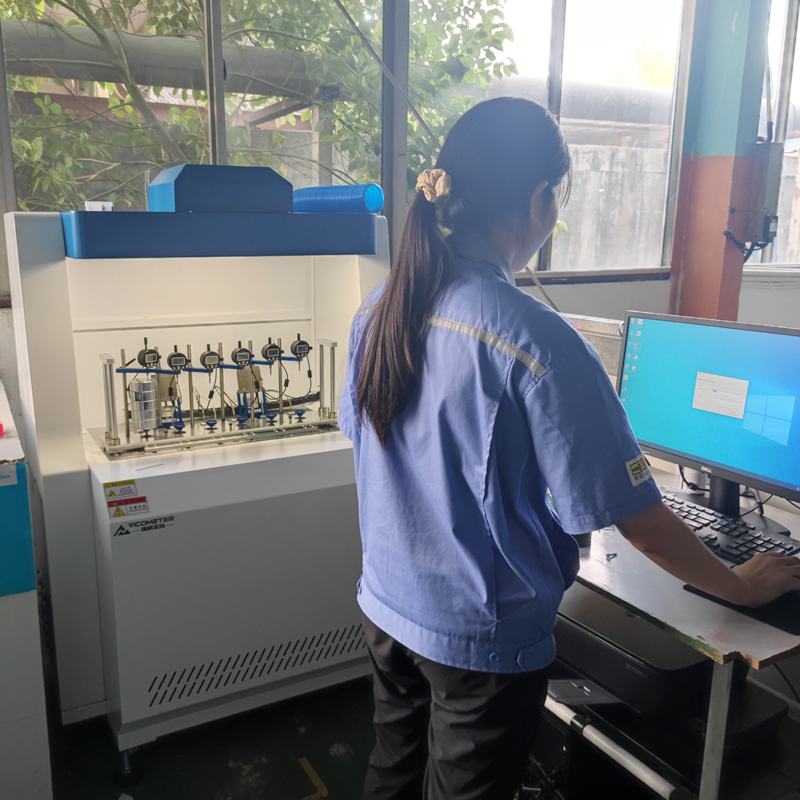
HDT & Vicat Softening Point Tester
(Click image to enlarge)
The HDT/Vicat softening point temperature tester, abbreviated as HDT/Vicat, is also called a heat deflection temperature tester, Vicat softening point temperature tester, HDT/Vicat tester, softening point tester, etc.
The HDT/Vicat softening point temperature tester is designed and manufactured in accordance with GB/T 1633 "Determination of softening temperature (VST) of thermoplastics," GB/T 1634 "Plastics — Determination of temperature of deflection under load," GB 8802 "Determination of Vicat softening temperature of unplasticized polyvinyl chloride (PVC-U) pipes and fittings," as well as ISO 75, ISO 306, ISO 2507, ASTM D1525, and ASTM D648. It is widely used for determining the heat deflection temperature (HDT) and Vicat softening temperature (VST) of thermoplastics, hard rubber, and long-fiber reinforced composites. It is an ideal testing tool for chemical enterprises, research institutions, and universities.
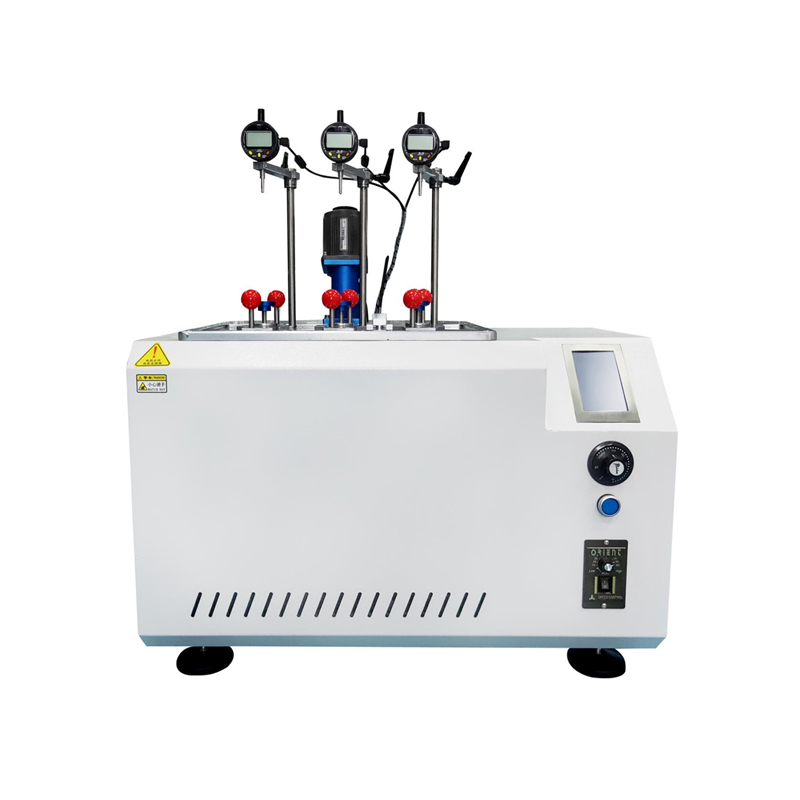
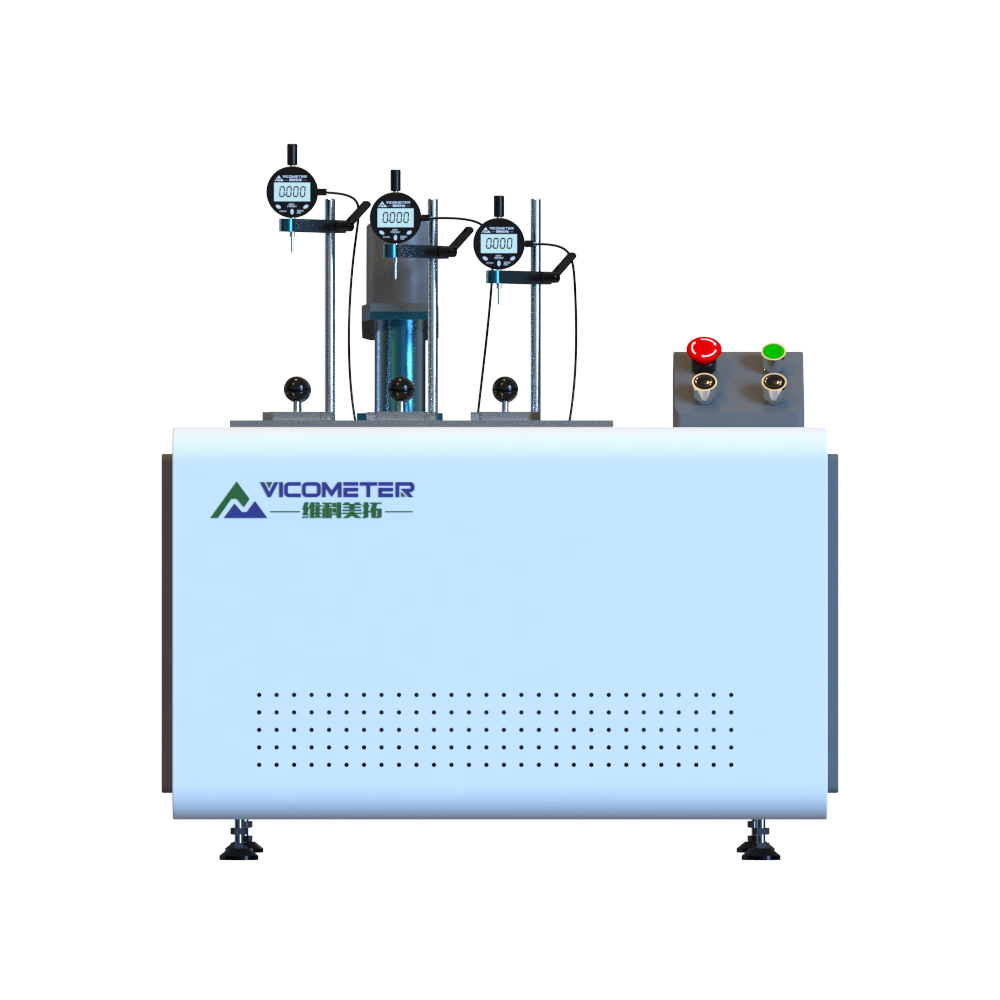
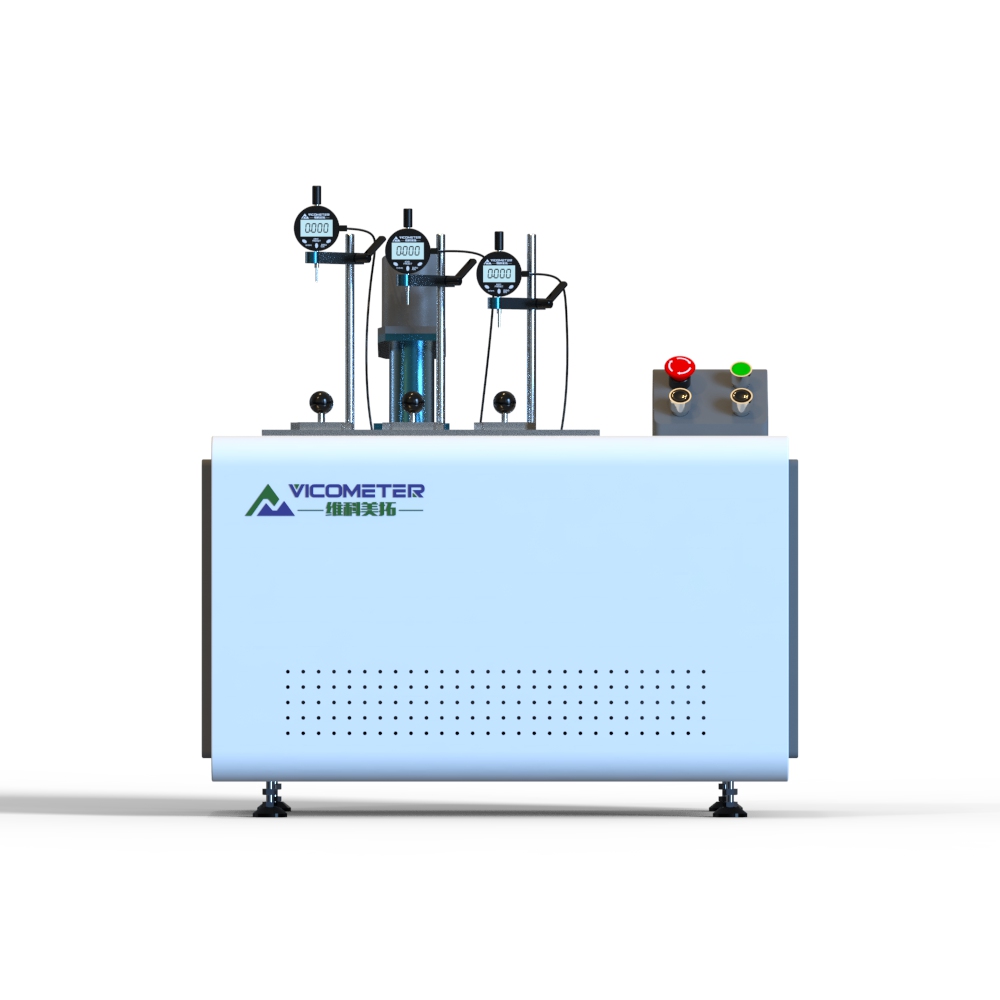
WKT-VST300 Three-Station Touchscreen HDT/Vicat Softening Point Temperature Tester
Heat deflection temperature (HDT): The temperature at which a specified deflection is reached when a polymer or macromolecular material is subjected to a certain load and heated at a certain rate. It is a measure of the heat resistance of polymers or macromolecular materials.
Vicat softening temperature (VST): The temperature at which a 1 mm² indenting needle penetrates 1 mm into a specimen of engineering plastics, general-purpose plastics, or other polymers in a liquid heat-transfer medium under a specified load and a specified constant heating rate.
The HDT/Vicat softening point temperature tester covers plastic product testing fields including: resin raw materials, plastic films, plastic pipes, plastic building materials, plastic containers, plastic housings, plastic toys, wire & cable sheath insulation, plastic profiles, and more.
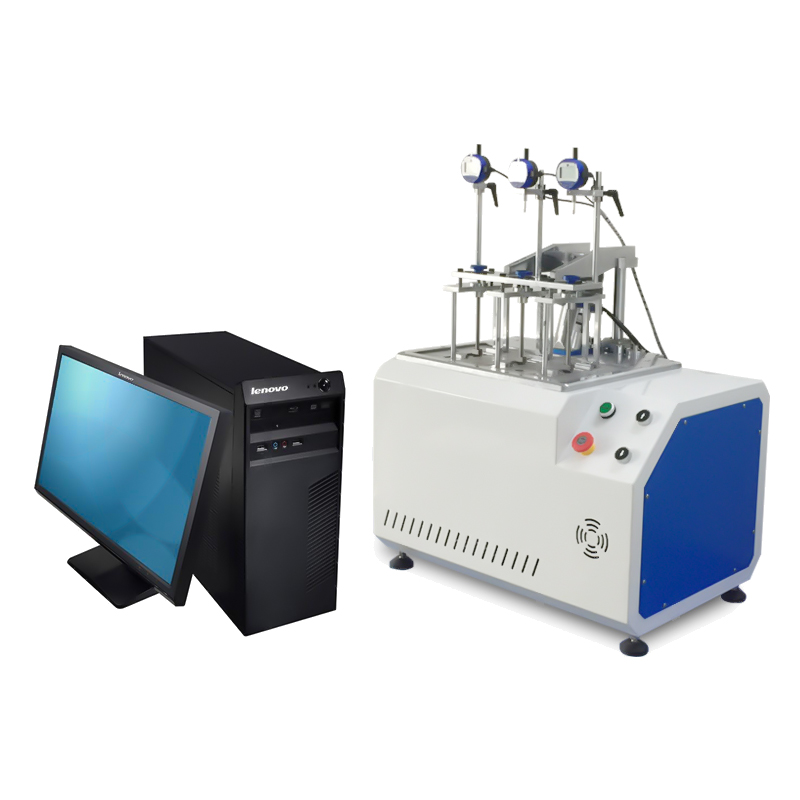
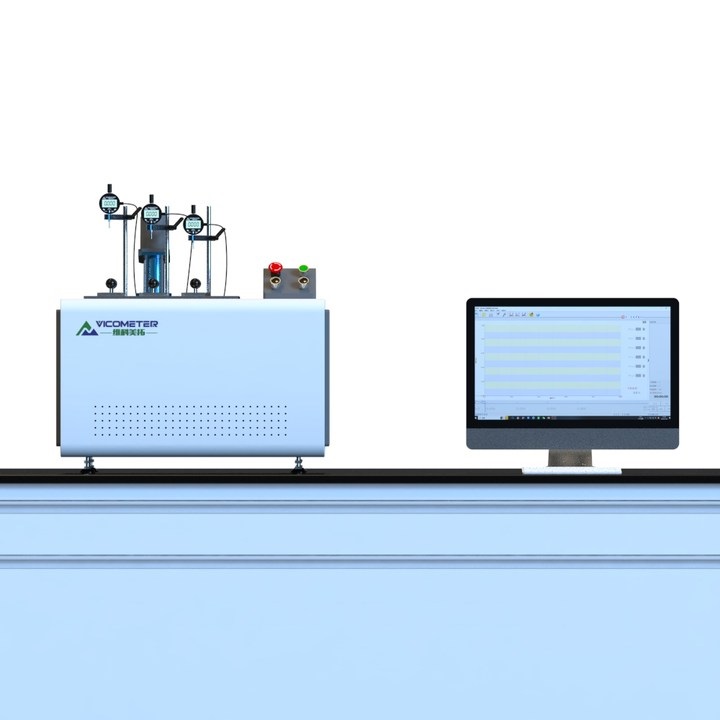
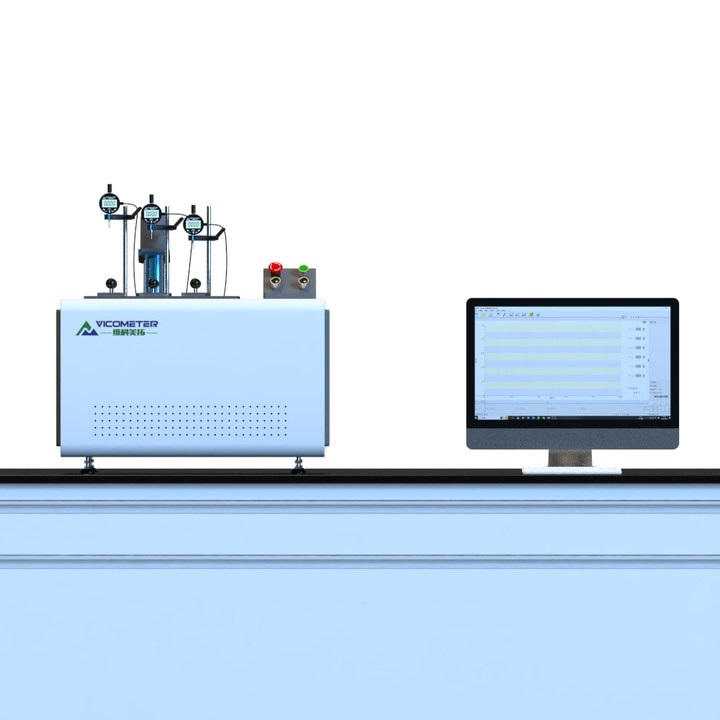
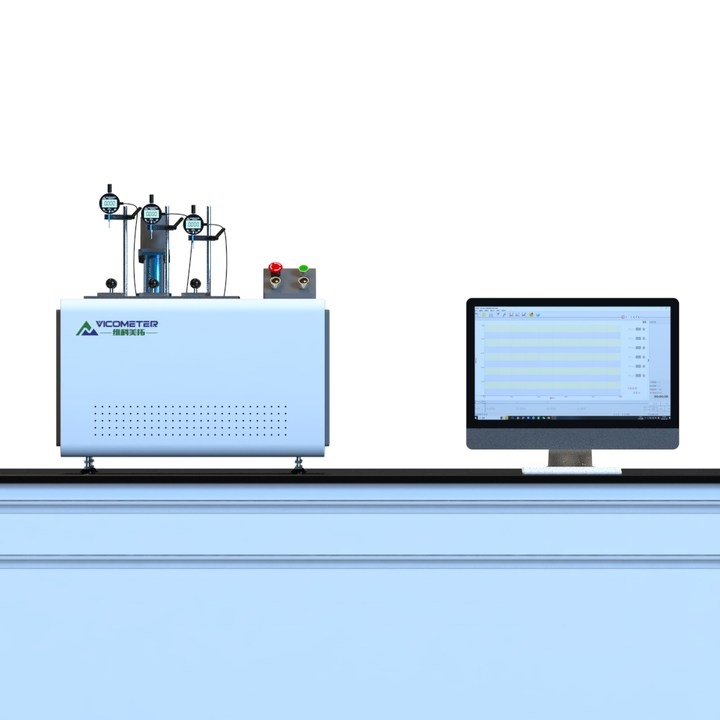
WKT-VST300 Three-Station PC Version HDT/Vicat Softening Point Temperature Tester
The test methods for heat deflection temperature and Vicat softening point differ significantly: HDT testing measures the temperature at which a specimen bends by a specified amount, while Vicat uses a needle-shaped probe to measure the temperature at which it penetrates the specimen to a specified depth. Details can be found in polymer physics or polymer physics experiment textbooks, but the best way is to operate the tests yourself.
1.82MPa and 0.45MPa are the loads for HDT testing; refer to the HDT test standards.
Generally, engineering plastics such as nylon, PET, and PBT are tested at 1.82MPa, while materials with low heat deflection such as PP, PE, and PS are commonly tested at 0.45MPa. For the same plastic, such as nylon, the temperature measured at 1.82MPa is generally lower than at 0.45MPa — this is even more pronounced for pressure-sensitive materials. We once tested recycled PPS: the same batch of specimens showed an HDT of just over 200°C at 1.82MPa, but reached 260-270°C at 0.45MPa — which is why some manufacturers test heat-resistant materials at 0.45MPa to show customers. HDT and Vicat can be measured on the same instrument, differing only in indenter and load: the Vicat indenter is a needle with an area of 1 mm², while the HDT indenter is an axe-shaped head with a certain arc.
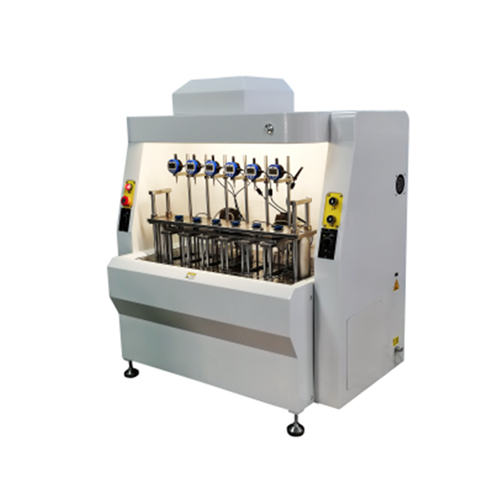
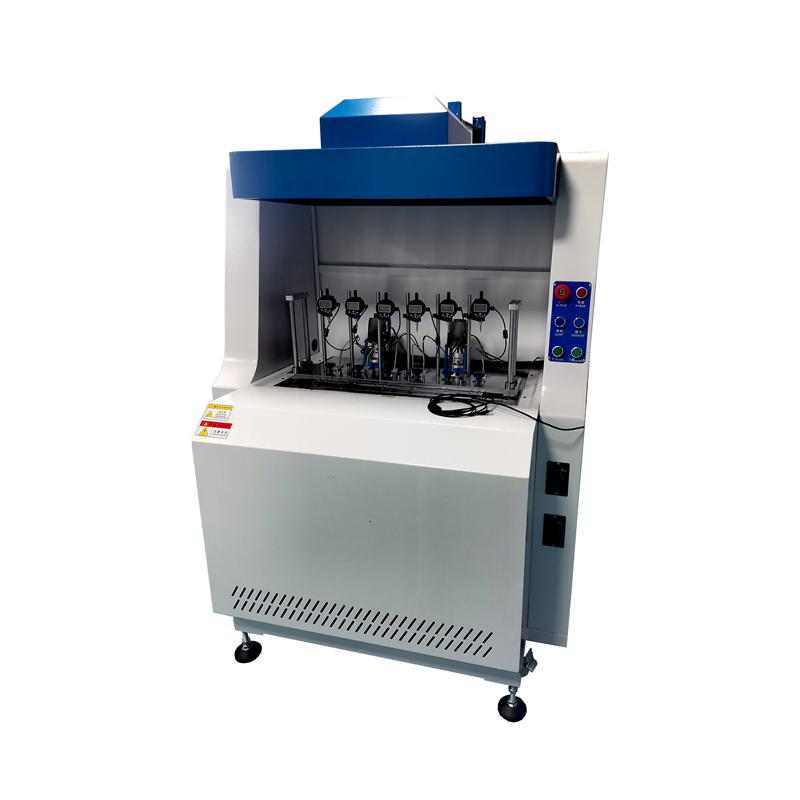
WKT-VST600C Fully Automatic Refrigerated HDT/Vicat Softening Point Temperature Tester
Softening point: The temperature at which a substance softens, mainly referring to the temperature at which an amorphous polymer begins to soften. It is related not only to the polymer's structure but also to its molecular weight. There are many determination methods, and different methods often yield inconsistent results. The more commonly used are the Vicat method and the ring-and-ball method.
Heat deflection temperature: The temperature at which a specimen deforms (or softens) to a specified amount under a given load.
Heat deflection temperature: Taking a standard specimen as an example, the temperature at which the specimen deflection changes by 0.21mm under a specified heating rate and load.
Vicat softening point: The temperature at which the indenter penetrates 1mm into a standard specimen under a specified heating rate and load. There are two standards each for heating rate and load.
Related Products
Recently Viewed Products




Copyright © Jiangsu Victor Instrument Meter Co., Ltd. All rights reserved | Sitemap | Technical Support: VicoMeter Operations Center