Application of Halogen Moisture Analyzer in PVC Resin Production
The halogen moisture analyzer method was used to determine the small amount of moisture contained in PVC resin and was compared with the commonly used oven method. It is pointed out that the oven method is time-consuming and produces fluctuating results, while the halogen moisture analyzer method can not only improve the accuracy of measurement results but also effectively shorten the measurement time, which has guiding significance for PVC resin production.

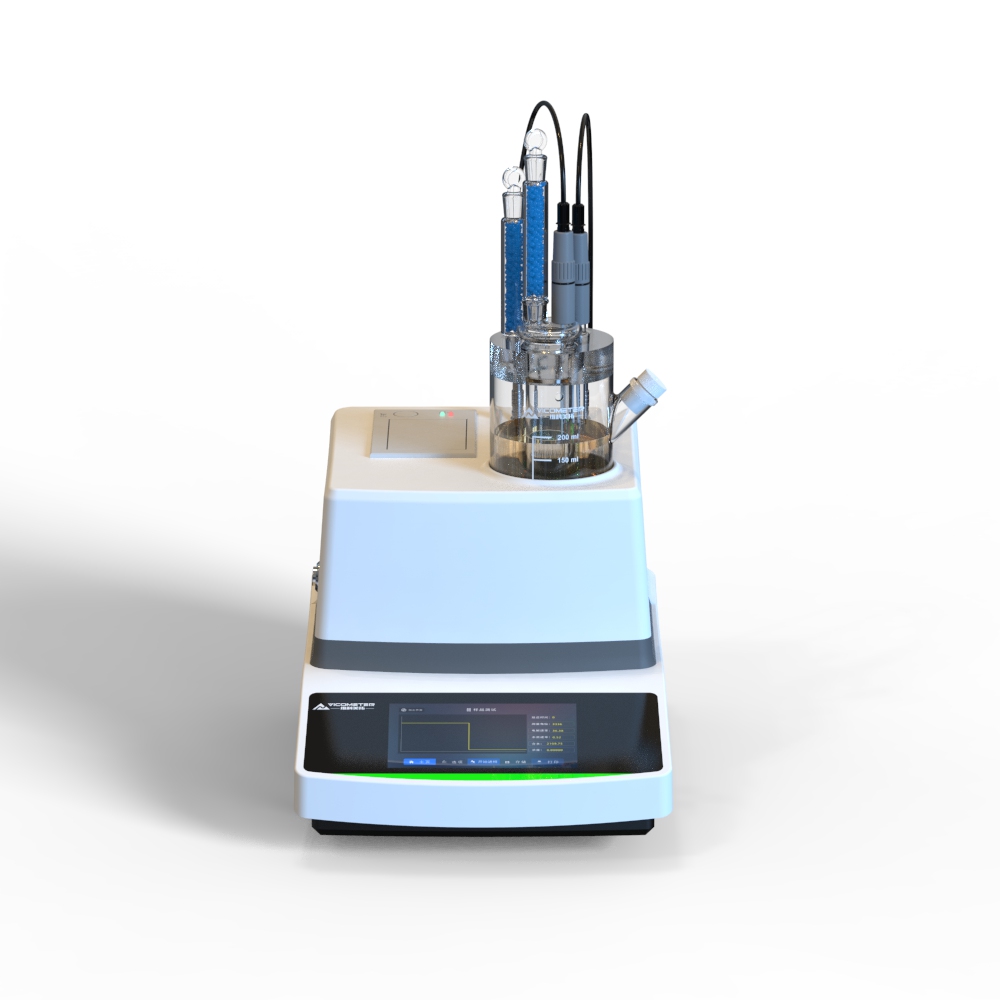
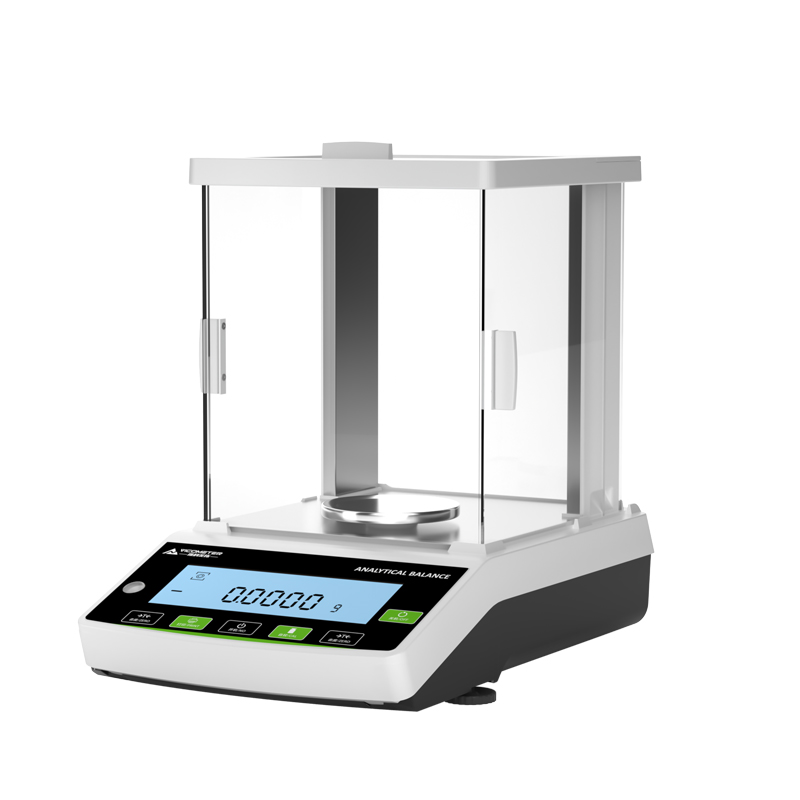
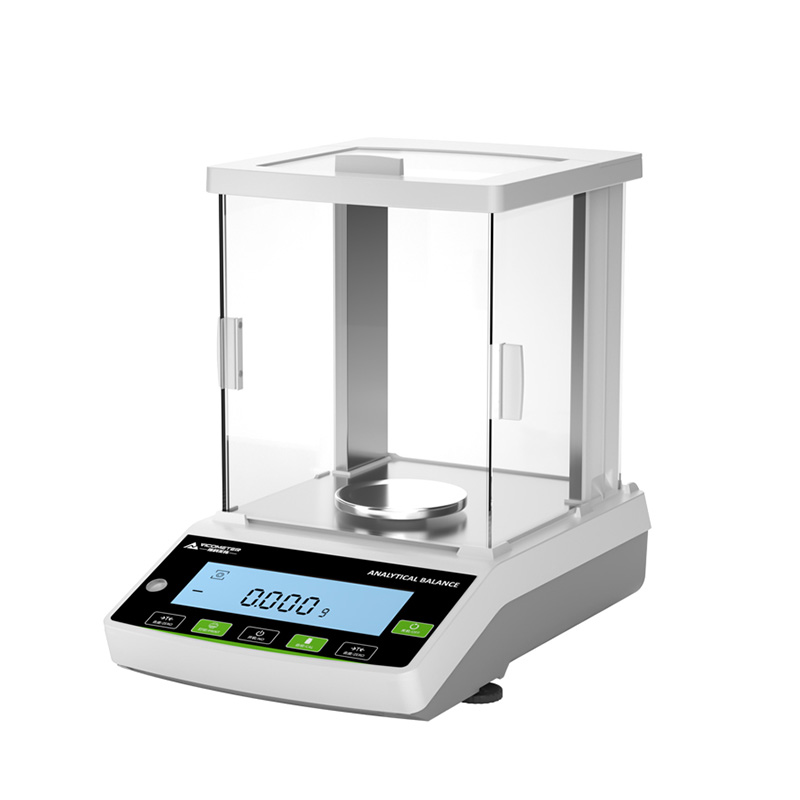
VM-E01 Halogen Moisture Analyzer(0.1mg/0.0001g)
The halogen moisture analyzer method was used to determine the small amount of moisture contained in PVC resin and was compared with the commonly used oven method. It is pointed out that the oven method is time-consuming and produces fluctuating results, while the halogen moisture analyzer method can not only improve the accuracy of measurement results but also effectively shorten the measurement time, which has guiding significance for PVC resin production.
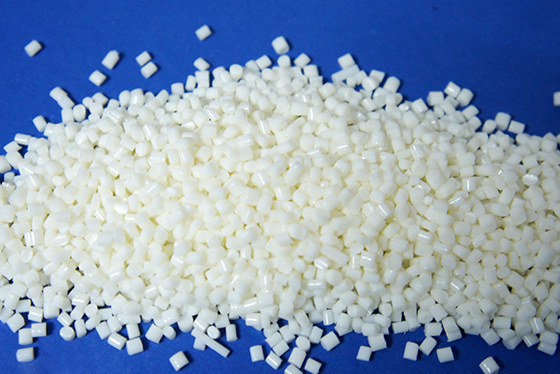
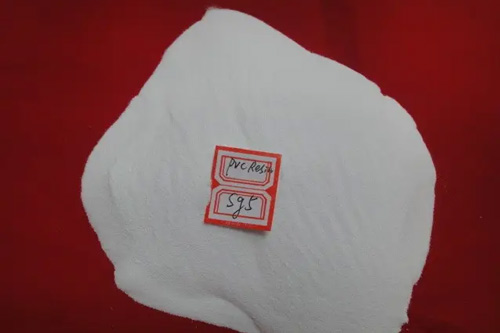
In PVC production, the specification for SG5 resin is a moisture mass fraction of ≤0.4%. Determining resin moisture with the oven method is time-consuming (about 90 min for weighing and drying), whereas the VM-E50 halogen moisture analyzer delivers a result in only 3.75 min. To detect resin moisture quickly and accurately, the author improved the analysis method and used the VM-E01 halogen moisture analyzer for SG5 PVC resin.
The halogen moisture analyzer works on the loss-on-drying principle: the heating system rapidly heats the sample so the moisture evaporates completely in the shortest possible time, allowing moisture content to be measured very quickly. During drying, the analyzer continuously monitors and displays the moisture lost in real time; when the drying program finishes, the final moisture value is locked and displayed.
The main instrument is the VM-E50 rapid halogen moisture analyzer, with a measurement range of 0–100% and an accuracy of 0.01%. An introductory video of the VM-E50 is shown below.
① Adjust the level bubble to the center so the instrument is level, connect the power supply, switch on and preheat for 30 min.
② Create a moisture measurement method for PVC resin: heating program: fast; drying temperature: 105℃; switch-off mode: automatic (20 s, i.e., the endpoint is reached when the moisture change within 20 s does not exceed 1 mg and the instrument stops automatically). The instrument saves the program automatically.
③ Place a clean pan and press tare to zero the instrument.
④ Weigh about 3 g of SG5 PVC resin into the pan to ±0.1 g and spread it evenly.
⑤ Press the start key; after a few minutes the instrument stops automatically and locks the displayed result.
The oven method uses an electric heater, typically an electric heating tube with the heating wire enclosed inside, slowing oxidation and extending service life. Heat is transferred to the steel tube, increasing the heat-conduction area. A temperature controller inside the oven controls and displays the temperature; when the oven temperature falls below the set point, the controller drives the heater to heat continuously or intermittently, keeping the temperature well regulated. A fan circulates the air: humid air flows over the heater and back into the oven, then is drawn by the fan and blown over the heating tube again. The hot air heats the moist sample and the moisture evaporates; this cycle repeats continuously.
① Weigh about 5 g of SG5 PVC resin into a weighing bottle to ±0.0002 g and spread it evenly;
② Place the weighing bottle in an electric forced-air drying oven at 110℃ for 1 h.
③ Remove the weighing bottle, cool to room temperature in a desiccator and weigh; repeat drying until constant weight (if not reached, return it to the oven).
④ Calculate the result (moisture content = [(G1 − G2)/(G1 − Gbottle)] × 100%; where Gbottle is the mass of the weighing bottle, g; G1 is the mass of weighing bottle + res in, g; G2 is the mass of weighing bottle + resin after drying, g.
The main instruments used in the oven method include an electric forced-air drying oven, a balance, a desiccator and weighing bottles.
(1) The moisture content of SG5 PVC resin was measured using the VM-E50 halogen moisture analyzer method and the oven method; results of 6 consecutive parallel measurements are shown in Table 1.
Table 1 Moisture results of parallel measurements by the halogen moisture analyzer method and the oven method
| No. | Halogen moisture analyzer method | Oven Method |
| 1 | 0.21 | 0.18 |
| 2 | 0.20 | 0.19 |
| 3 | 0.19 | 0.16 |
| 4 | 0.20 | 0.12 |
| 5 | 0.19 | 0.17 |
| 6 | 0.21 | 0.18 |
Table 1 shows: with the VM-E50 halogen moisture analyzer method, the mean of 6 parallel measurements was 0.20%, standard deviation 0.009, relative standard deviation 4.47%; with the oven method, the mean was 0.17%, standard deviation 0.025, relative standard deviation 15.02%.
Using a halogen moisture analyzer to determine PVC resin moisture reduces systematic error, effectively controls the relative standard deviation of test data and improves accuracy. The analyzer is simple to operate and reflects resin moisture quickly, effectively shortening analysis time and providing assurance for SG5 PVC resin production.
Related Products
Related Knowledge
Related Solutions
Recently Viewed Products




Copyright © Jiangsu Victor Instrument Meter Co., Ltd. All rights reserved | Sitemap | Technical Support: VicoMeter Operations Center