How to Measure Moisture Content in TPE Materials with a Halogen Moisture Analyzer
How do you measure moisture content in TPE (thermoplastic elastomer) with a halogen moisture analyzer? This is a question of great concern to TPE suppliers and their customers alike. This article provides a moisture determination solution for a typical TPE sample. You will learn how to measure the moisture content of TPE samples with a halogen moisture analyzer, as well as the operating procedure and best practices for the VM-E01 rapid halogen moisture analyzer.

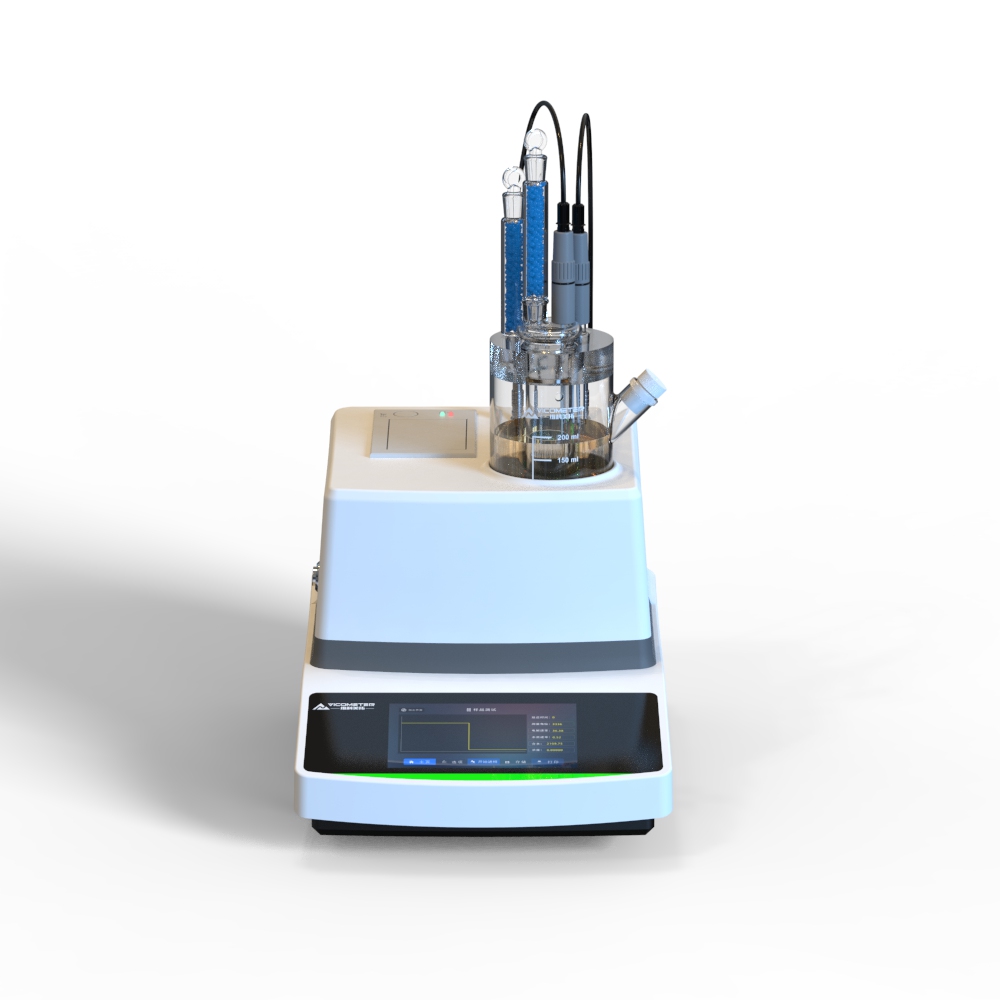
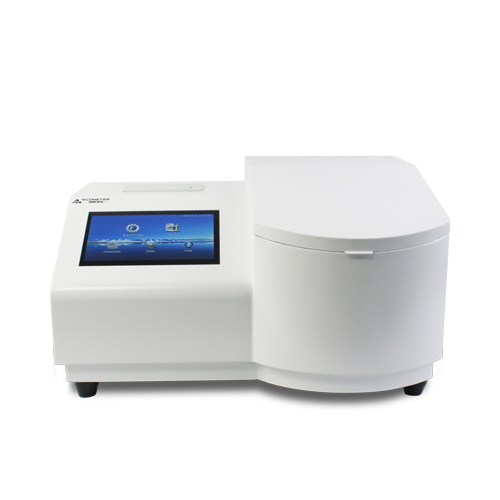
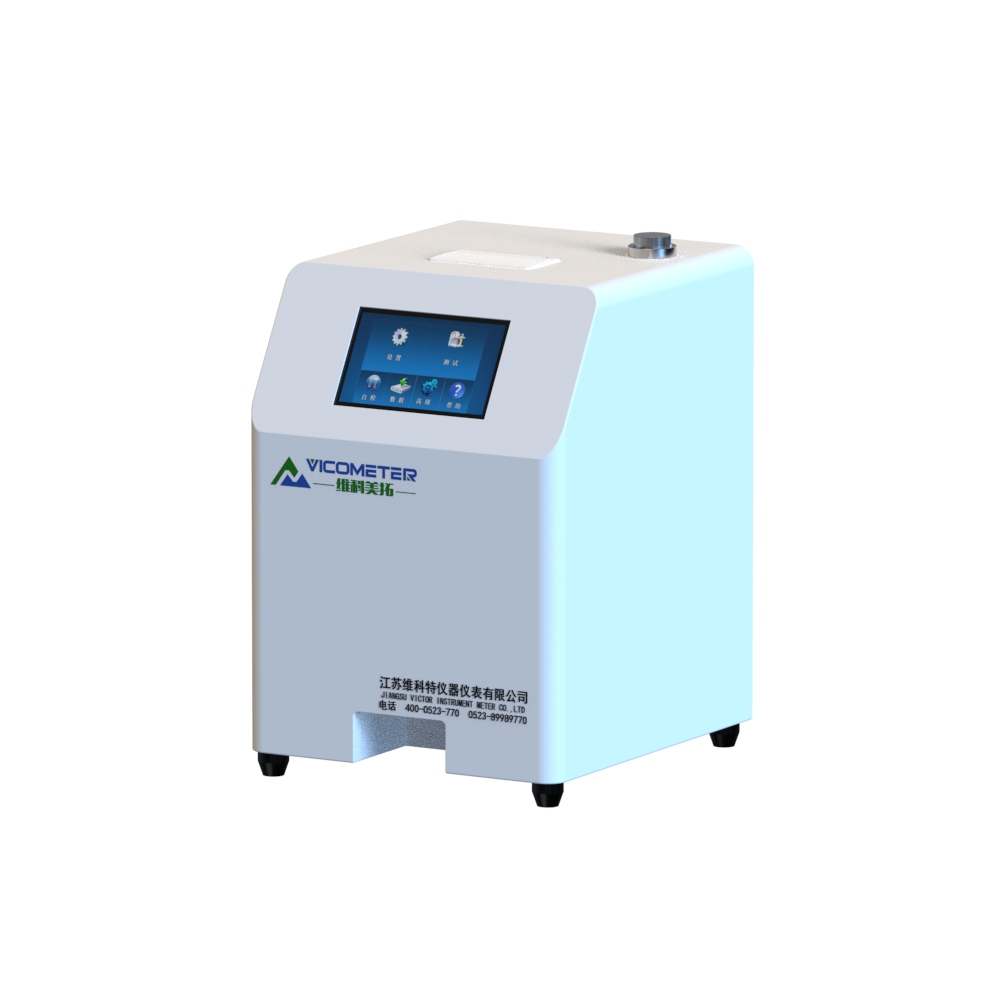
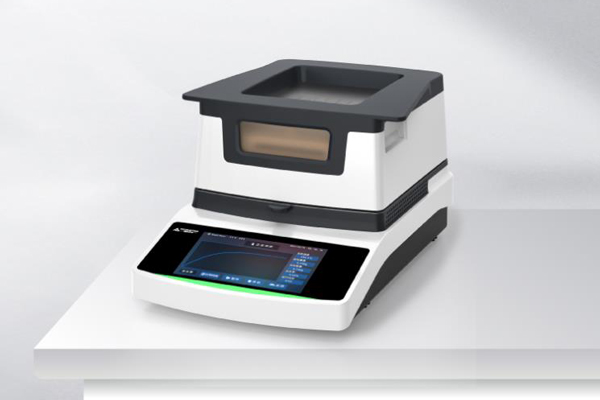
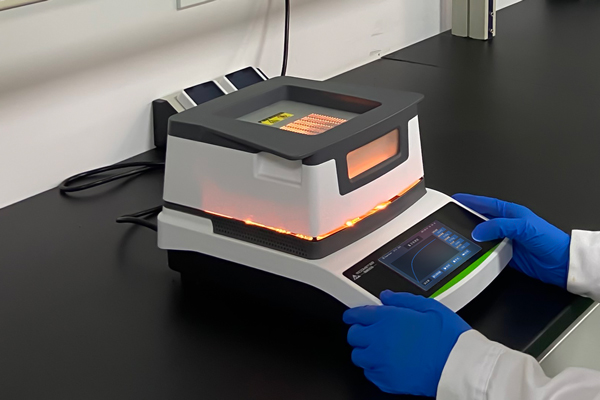
VM-E01 Halogen Moisture Analyzer(0.1mg/0.0001g)
Plastic part suppliers and their customers care about quality and fast production. Proper moisture in raw material ensures trouble-free compounding and molding, smooth surfaces, and ideal mechanical properties. The VicoMeter VM-E01 rapid halogen moisture analyzer is ideal for simple, accurate moisture measurement on the production floor.
Measuring moisture in plastics with a halogen moisture analyzer is a recognized ASTM method: D6980-12, "Standard Test Method for Determination of Moisture in Plastics by Loss in Weight".
VicoMeter is an expert in moisture testing, providing fast, targeted industry solutions. This article presents a moisture measurement solution for typical TPE (thermoplastic elastomer) samples: how to measure TPE moisture content with a halogen moisture analyzer, plus the operating procedure and best practices for the VM-E01 rapid halogen moisture analyzer.
Before learning how to measure TPE (thermoplastic elastomer) moisture with the VM-E01 halogen moisture analyzer and its operating procedures, you may also want to know the following:
Can a halogen moisture analyzer replace the oven method? Yes — seeCan Rapid Halogen Moisture Analyzers Replace the Oven Method?as discussed in that article.
How to choose a fast, accurate model? See"Rapid Halogen Moisture Analyzer Selection Guide"as discussed in that article.
Where to learn more about halogen moisture analyzers? See"Basic Knowledge of Rapid Halogen Moisture Analyzers"、"Explanation of Halogen Moisture Analyzer Technical Specifications"、《Halogen Moisture Analyzer》and other articles.
Other questions about measuring plastics? See the FAQ in"FAQ: Measuring Plastics with a Halogen Moisture Analyzer"as discussed in that article.

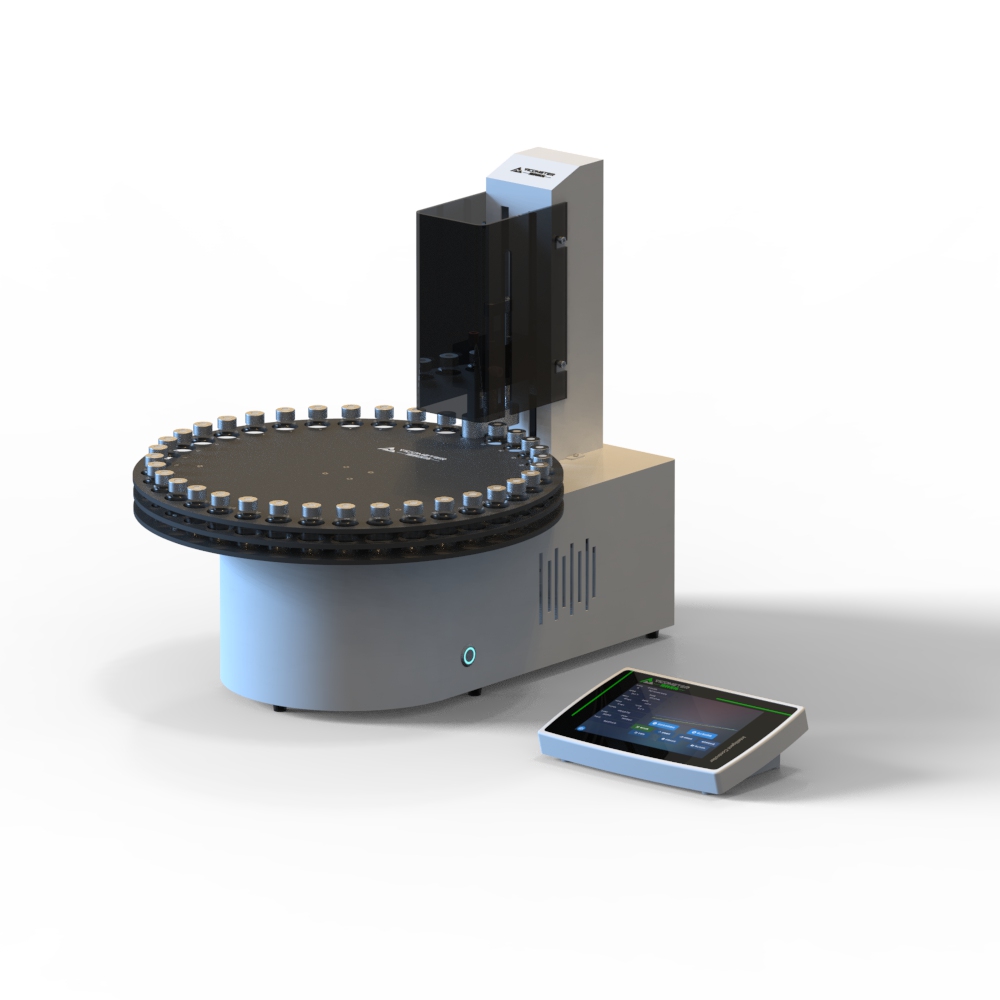
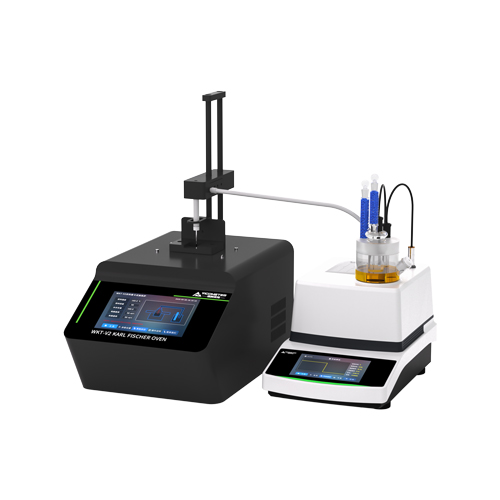
WKT-A9 Karl Fischer Trace Moisture Analyzer Coulometric
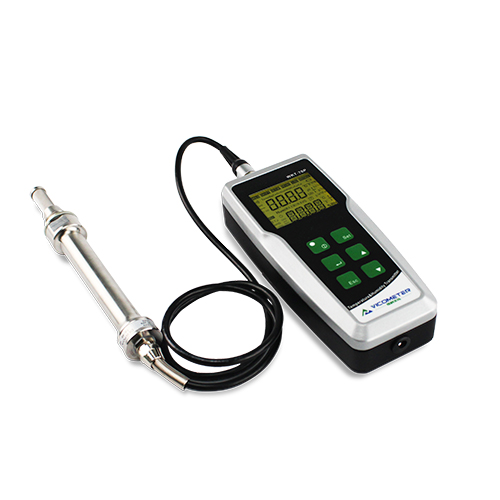
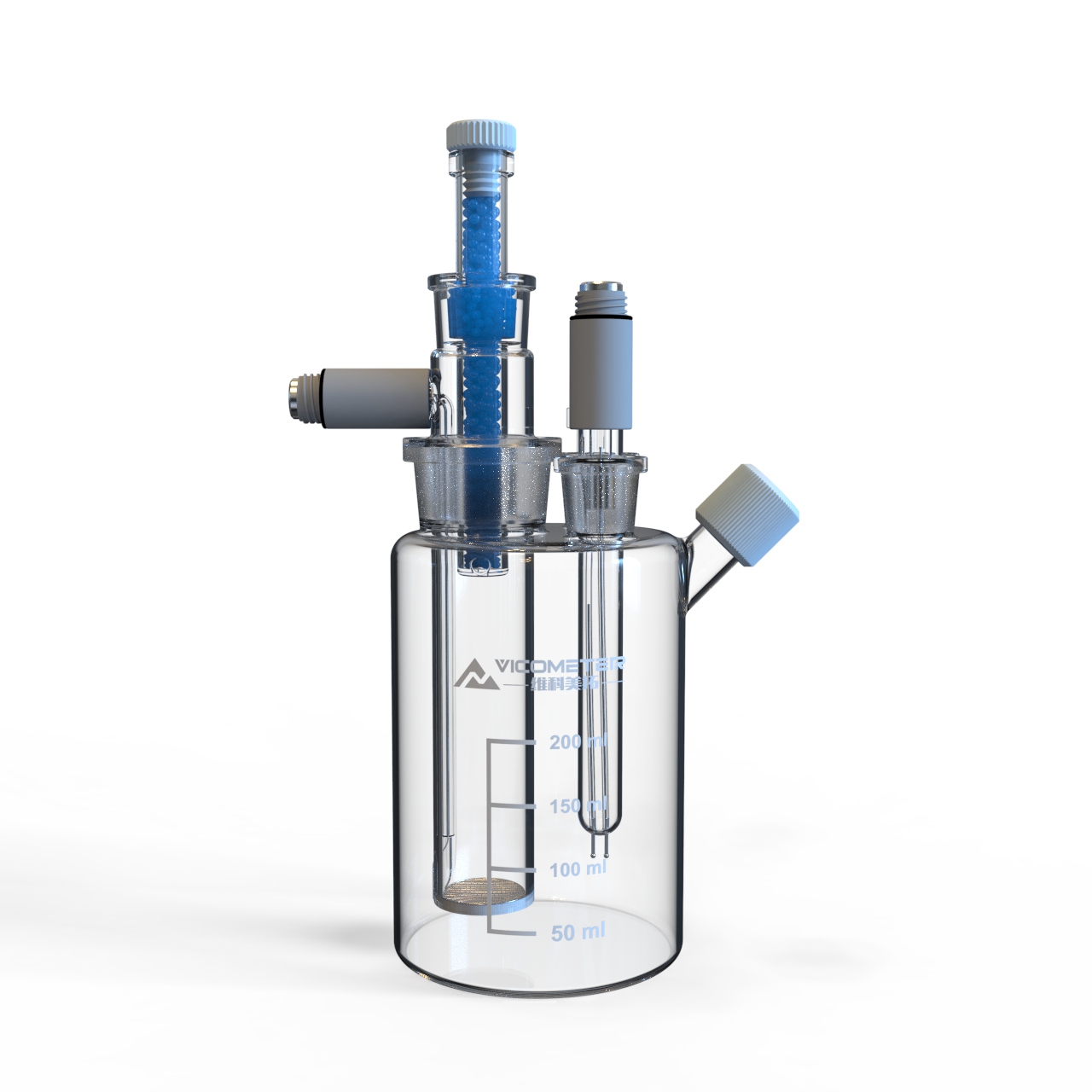
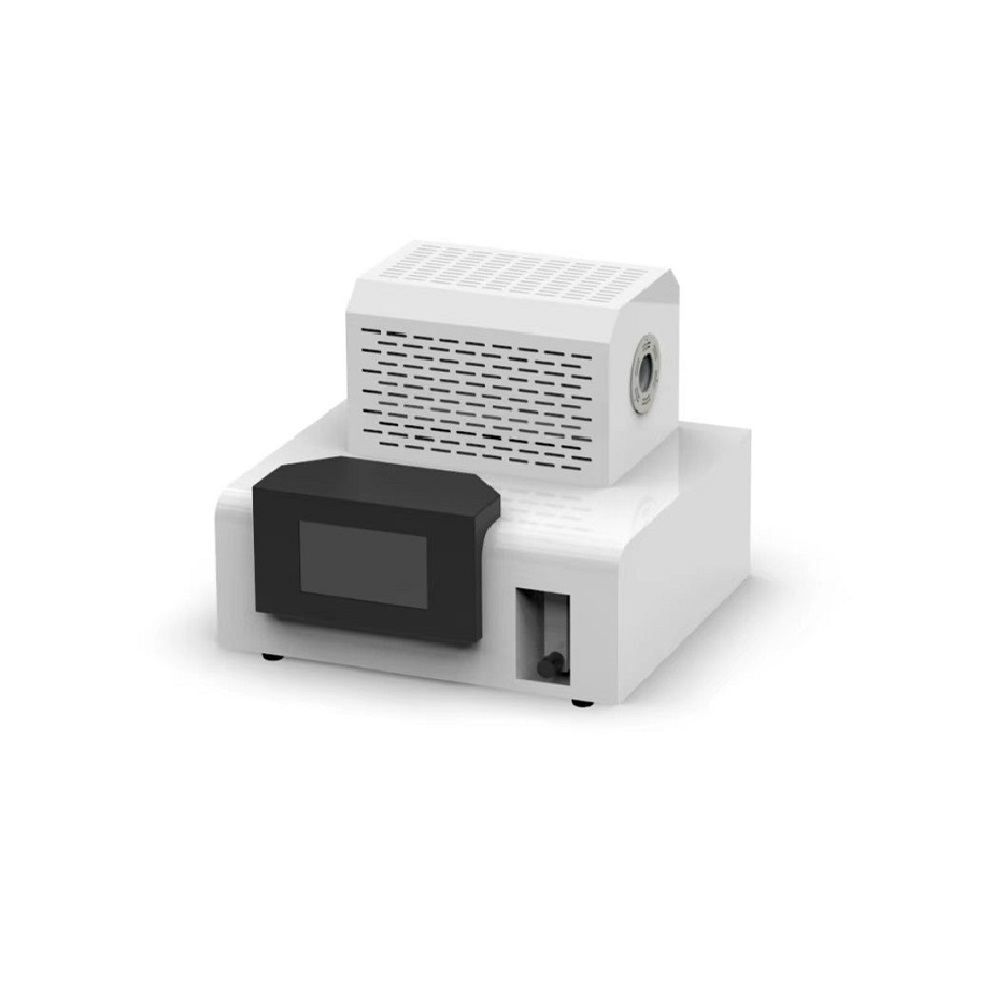
In this test, the VicoMeter WKT-A9 Karl Fischer moisture analyzer was used to determine the reference moisture value of TPE (thermoplastic elastomer). Paired with the WKT-V2 Karl Fischer oven, the sample is transferred into the oven chamber and the released moisture is carried by dry nitrogen into the electrolytic cell for measurement.
If you have no reference method for plastics samples on the VM-E01, VicoMeter recommends these settings from experimental experience:
Heating mode: Standard
Shutoff mode: Automatic (1 mg/140 s)
Sample size: 30 g
Resolution: High (0.1 mg/0.0001 g)
Warm-up: standby, 100°C; at standby temperature, preheat the empty pan for 1 minute, then tare.

Figure 1: Same Sample Heated at Different Temperatures
(Click image to enlarge)
Choose a drying temperature matching the Karl Fischer reference value. Melting or marked color change means the temperature is too high. Some samples inevitably discolor when heated (polyamide unavoidably turns brown).
Figure 1 compares samples after two heating runs. Left: correct temperature — no melting or discoloration. Right: the sample browned, so the temperature was too high.
Measure samples promptly. Otherwise, fill the container completely (use a smaller one if needed) and seal it to minimize air and prevent moisture uptake during storage.
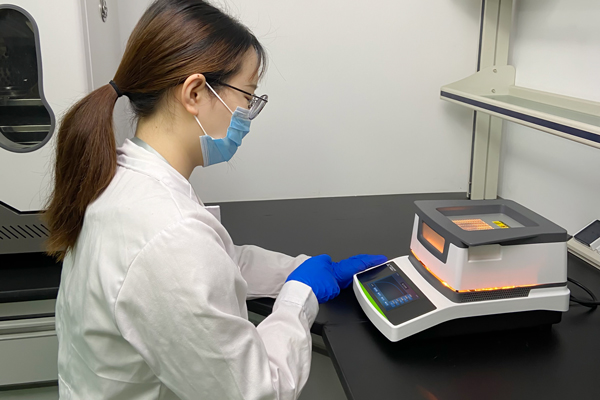
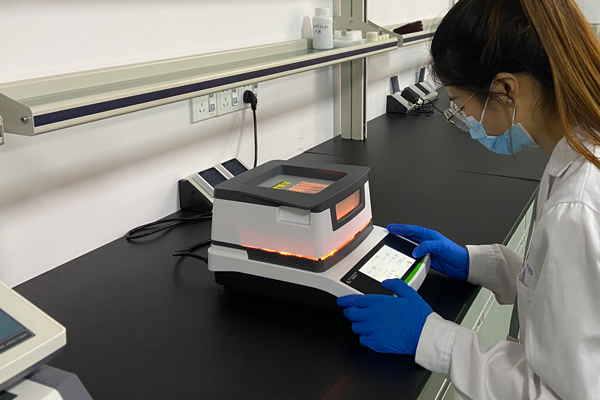
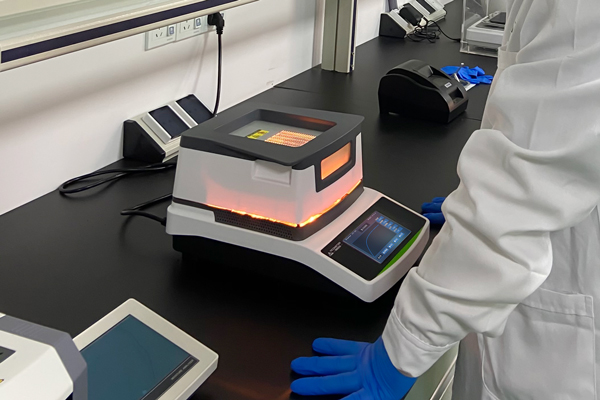
Place the VM-E01 rapid halogen moisture analyzer in a suitable location, switch it on and warm up for 30 min, level it (bubble centered), and perform weighing and temperature calibration. You can then start the TPE (thermoplastic elastomer) moisture measurement procedure (installation, operating environment, warm-up and calibration are covered inPreparation Before Formal Measurement with a Halogen Moisture Analyzeras discussed in that article; click the link to learn more.).

1. Place the empty pan on the center holder, preheat 1 min at 135°C standby, press tare to zero.

2. Using a spatula, quickly and evenly spread about 30 g of TPE (thermoplastic elastomer) sample on the sample pan and wait for the reading to stabilize.

3. Once the reading is stable, press the start key. After a few minutes, the TPE (thermoplastic elastomer) moisture result is displayed on the screen.
VM-E01 Halogen Moisture Analyzer(0.1mg/0.0001g)
Heating mode: Standard
Heating Temperature: 135°C
Shutoff mode: Automatic (1 mg/140 s)
Sample size: 30 g
Resolution: High (0.1 mg/0.0001 g)
Warm-up: standby, 100°C; at standby temperature, preheat the empty pan for 1 minute, then tare.
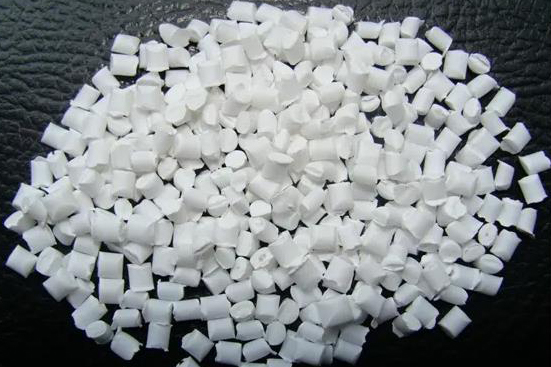
Sample description: TPE, beige, high-modulus grade, with non-fading stabilizer.
Typical maximum permissible moisture content [%]: 0.08
Hygroscopicity (23°C/50% rH) [%]: 0.2
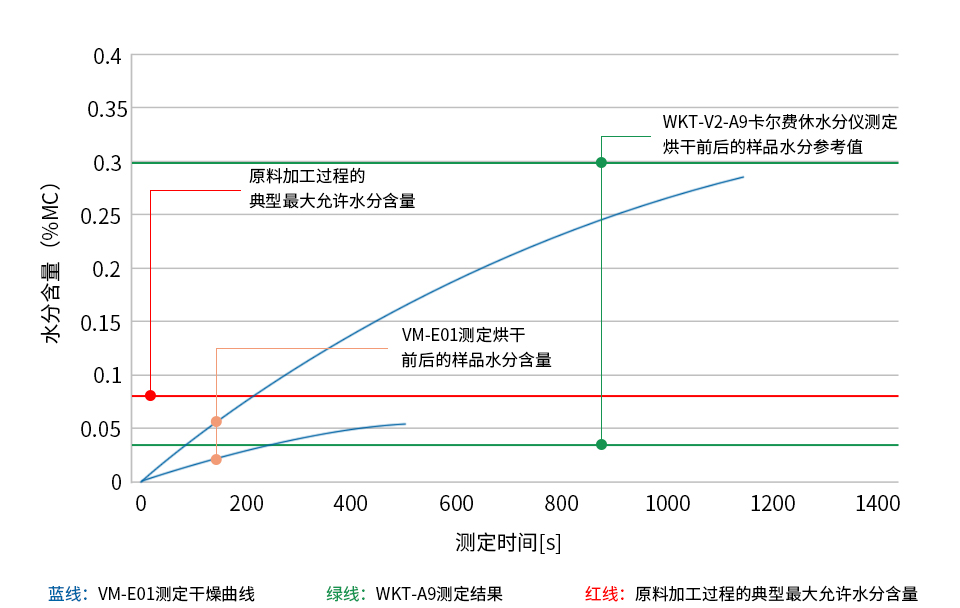
Chart Notes
Recommendation: measure 6 TPE (thermoplastic elastomer) samples, each with a different moisture content (dry, moist).
Green line:Moisture content (average) measured with the WKT-A9 Karl Fischer moisture analyzer and WKT-V2 Karl Fischer oven.
Blue line:Moisture content (average) measured with the VM-E01 rapid halogen moisture analyzer.
Red line:Typical maximum allowable moisture for pellet processing; refer to the supplier's material-specific values.
| Sample Information | Moisture content of the TPE sample before drying | Moisture content of the TPE sample after drying | ||
| Test Method | Halogen Moisture Analyzer | Karl Fischer Moisture Analyzers | Halogen Moisture Analyzer | Karl Fischer Moisture Analyzers |
| Moisture %MC | 0.275 | 0.299 | 0.055 | 0.038 |
| Std Dev Δ | 0.002 | 0.002 | 0.001 | 0.003 |
| Test Time [min] | 18 | 30 | 10 | 30 |
Sample-Specific Test Notes
Maximum allowable moisture for pellet processing must always follow supplier specifications. Values here are typical only and may not suit your material or process.
These drying parameters were obtained on common plastics and do not cover all grades or colors; optimizing them may be needed for best results on a specific material.
Yes. Measuring moisture in plastics with a halogen moisture analyzer is a recognized ASTM method: D6980-12, "Standard Test Method for Determination of Moisture in Plastics by Loss in Weight".
Yes — seeCan Rapid Halogen Moisture Analyzers Replace the Oven Method?).
Yes — reinforced plastics contain glass or other materials that do not affect moisture measurement.
Adjust drying temperature for heat absorption — e.g., black resin about 10°C lower than white.
Take care: loss on drying counts volatilized plasticizer as moisture. Heat at a lower temperature where possible to prevent plasticizer loss.
Not directly. As a rule of thumb, the VM-E01 drying temperature is about 30°C lower than the oven's.
It is a good reference, but should be adapted to the other suppliers' polymer compounds.
Thermoplastic elastomers TPE/TPR, also known as artificial or synthetic rubber, combine the excellent properties of conventional cross-linked vulcanized rubber—high elasticity, aging resistance and oil resistance—with the easy, versatile processing of ordinary plastics. They can be processed by injection molding, extrusion and blow molding, and sprues and offcuts can be 100% directly recycled after grinding. This simplifies processing and lowers costs, making TPE/TPR the latest material to replace traditional rubber. Eco-friendly, non-toxic, comfortable to the touch and refined in appearance, it enables more creative products—a more human-centered, high-grade new synthetic material and a globally standardized eco-friendly material.
Thermoplastic elastomer, abbreviated TPE or TPR (thermoplastic rubber), is a class of elastomers that is rubber-elastic at room temperature and plastically moldable at high temperature. Structurally, it consists of resin segments and rubber segments with different chemical bonds: the resin segments form physical cross-linking points via interchain forces, while the rubber segments are highly elastic chains that provide elasticity. The physical cross-linking of the plastic segments changes reversibly with temperature, giving TPEs their thermoplastic processability. TPEs thus combine the physical-mechanical properties of vulcanized rubber with the processability of thermoplastics—a new polymer material between rubber and resin, often called the third generation of rubber.
Since Bayer first produced thermoplastic polyurethane (TPU) in 1958, TPEs have developed rapidly. Especially after styrenic TPEs appeared in 1963, the preparation theory was progressively refined and applications continued to expand.
Thermoplastic elastomers are a new polymer material between rubber and resin; they can partially replace rubber and also modify plastics. With the dual properties of rubber and plastic, TPEs are widely used in the rubber industry for everyday goods such as rubber shoes and coated fabrics, and for industrial products such as hoses, belts, strips, sheets, molded parts and adhesives. They can also replace rubber in large quantities for modifying general-purpose thermoplastics such as PVC, PE, PP and PS, and even engineering plastics such as PU, PA and CA, opening a new landscape for the plastics industry.
Related Content
Related Products
Solutions
Recently Viewed Products




Copyright © Jiangsu Victor Instrument Meter Co., Ltd. All rights reserved | Sitemap | Technical Support: VicoMeter Operations Center