Basic Knowledge of Rapid Halogen Moisture Analyzers
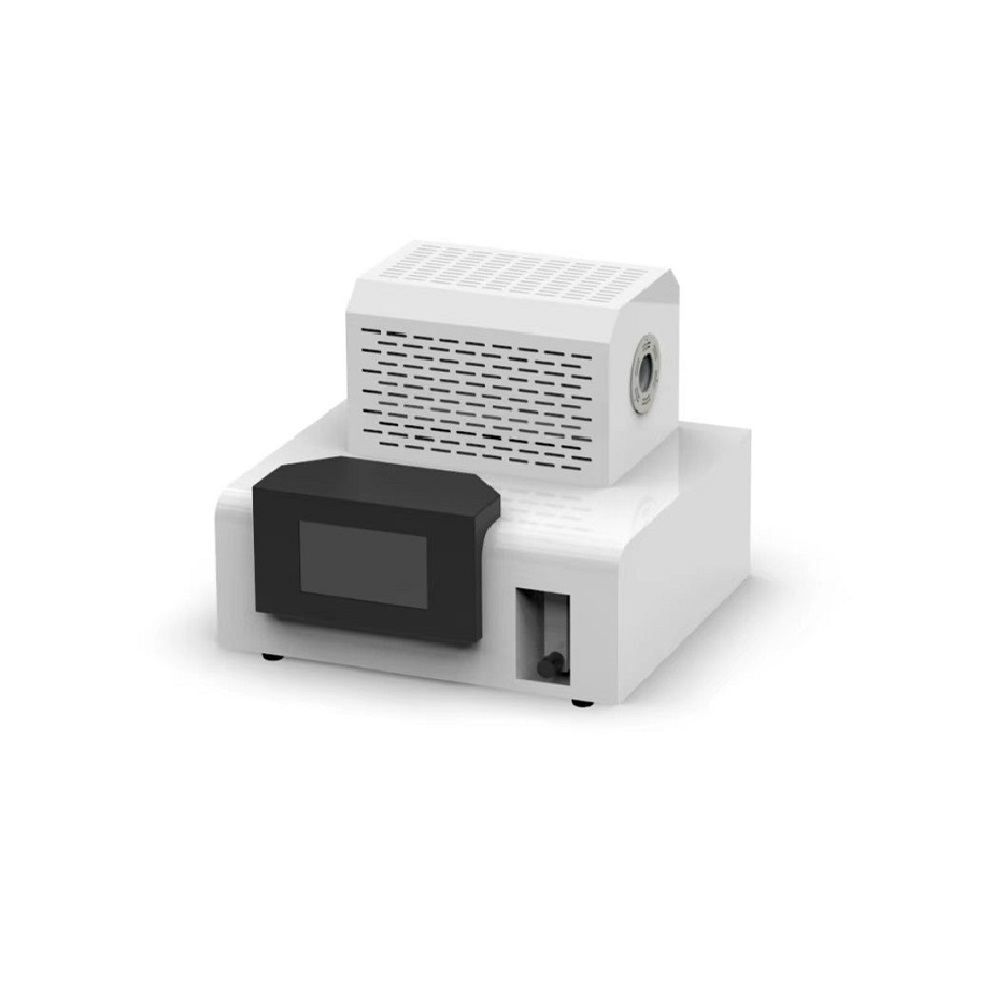
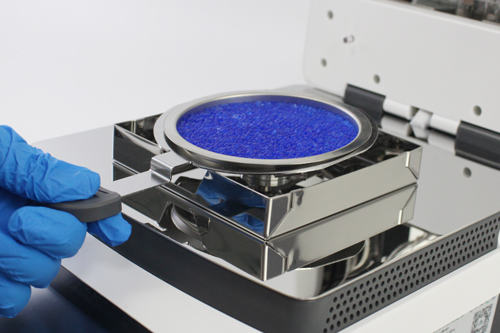
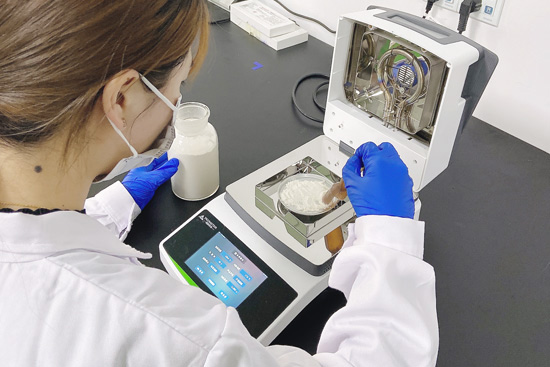
Moisture determination must be fast and reliable so that adjustments to the production process can be completed as soon as possible, thereby avoiding production interruptions. A fast and accurate method for determining moisture content is the thermogravimetric analysis method used by halogen moisture analyzers: the sample is first weighed and then heated with an infrared radiator (halogen lamp). The mass loss is continuously recorded, and drying ends when the shut-off criterion is reached. The moisture content is automatically calculated from the weight difference.

Moisture determination must be fast and reliable so that adjustments to the production process can be completed as soon as possible, thereby avoiding production interruptions. A fast and accurate method for determining moisture content is the thermogravimetric analysis method used by halogen moisture analyzers: the sample is first weighed and then heated with an infrared radiator (halogen lamp). The mass loss is continuously recorded, and drying ends when the shut-off criterion is reached. The moisture content is automatically calculated from the weight difference.
VicoMeter's loss-on-drying analyzers deliver comparable, traceable results in under 15 minutes. This guide covers the key points for quick, reliable, easy moisture measurement.

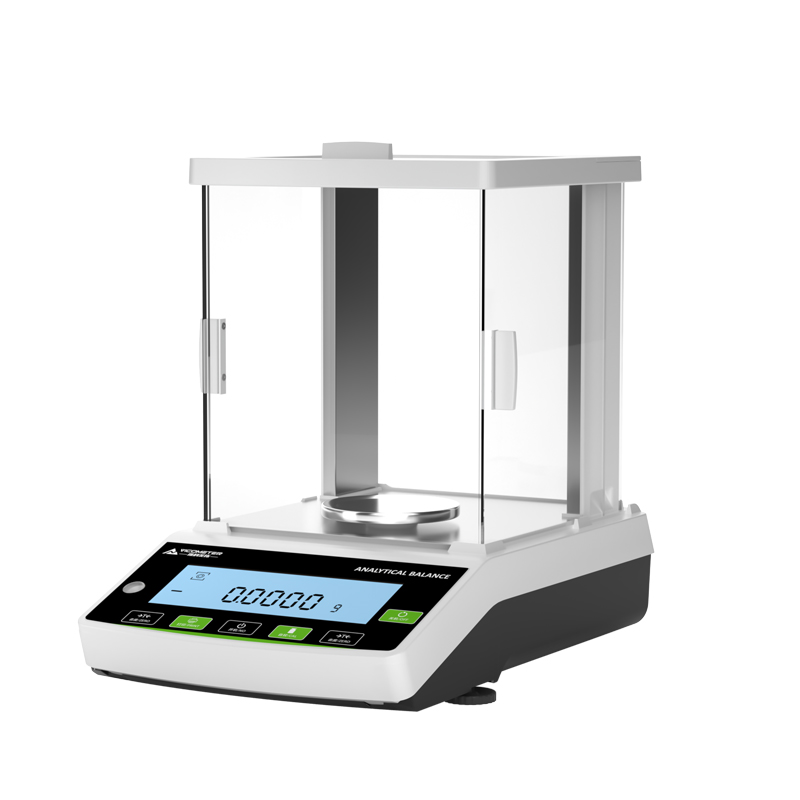
VM-E01 Halogen Moisture Analyzer(0.1mg/0.0001g)
Thermogravimetric principle: record initial mass, heat with a halogen lamp, track mass continuously with the integrated balance — total loss equals moisture. Halogen drying advances infrared drying: the halogen-filled glass tube, far lighter than conventional radiators, reaches full heat quickly with excellent control and distributes heat uniformly across the sample — essential for repeatability.
The conventional oven heats by air convection and needs long drying; the halogen sample absorbs infrared radiation and heats rapidly.
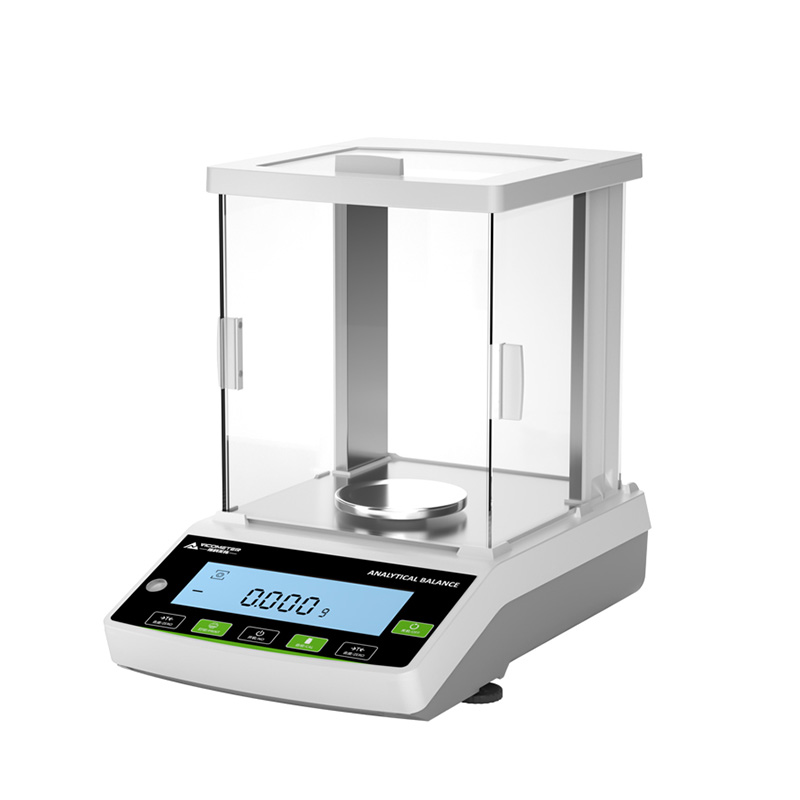
VM-E10 Halogen Moisture Analyzer(1mg/0.001g)
Because measurement relies on high-precision weighing, results depend closely on placement. Follow these guidelines to keep the analyzer in optimal condition.
Place the instrument on a stable, grounded surface (marble platform recommended). Check the leveling bubble at the rear center; if not centered, adjust the two leveling feet. Re-level after every relocation.
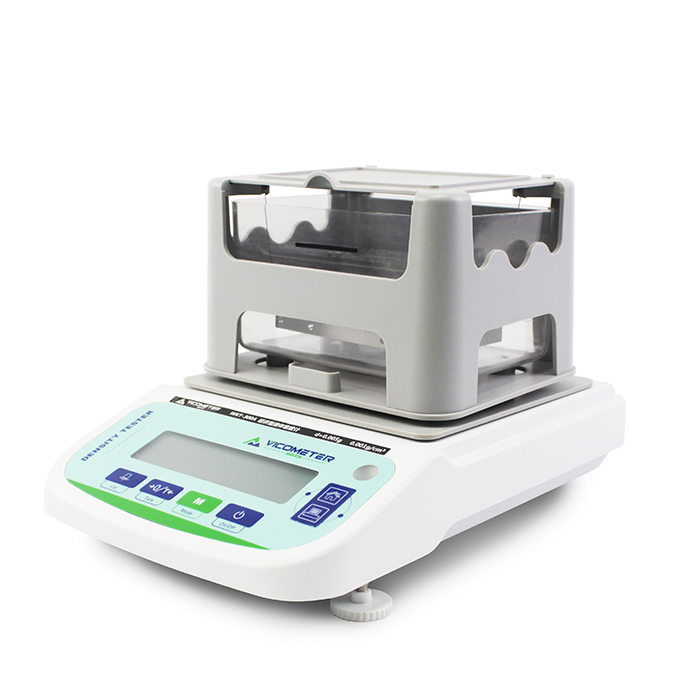
VM-E50 Halogen Moisture Analyzer(5mg/0.005g)
For accurate results, observe these care, calibration, and maintenance principles:
Regular calibration (testing) and, when needed, heating-unit adjustment keep heat output stable over the instrument's life. Set test intervals for both units based on risk.
To ensure consistently valid results, VicoMeter pioneered a temperature calibration function — the domestic market often overlooks it, focusing only on weighing calibration.
VicoMeter's service team ensures your analyzer's quality, accuracy, and value.
VM-E20Halogen Moisture Analyzer(2mg/0.002g)
Proper sample preparation is key to repeatable, reliable results.
Ensure uniform particle size.
If needed, grind the sample to increase surface area so moisture releases better and faster.
Never heat the sample during preparation — it causes moisture loss.
Mechanical comminution may be used: mortar, (water-cooled) grinder, or cutting.

VM-01S Halogen Moisture Analyzer0.0001g(0.1mg)
Regulations or internal standards usually specify moisture methods; the oven method or Karl Fischer titration typically serves as reference.
The goal: match the reference method's results with the halogen analyzer (or know the deviation and its reproducibility).
This requires setting drying temperature, program, sample weight, and handling — called "custom method development."
VM-1S Halogen Moisture Analyzer0.001g(1mg)
Certain samples need special handling for fast, accurate measurement, as explained here.
Liquid and very moist samples:
Use glass fiber pads.
Tare the pad with the pan, then add the sample.
The fast program suits >30% moisture: temperature overshoots the setpoint by 40% for 3 min to speed up drying.
The step program can substitute for fast heating.
It allows free choice of drying temperatures and intervals.
VM-5S Halogen Moisture Analyzer0.005g(5mg)
Moisture: in thermogravimetric analysis, everything that volatilizes on heating and reduces mass — possibly including alcohols and decomposition products. With these methods (infrared, halogen, microwave, oven), water and highly volatile components cannot be distinguished.
Oven method: thermogravimetric determination — heat the sample at constant temperature for a set time; moisture % from the weight difference. Historically embedded in legislation (food regulations, USP).
Related Content
Related Products
Solutions
Recently Viewed Products




Copyright © Jiangsu Victor Instrument Meter Co., Ltd. All rights reserved | Sitemap | Technical Support: VicoMeter Operations Center