Determination of Moisture Content of 5 Vegetables by the Halogen Moisture Analyzer Method
This article explores the advantages and disadvantages of the oven method and the halogen moisture analyzer method for detecting moisture content in vegetables. Five vegetables — lettuce leaves, eggplant flesh, cucumber flesh, chili peppers, and green peppers — were selected, and their moisture content was tested by the oven method and the halogen moisture analyzer method respectively, analyzing the accuracy and reliability of the two methods.
Abstract and Objective:Comparing the oven and halogen methods on five vegetables (lettuce leaves, eggplant pulp, cucumber pulp, two peppers): both measured >90% moisture, cucumber pulp highest at 96.49%. Small batches favor the halogen method; large batches the oven. Statistics showed no significant difference—precision and accuracy agree. Under certain conditions the halogen method can replace the oven method.
Vegetables supply essential vitamins, minerals, cellulose, and fiber; water is also a key component. Eating more promotes gut motility and toxin removal [1-3].
Urbanized lifestyles bring less activity, changed diets, and faster pace; some young people skip vegetables, and fresh produce is not always available—hence the popularity of portable, storable dehydrated vegetables [4-5].
Vegetable moisture changes with storage conditions; testing it estimates dehydration yield and energy use. Drying fastest at lowest energy is optimal.
The oven method—weigh, dry at 100-105°C to constant weight, reweigh—is slow [6]. The newer halogen analyzer offers fast heat-up and one-step weighing-heating, shortening time and cutting energy [7]. This study compared both methods on five vegetables to assess accuracy and reliability.
Sample Selection:Lettuce, eggplant, cucumber, green pepper, and green chili were purchased from a supermarket; fresh lettuce leaves, eggplant pulp, and cucumber pulp were selected for testing;
Instruments and Equipment:
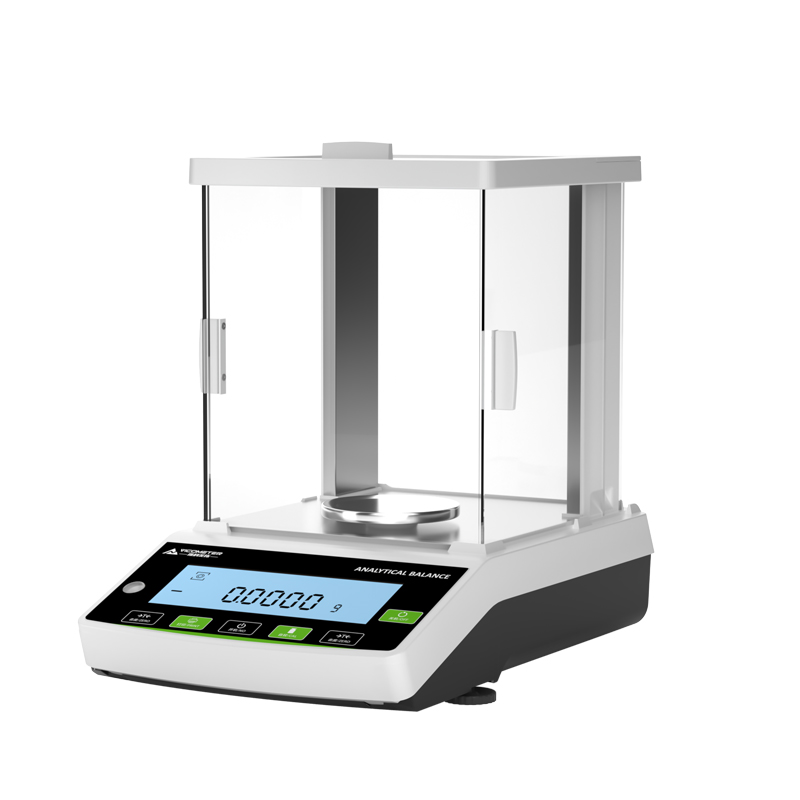
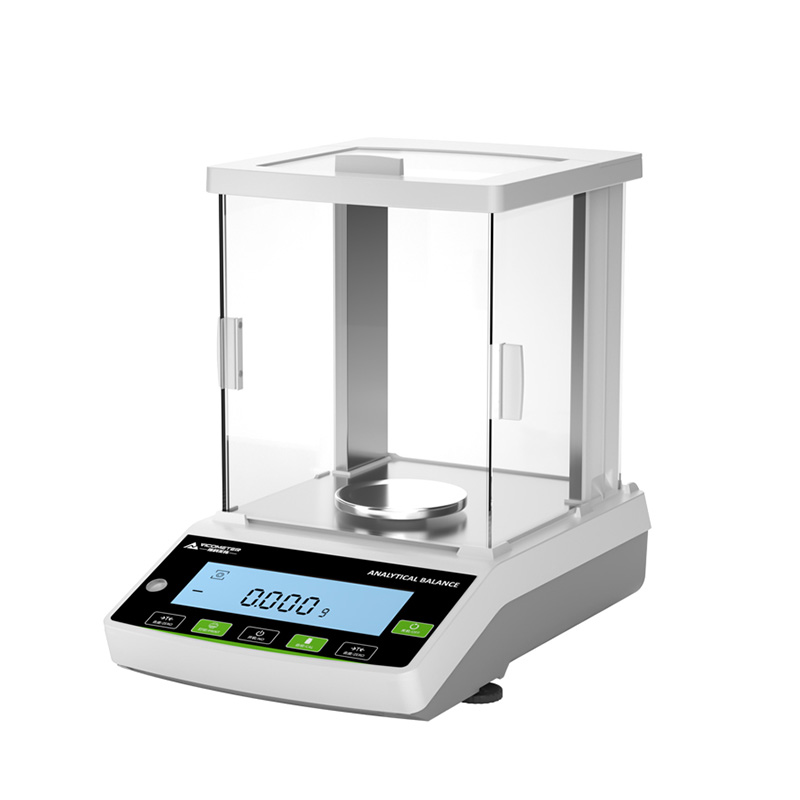
Analytical balance;
Aluminum foil;
Drying oven;
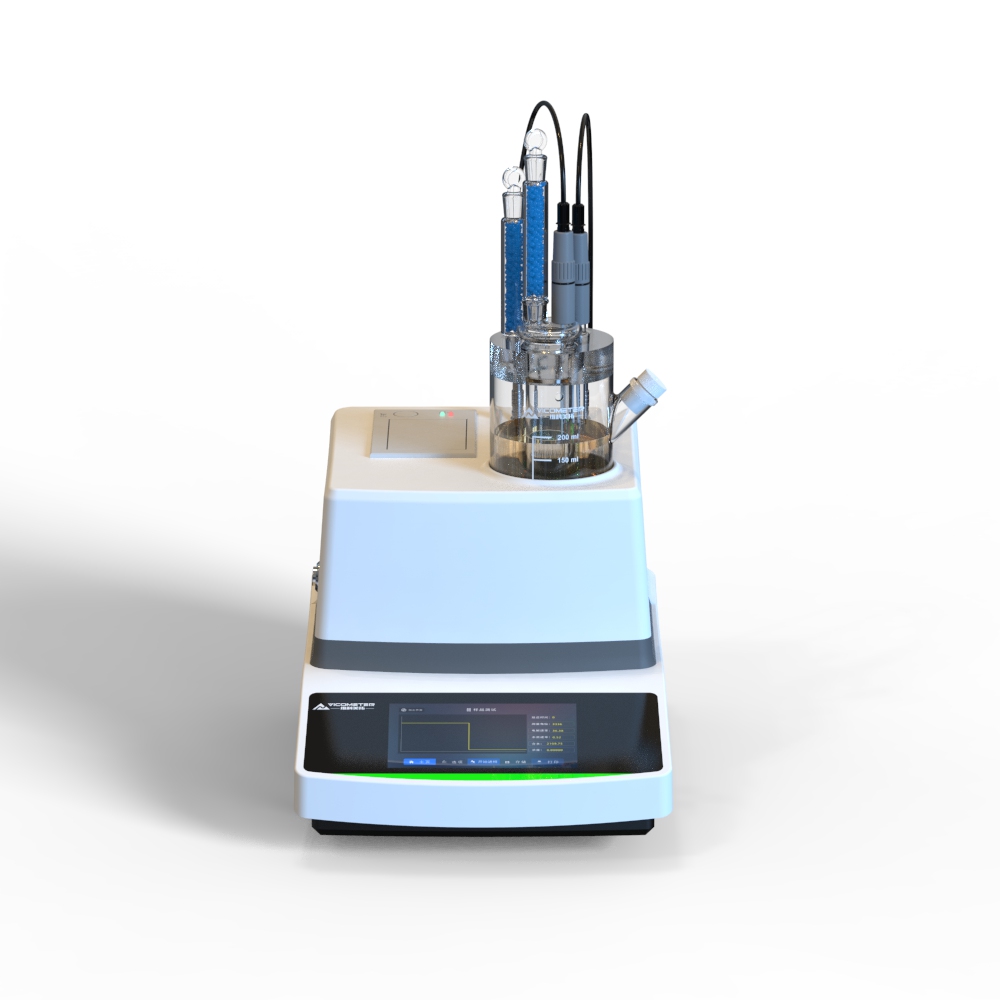
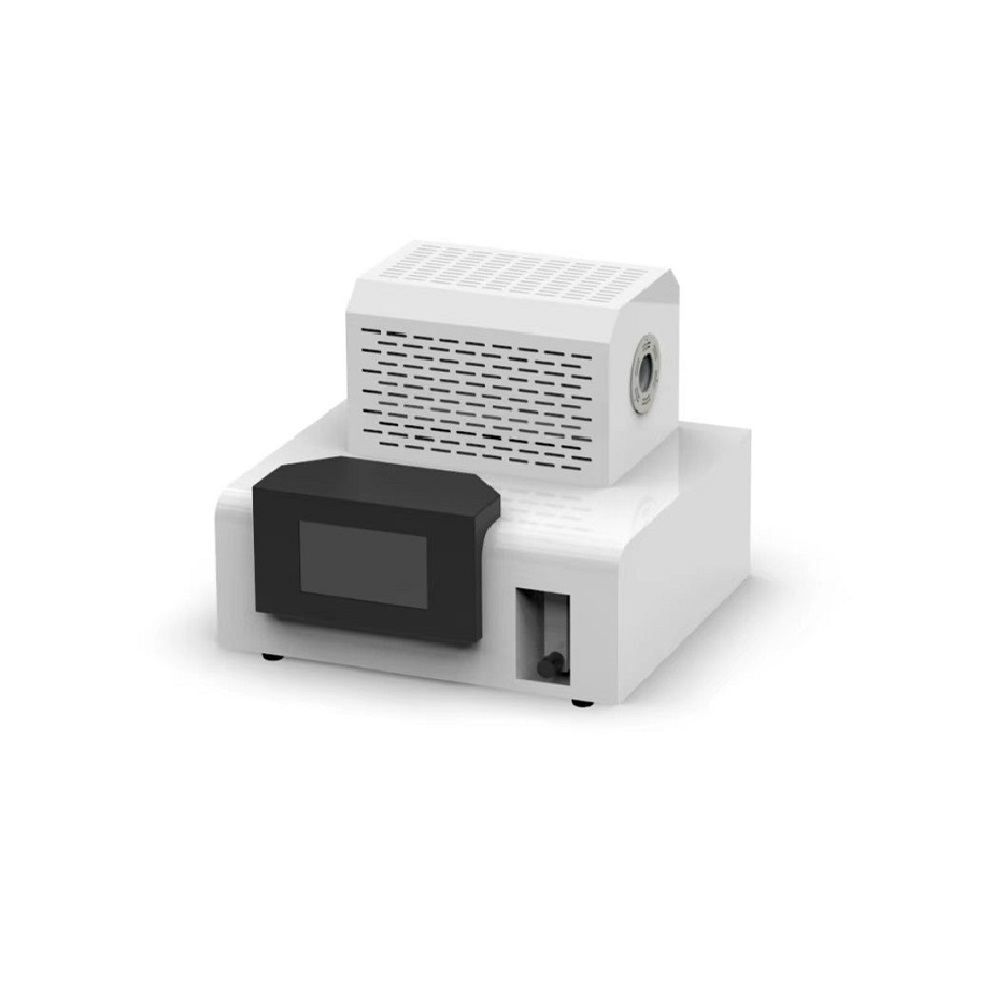
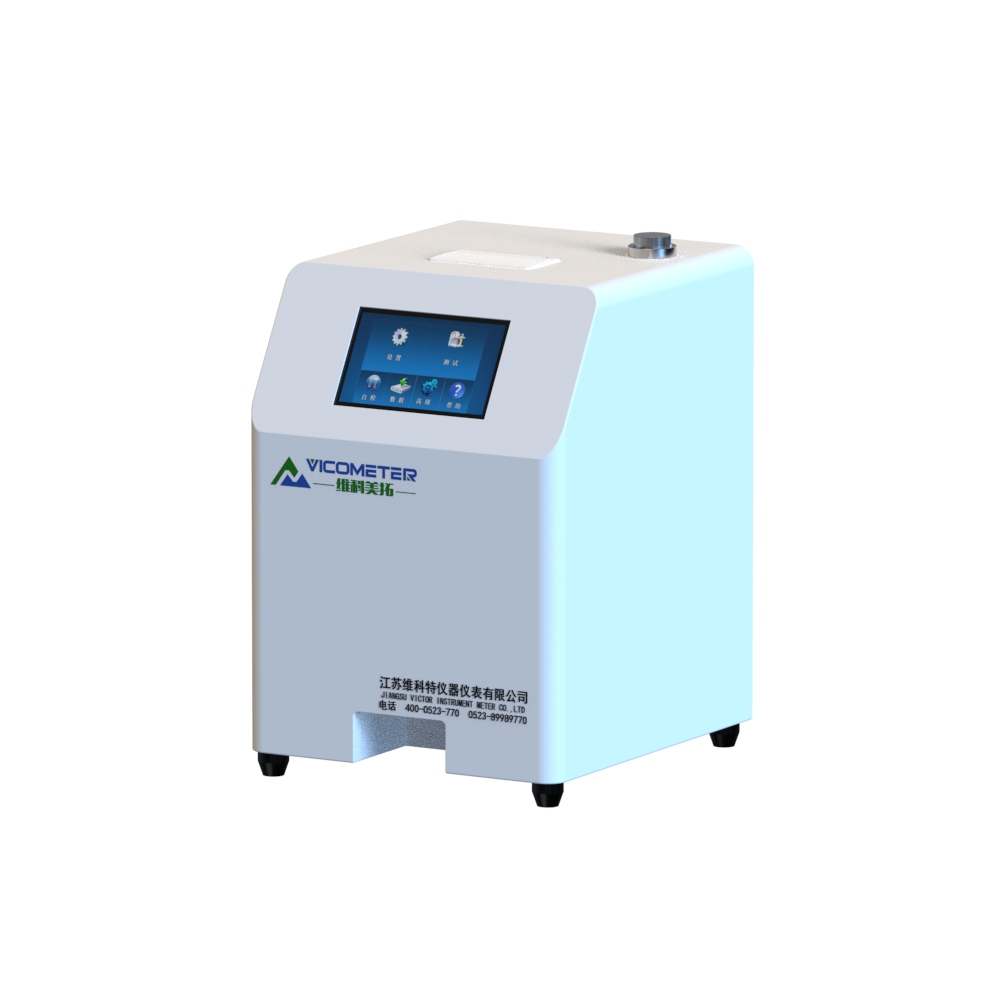
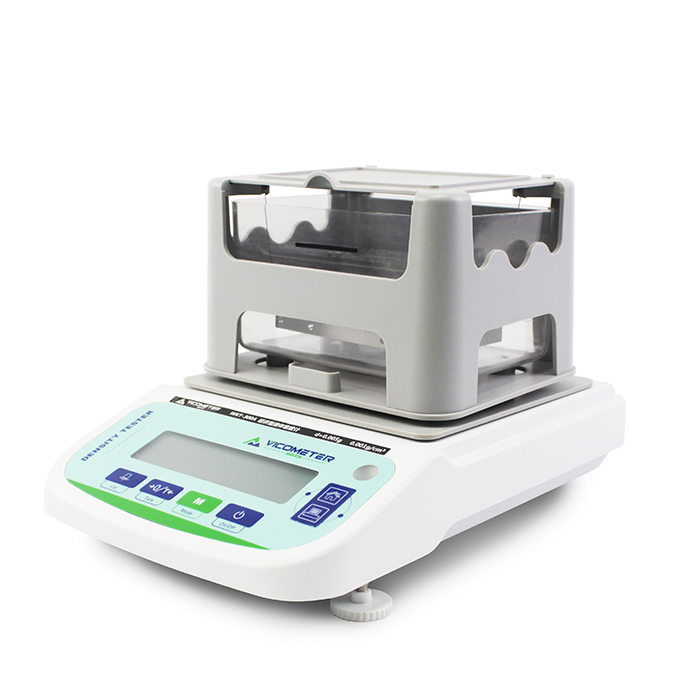
VicoMeter VM-E series halogen moisture analyzer; instrument demonstration video below:
Weigh ~1.0g to 0.0001g on tared foil, dry at 100-105°C for 2 hours, cool in a desiccator, and reweigh to constant weight (≤0.002g difference); repeat 5 times per sample.
The analyzer weighs ~1.0g of fresh sample, heats rapidly to 180°C, then 100-105°C after 1 minute; moisture displays continuously and locks at the end. Repeat 5 times per sample.
The methods were compared for time and throughput; F- and t-tests assessed result consistency.
Both methods gave basically identical results; see Table 1.
Table 1 Moisture Content of Samples Determined by the Two Methods (%)
| Test Method | Lettuce Leaves | Eggplant Pulp | Cucumber Pulp | Green Pepper | Green Chili |
| Oven Method | 92.57 | 92.33 | 96.49 | 93.12 | 93.76 |
| Halogen Analyzer | 92.90 | 92.14 | 95.98 | 91.30 | 93.02 |
Both use heated weight loss. The oven tests 1-100 samples at once but needs repeated weighing to constant weight—slow for large batches.
The oven takes ~3.0 hours to constant weight; the halogen method tests one sample at a time (~0.127 h each) but is fast, uniform, and reproducible. Under 23 samples the halogen analyzer is quicker; over 23, the oven (Figure 1).

Figure 1 Comparison of Measurement Time Required by the Oven Method and the Halogen Moisture Analyzer Method
F- and t-tests showed no significant difference—the methods' precision is identical.
No statistically significant difference appeared—both methods suit sample moisture determination.
The oven measures 1-100 samples simultaneously with even convection heat and minimal inter-sample interference, but is slow, unsynchronized, and impractical for urgent samples.
The halogen method is simpler, integrates weighing and heating, and delivers one-step results largely immune to external factors, but handles one sample at a time—large batches take longer than the oven. Choose by sample properties and needs.
Choose by urgency: few samples, urgent results—halogen; many samples, no rush—oven.
Related Products
Related Solutions
Recently Viewed Products




Copyright © Jiangsu Victor Instrument Meter Co., Ltd. All rights reserved | Sitemap | Technical Support: VicoMeter Operations Center