Can a Halogen Moisture Analyzer Replace the Oven Method
Can a rapid halogen moisture analyzer replace the oven method? The answer is yes — as long as the results obtained by the two methods are comparable, replacement is possible. This article guides operators through this process by comparing the halogen moisture analyzer with the oven method.

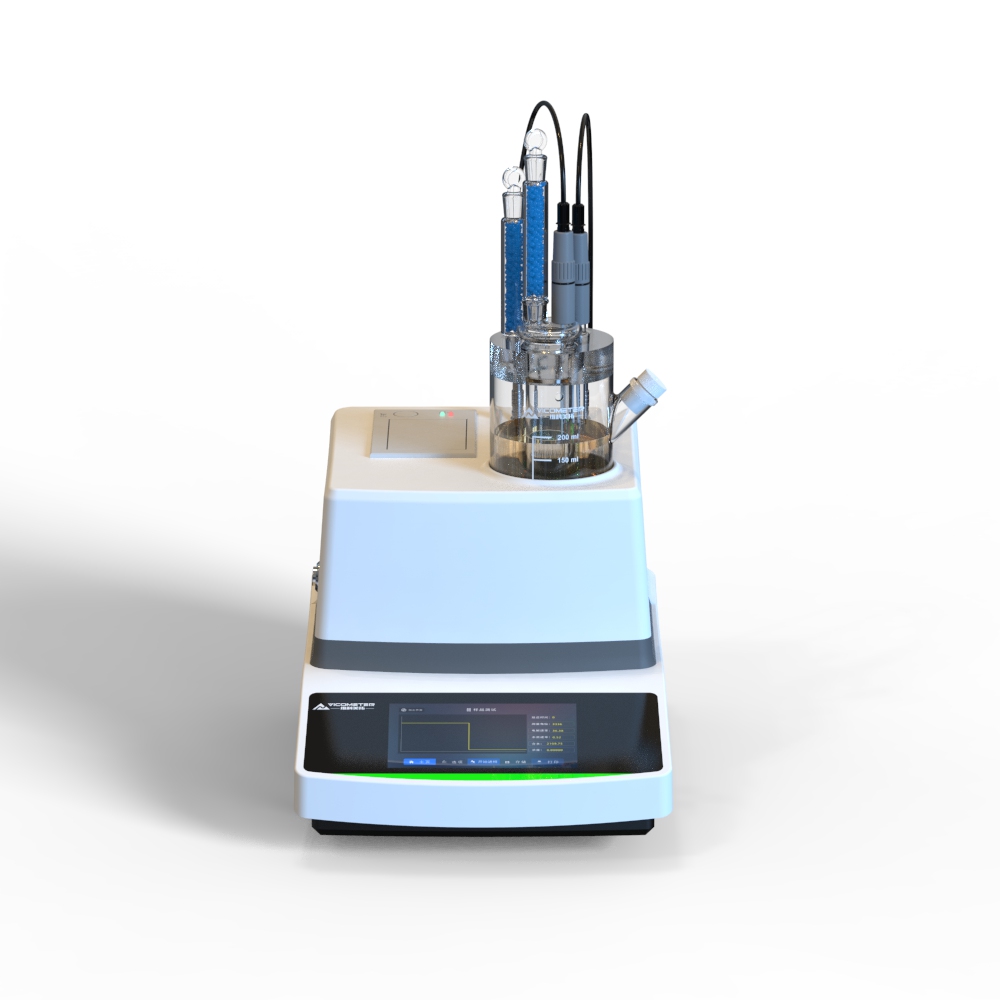
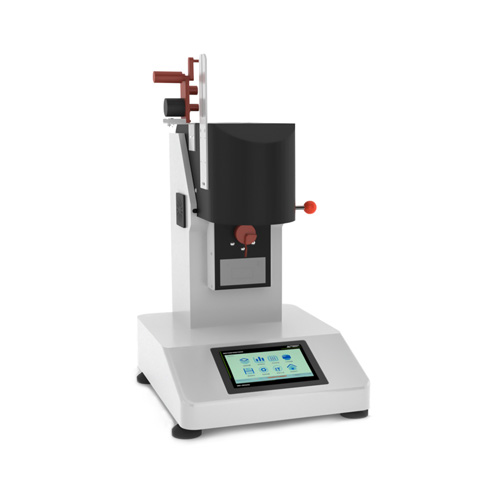
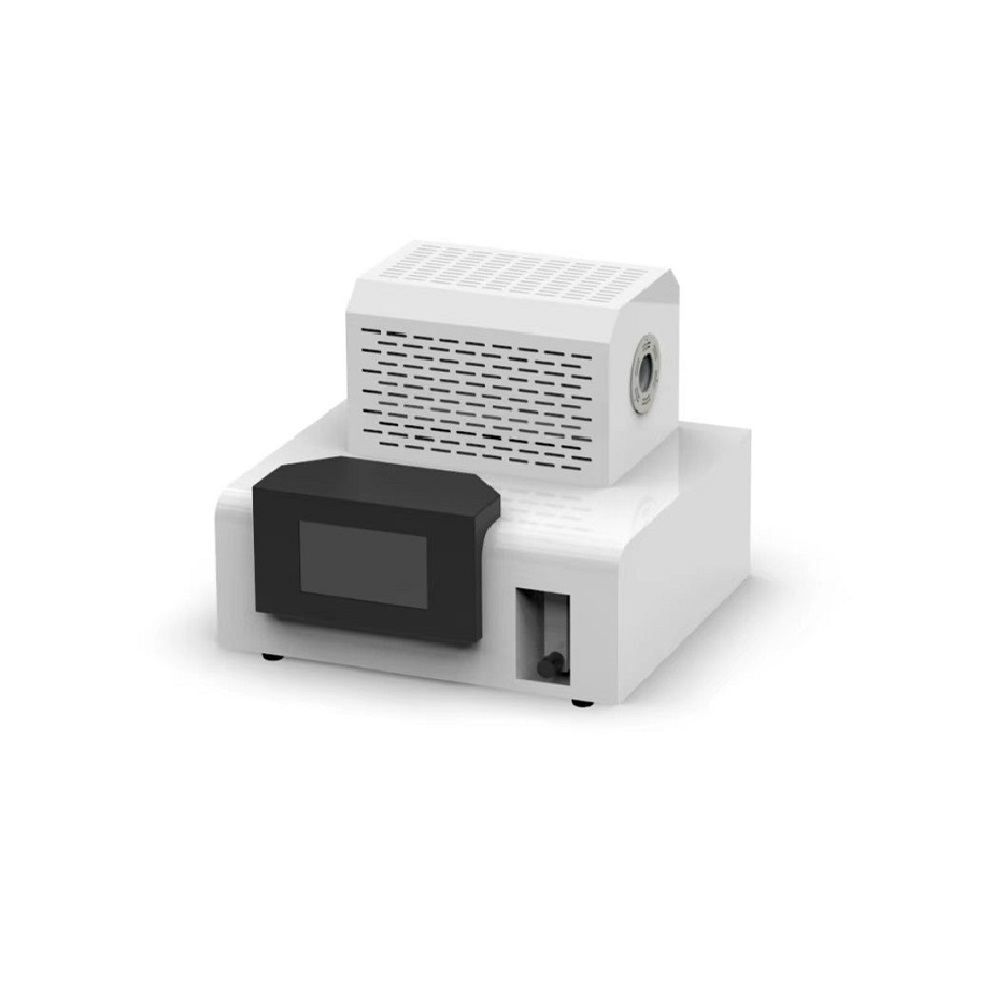
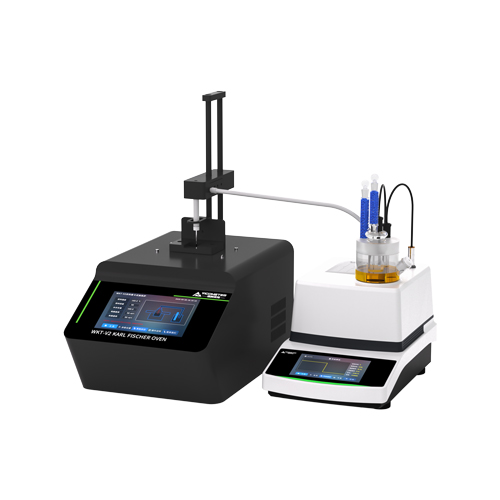
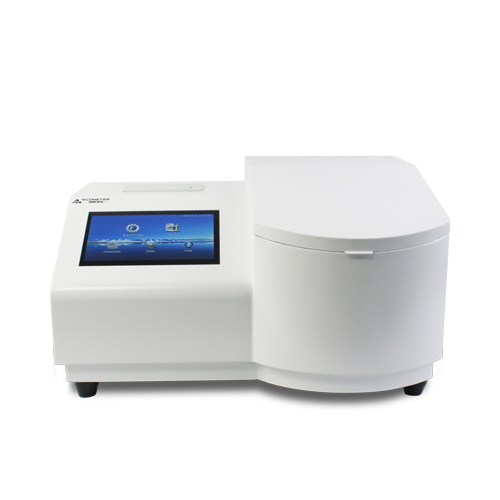
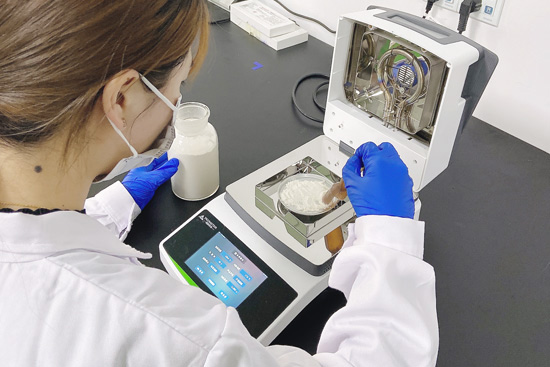
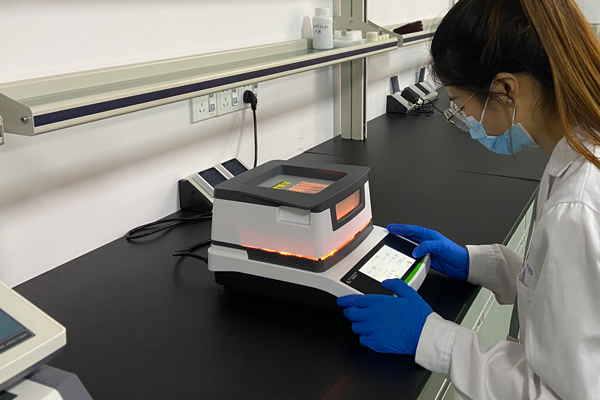
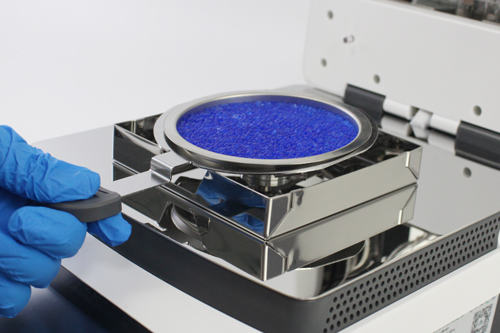
Rapid Halogen Moisture Analyzer Product Image
Moisture affects the quality, shelf life, and usability of pharmaceuticals, plastics, food, chemicals, and lithium batteries, making moisture monitoring essential. Oven loss on drying is the usual reference method but is slow and manual; halogen moisture analyzers are easy to use and deliver results directly in minutes.
The challenge is validating the halogen method against the oven method. This article details the approach; in some industries, the halogen method is already a standard test method.

Rapid Halogen Moisture Analyzer
(Click image to enlarge)
2.1. Importance of Moisture Content
2.2. Oven Loss on Drying
2.3. Alternative Solutions
3.1 Evaluating Comparability per Process Requirements
3.2 Example Method Comparison at a Specific Moisture Content
3.2.1 Equipment
3.2.2 Acceptance Criteria
3.2.3 Test Data
3.2.4 Data Evaluation
4.1. Reliable Drying and Good Sample Handling
4.2. An Accurate Instrument
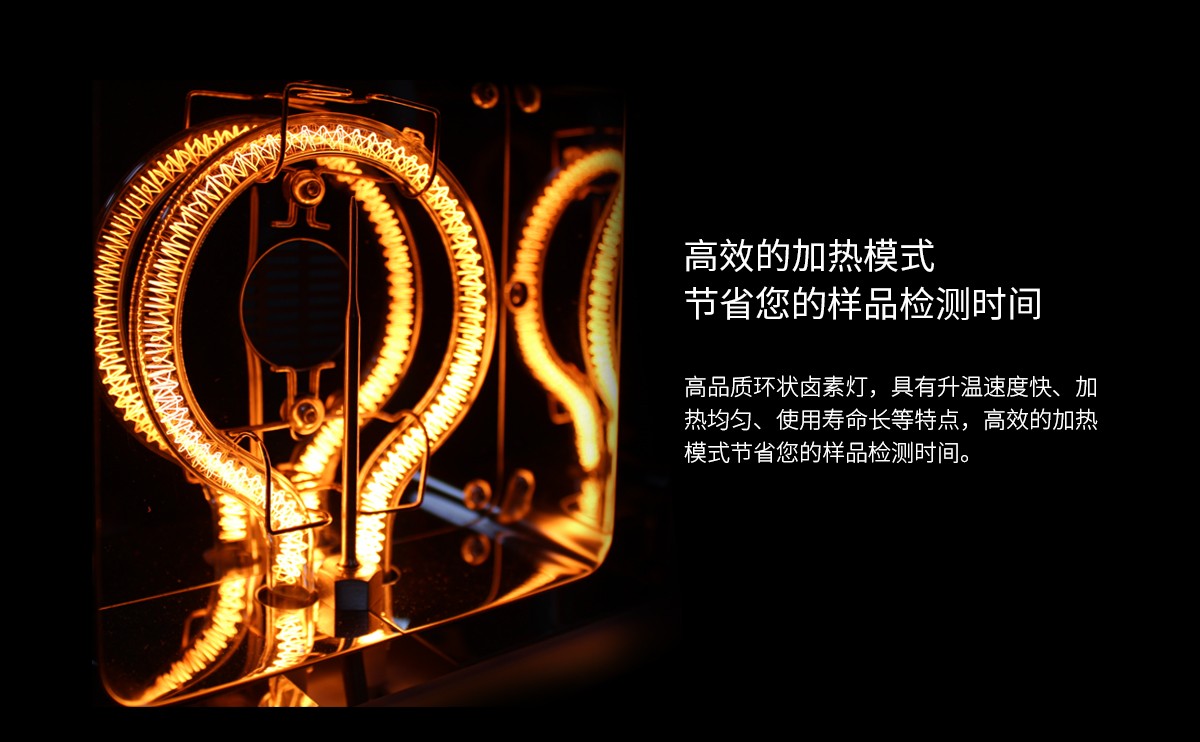
High-Efficiency Ring Halogen Lamp
The most common question: "Can the rapid halogen method replace the oven method?" Yes — provided both methods' results are comparable.
This means proving results equivalent within specific tolerances — not trivial. This article guides operators through the comparison, key decision criteria, and practical steps to demonstrate comparable results.
It presents a comparison method recognized on the basis of specific process requirements (allowable error).

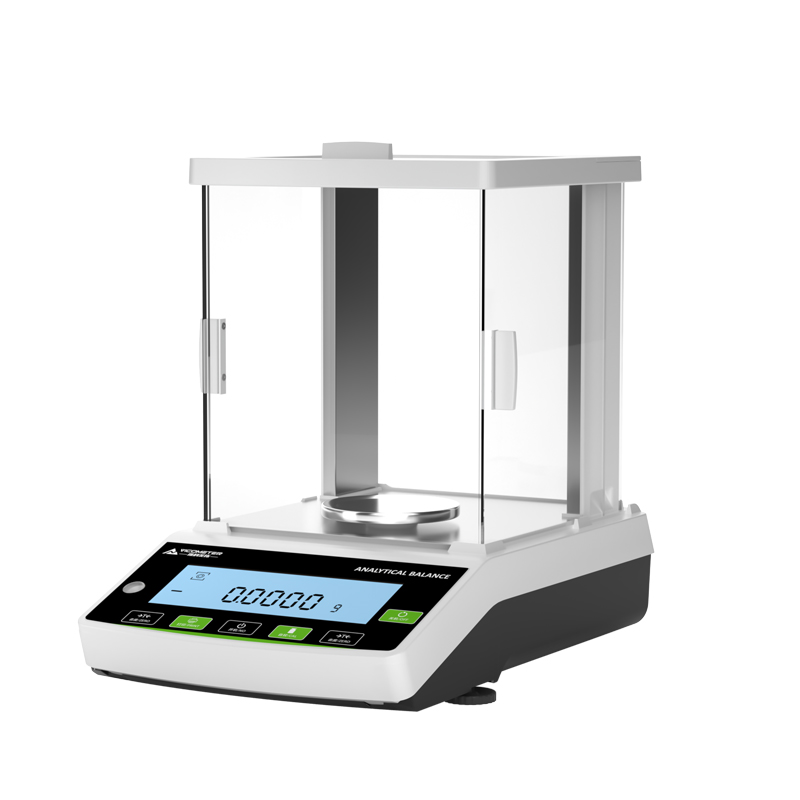
VM-E10 Halogen Moisture Analyzer(1mg/0.001g)
Moisture content is a critical quality parameter in most industries, including food, chemical, and pharmaceutical.
It determines raw material quality and cost;
It affects product quality (e.g., shelf life) and often finished-product margins.
It is also a critical process control parameter.
Monitoring moisture is vital; measurements must be reliable and fast to allow timely intervention and avoid costly downtime.
For many substances, maximum moisture and applicable methods are set by authorities or industry committees; the specified reference method is usually oven loss on drying.
Oven loss on drying is stable and reliable and needs only an oven and analytical balance. But it is slow — typically 2–4 hours or more — with many manual steps; an error means re-drying and multiplied time.
The oven method is unsuitable for the factory floor — too slow and requiring lab personnel, it cannot match production pace.
The halogen moisture analyzer works on the same loss-on-drying principle but is much faster (typically 5–15 min) and easier — results directly, no calculations. Ideal for lab and at-line use by operators during shifts. In some industries it is a recognized method; in 2012 ASTM published a standard method for moisture in plastics by HMA.
Table 1: Halogen Moisture Analyzer vs. Oven Method — Advantages and Disadvantages.
| Oven Method | Rapid Halogen Moisture Analyzer | |
| Principle | Loss on drying | Loss on drying |
| Measurement Method | Sample heated by convection in a constant-temperature oven for a set time; mass measured before and after; moisture % from the difference. | Sample heated by infrared radiation from a halogen radiator; mass tracked continuously; moisture % from the difference. |
| Advantages |
|
|
| Disadvantages |
|
|
If results are comparable, the halogen method can replace the oven method. This section describes how to verify comparability.
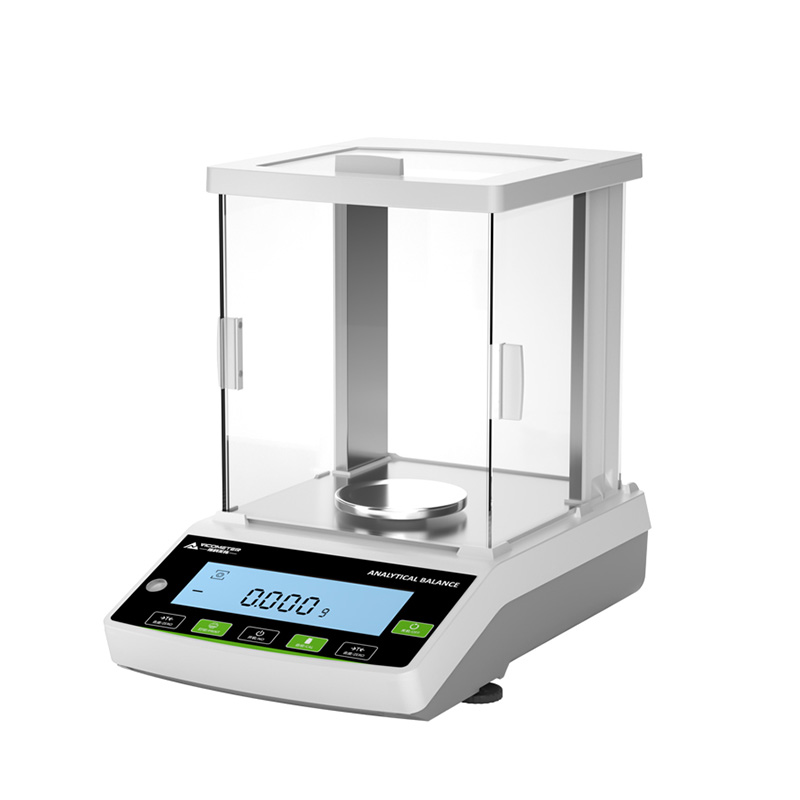
VM-E50 Halogen Moisture Analyzer(5mg/0.005g)
Widely recognized comparability criteria come from pharma: the USP states an alternative method (here, halogen) is comparable if its results differ from the reference (oven) by no more than an "amount of concern." Equivalence is judged by comparing precision and accuracy; acceptability depends on the application's moisture tolerance (%MC tolerance).
Common approach: apply an acceptance range to the oven results' mean and standard deviation, then verify halogen results fall within it (see Table 2).
| Specifications | Acceptance Criteria | Example Acceptance Criteria |
| Accuracy | Δ%=| H-L | (where "| |" denotes absolute value) | Δ% ≤ 0.1% = excellent Δ% ≤ 0.2% = good Δ% ≤ 0.4% = acceptable Δ% > 0.4% = unacceptable |
| Accuracy | Q = ΔL/ΔH | Q ≤ 1.5 = good |
Table 2: Example tolerances as acceptance criteria for 2%–15% moisture samples.
Definitions:
H = mean of at least 6 oven measurements;
L = mean of at least 6 halogen measurements;
ΔH = standard deviation of at least 6 oven measurements;
ΔL = standard deviation of at least 6 halogen measurements;
Note: example values — operators must verify suitability for their process; other values may suit samples outside this range.
To verify comparability across a range (e.g., 1.00%–8.00%), check accuracy and precision at several levels (typically 1.00%MC, 4.50%MC, 8.00%MC); analysts often verify only the critical level.
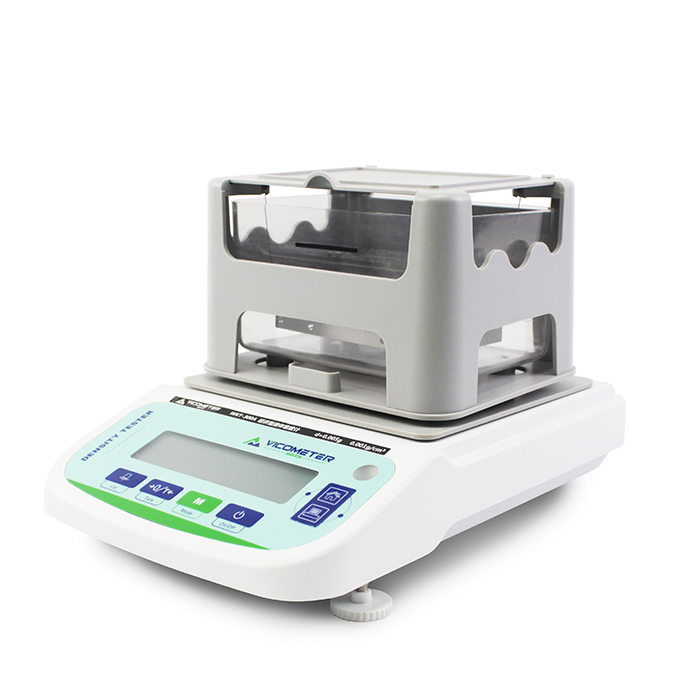
VM-E01 Halogen Moisture Analyzer(0.1mg/0.0001g)
Here, the methods were compared at 1% sample moisture.
Ethyl cellulose moisture by oven drying at 100–105°C for 2 h is at most 3.0%;
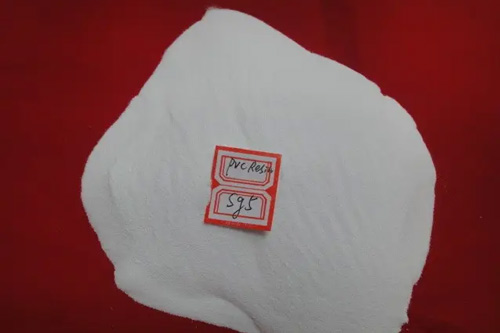
Sample: Ethyl cellulose
Oven, balance, and accessories
VicoMeter VM-E01 Rapid Halogen Moisture Analyzer
Introduction video of the rapid halogen moisture analyzer:
The methods are comparable when these criteria are met:
Accuracy
The difference between means is less than 0.1%
Δ%=| H-L | ≤ 0.10%
Accuracy
The halogen method's standard deviation is under 1.5× the oven method's:
Q ≤ 1.5= ΔL/ΔH

1. Place the empty sample pan on the tripod; after the reading stabilizes, press the Tare key to zero.

2. Spread the sample evenly on the sample pan and wait for the on-screen reading to stabilize.

3. Press the Start key; the moisture result will appear on the screen within a few minutes.
A homogeneous batch at ~1% moisture is measured 10 times with each method.
Table 3: Ethyl Cellulose Moisture by Oven Method and Halogen Moisture Analyzer
| Measurement Target | Moisture Content (%) | |
| Measurement Method | Halogen | Oven |
| 01 | 1.09 | 1.08 |
| 02 | 1.09 | 1.03 |
| 03 | 1.03 | 1.10 |
| 04 | 1.07 | 1.09 |
| 05 | 1.05 | 1.09 |
| 06 | 1.09 | 1.08 |
| 07 | 1.12 | 1.12 |
| 08 | 1.11 | 1.04 |
| 09 | 1.09 | 1.04 |
| 10 | 1.06 | 1.05 |
Means and standard deviations calculated as follows
Table 4: Means and Standard Deviations of Moisture Content (HMA vs. Oven)
| Measurement Target | Moisture Content | |
| Measurement Method | Halogen | Oven |
| Average | 1.08 | 1.07 |
| Standard Deviation | 0.027 | 0.029 |
Accuracy
Δ%=| H-L | = |1.08-1.07| = 0.01%
Conclusion: below the 0.1% criterion — excellent.
Accuracy
Q = ΔL/ΔH = 0.027/0.029 = 0.93
Conclusion: Q ≤ 1.5 — precision criterion met.
Conclusion: the difference is acceptable and within the amount of concern; the halogen method is comparable to the oven method.
VM-E50 Halogen Moisture Analyzer(5mg/0.005g)
Successful comparison requires a good method delivering precise, accurate results: reliable drying, good sample handling, and accurate calibration.
Sample-specific parameters (drying temperature, program, sample mass, switch-off criterion) determine precision and accuracy. Consistent sample preparation improves speed and repeatability.
The biggest accuracy factor is heating-temperature variability (programmed vs. actual). Accurate adjustment with a temperature calibration kit and regular testing catch drift early. Sample-specific parameters (drying temperature, program, sample mass, switch-off criterion) determine precision and accuracy; consistent sample preparation improves speed and repeatability.
VM-E20Halogen Moisture Analyzer(2mg/0.002g)
If comparable, the halogen method can replace the oven method. Substitution is achieved via a simple comparison of no more than 20 measurements, evaluating precision and accuracy against process requirements.
Typically, at most one day confirms comparability — and the halogen analyzer is faster and easier to operate.
Related Content
Related Products
Solutions
Recently Viewed Products




Copyright © Jiangsu Victor Instrument Meter Co., Ltd. All rights reserved | Sitemap | Technical Support: VicoMeter Operations Center