What Calibration Standards and Verification Methods Are Available for Karl Fischer Moisture Determination?
VicoMeter Karl Fischer moisture analyzers are typically calibrated and verified using standards such as methanol-water standard solutions, water-containing sodium tartrate, distilled (deionized or pure) water, and water-saturated toluene. This article introduces the calibration substances, calibration methods, and accuracy verification procedures commonly used with VicoMeter coulometric and volumetric Karl Fischer moisture analyzers.

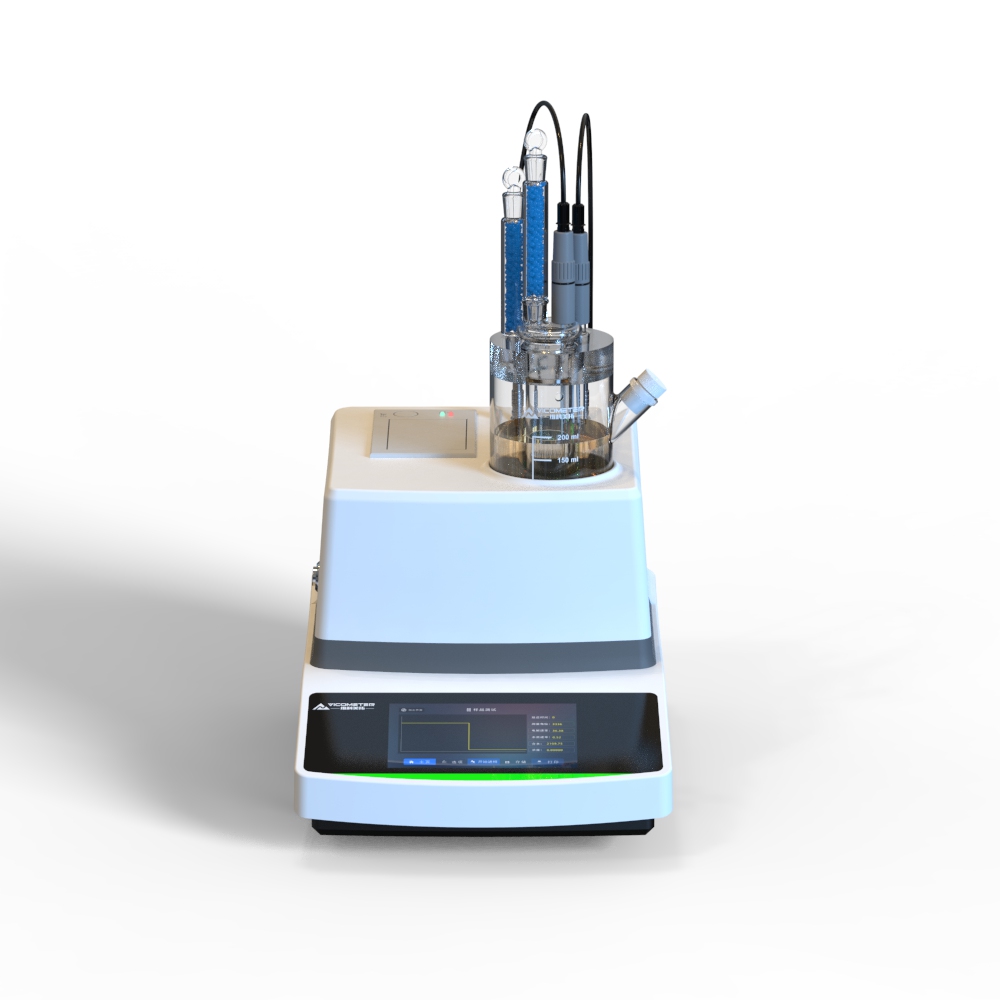
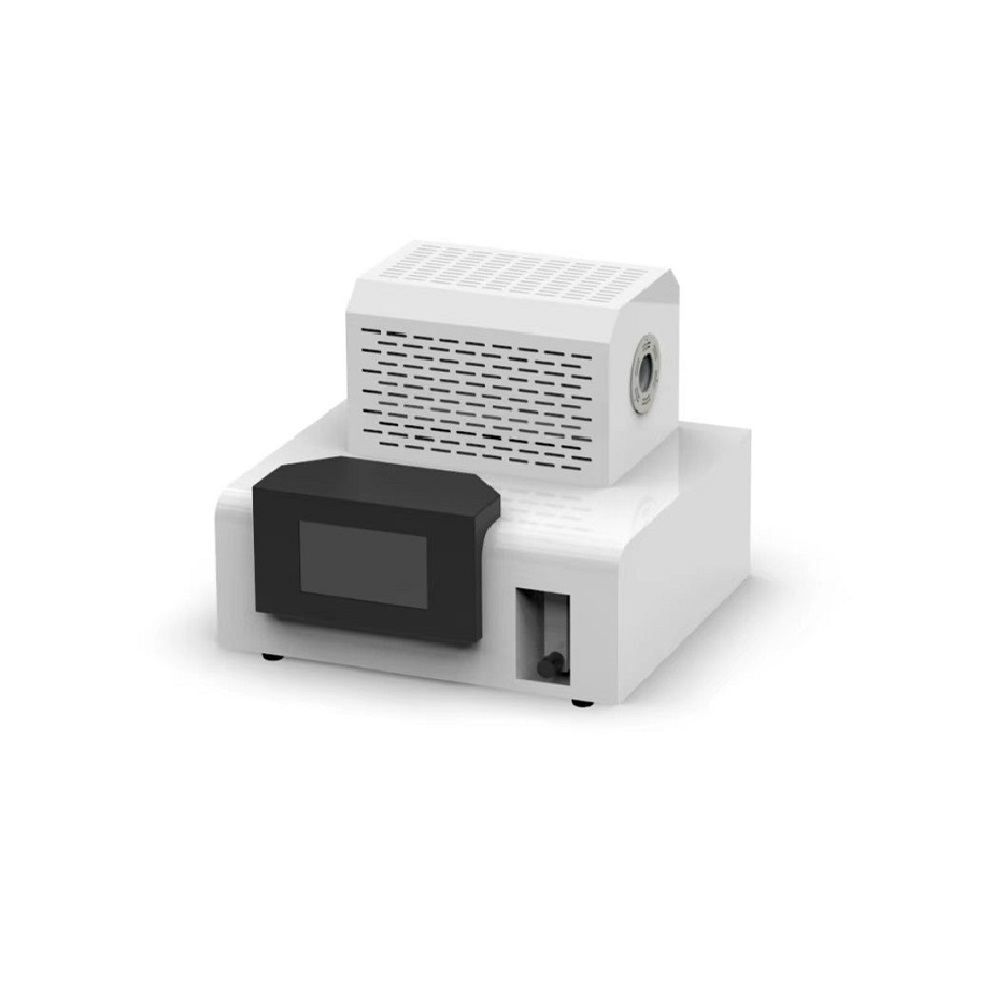
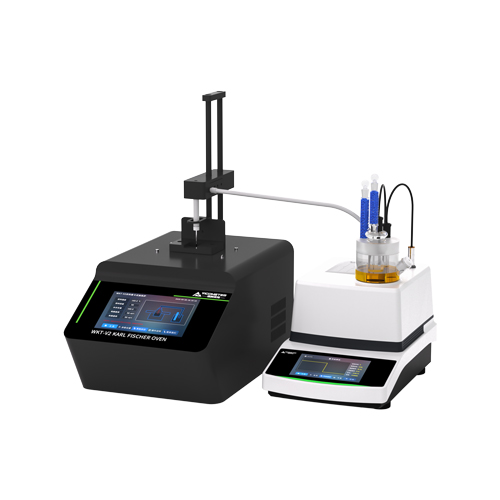
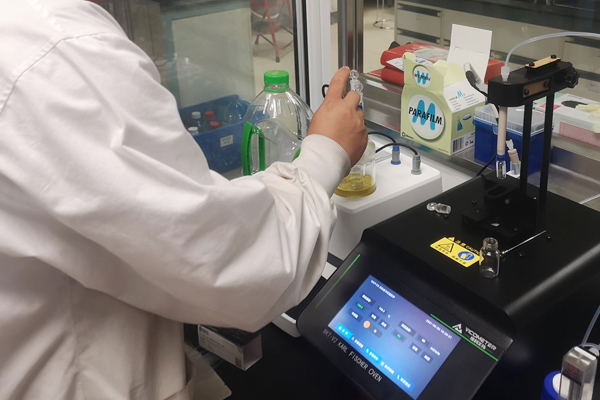
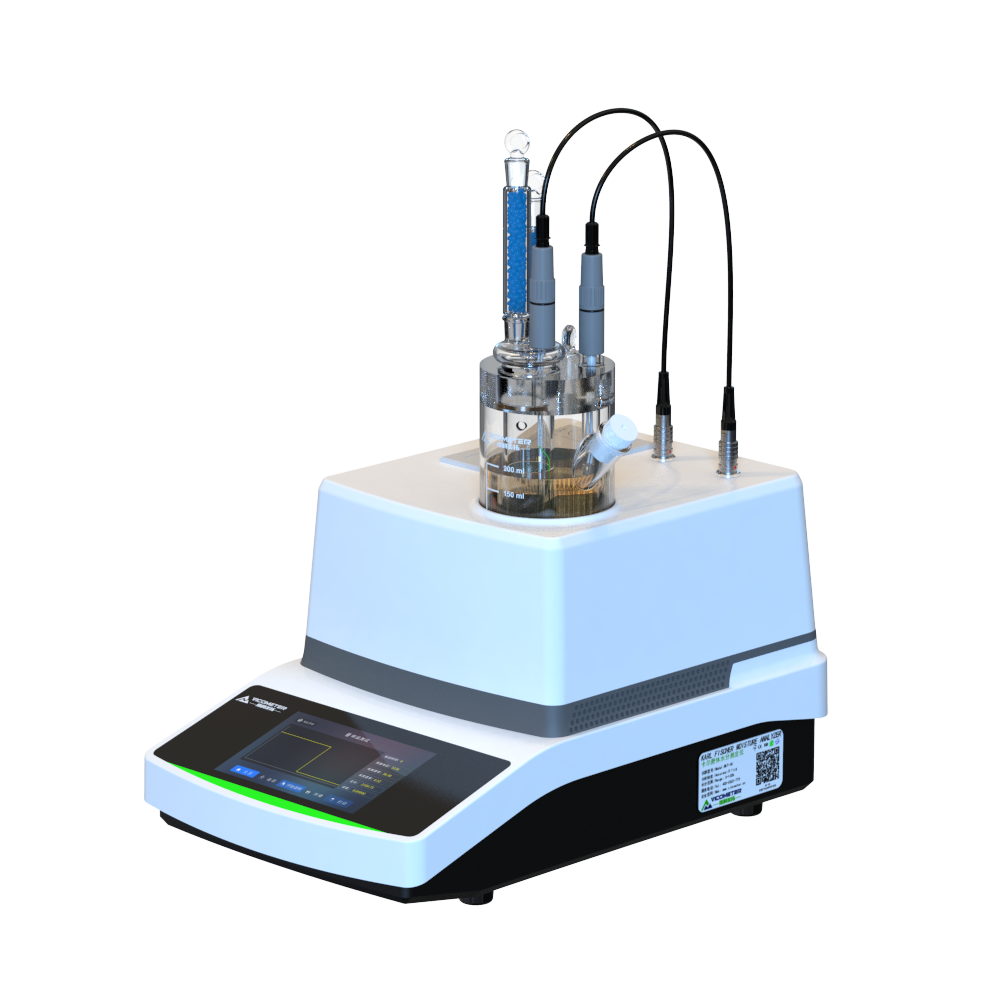
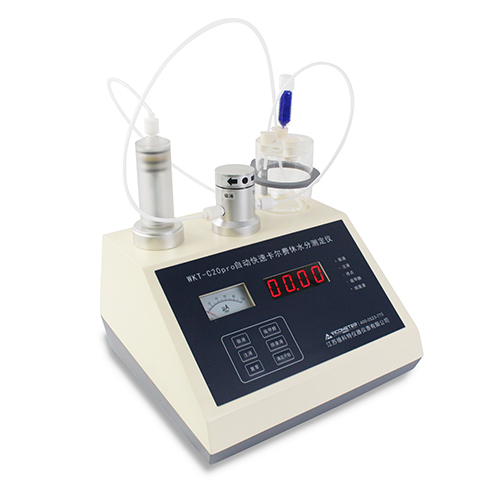
WKT-V2-A9 Karl Fischer Moisture Analyzer
(Click image to enlarge)
A Karl Fischer moisture analyzer determines water content by the Karl Fischer method; this classic instrument is designated for many substances. Covered in other VicoMeter articles, it is not repeated here.
Various problems can cause large deviations in Karl Fischer measurement. The prerequisite for accurate results is the instrument's own accuracy — solutions are meaningful only when accuracy and stability meet standards.
Accuracy is ensured by verifying with reference materials; measure samples only when accuracy and repeatability pass, otherwise standardize and calibrate. What standardization substances and methods exist? VicoMeter, a moisture expert, explains.
VicoMeter Karl Fischer analyzers are typically verified and standardized with methanol-water standards, sodium tartrate dihydrate, distilled water, and water-saturated toluene.
Sodium tartrate dihydrate is a common water standard: theoretical water 15.66%, loss on drying at 105°C 15.65 ± 0.02%, weight gain after long exposure to 20–70% RH only 0.01–0.09%. Water-saturated toluene also works well; simplest are pure water and methanol-water standards. Common verification and standardization methods follow.

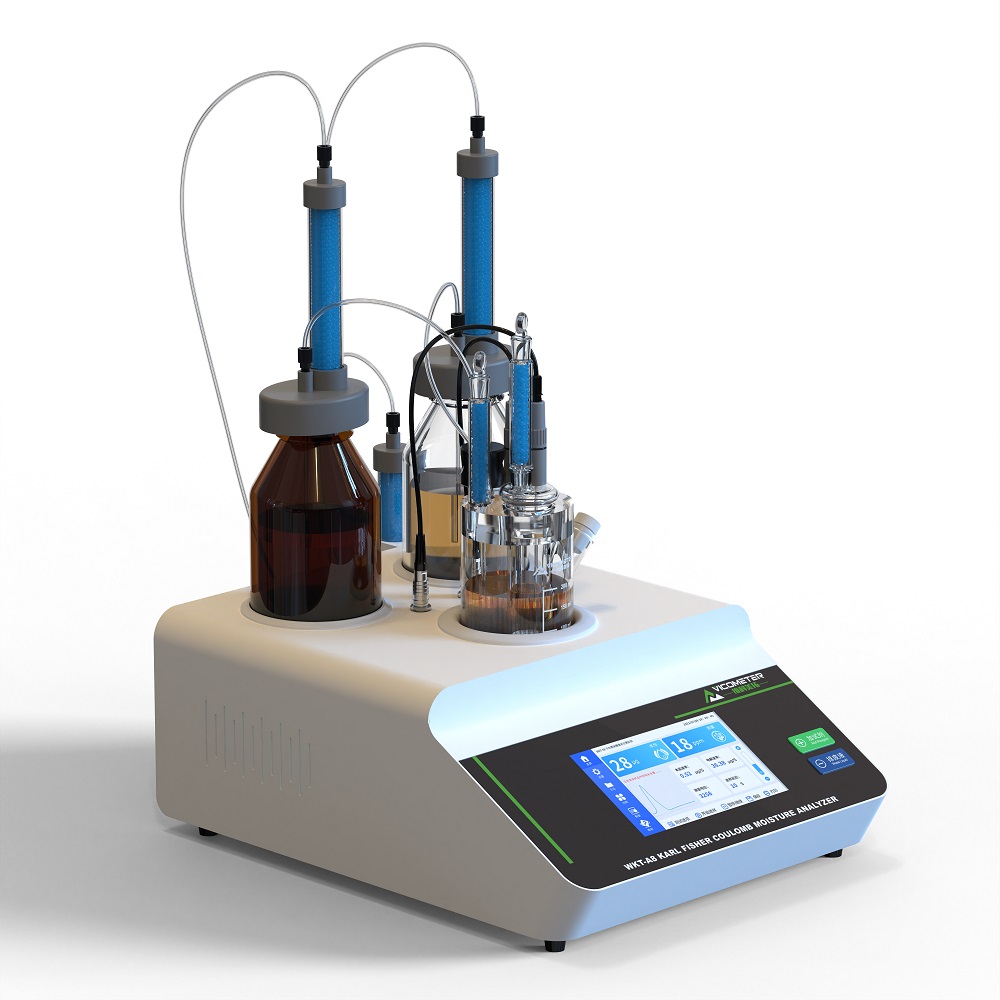
WKT-A9Karl Fischer Moisture Analyzers(coulometric)
Tap "Start Injection", then add 0.1 μL pure water into the anode compartment before the countdown ends. Titration starts automatically; at the buzzer, the endpoint is reached and the result should read 100 μg ± 8 μg water (incl. injection error). If within range, begin measuring.
Also verify with 1 μL and 2 μL injections; all three points within range indicate more reliable accuracy.
Run each volume 2–3 times to verify repeatability; if all results are within tolerance, begin measurement.
Draw 1 mL of 1000 ppm standard with a 1 mL syringe, weigh and tare. Tap "Start Injection" and inject into the anode compartment before the delay ends. Reweigh the syringe — the absolute negative value is the sample weight; enter it in "Sample Weight". At the buzzer, the result should read 1000 ppm ± 53 ppm (incl. injection error). If within range, begin measuring.
Verification must use weighing, not volume: it verifies concentration, and the standard's density is unknown (unlike pure water), so 1 mL cannot be converted to weight directly.
Weighing error is the largest error source here — use a qualified analytical balance with 0.1 mg or better readability. A 1000 ppm (0.1%) standard is recommended.
If standardized values are inaccurate, first rule out injection error, environmental interference, and reagent failure. If excluded, consider electrode or instrument aging and correct results with the built-in calibration coefficient.

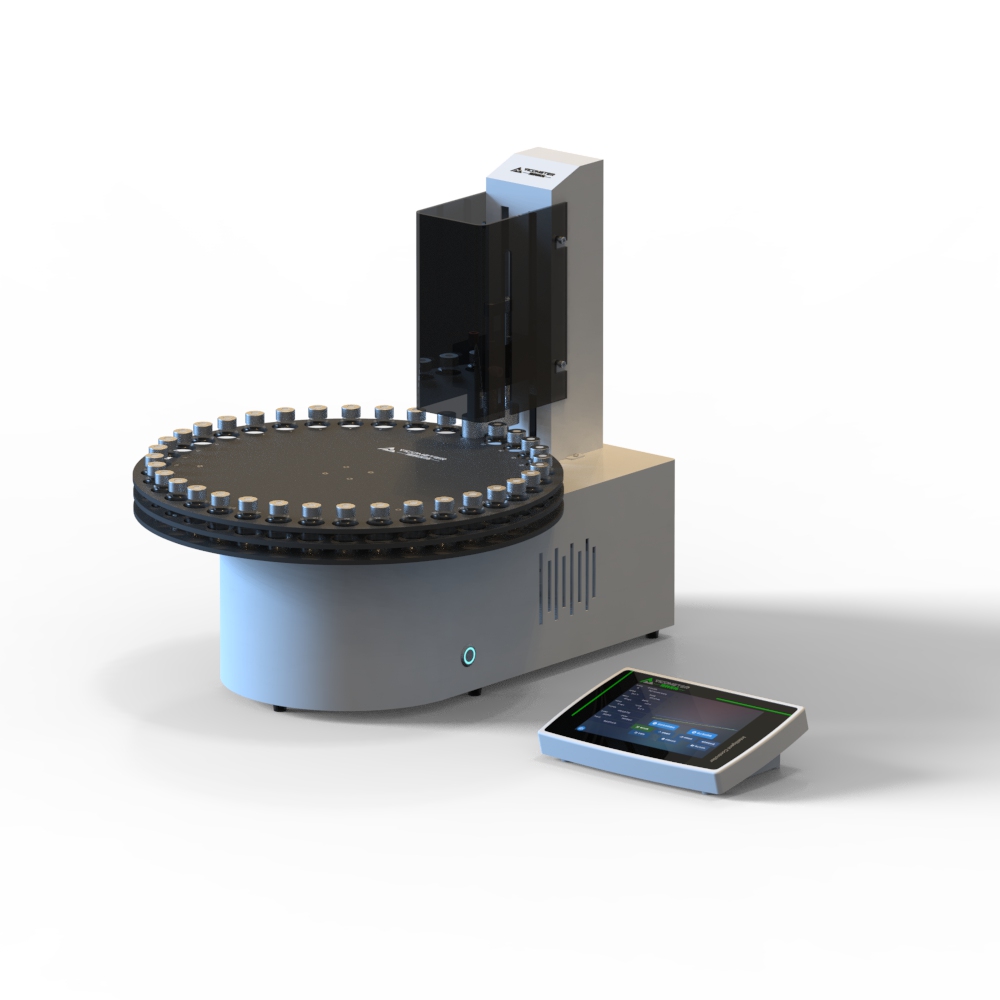
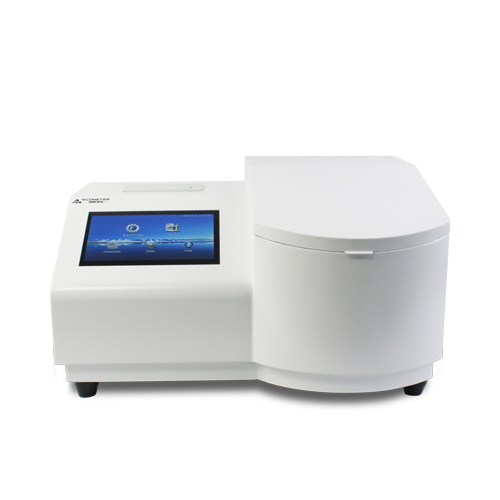
WKT-C9 Karl Fischer Moisture Titrator Volumetric
Before use, the reagent's exact titer must be determined against a known standard — standardization. Titer unit: mgH2O/mL (water titrated per mL titrant). Though stated on the label, the titer drops continuously once the bottle is opened and absorbs ambient moisture, so standardization is essential.
Volumetric reagents are commonly standardized with three water standards:
1. Deionized water (pure water)
2. Solid standards
3. Liquid standards
The simplest standardization uses deionized water. Select "Reagent Standardization", press "Confirm"; inject 10 mg DI water into the reaction vessel, press "Confirm"; enter the sample amount, press "Confirm" for the first run. With conditions unchanged, standardize 5 times, discard outliers, and average automatically.
Sodium tartrate dihydrate, with stable bound water (typically 15.66% ± 0.05%), serves as a water standard; certified material is commercially available.
Set minimum dosing 0.5 μL, endpoint delay 20 s. Select "Reagent Standardization", press "Confirm"; add the weighed sodium tartrate dihydrate (65 mg recommended), press "Confirm"; enter the amount and run the first standardization. With conditions unchanged, standardize 5 times, discard outliers, and average.
Liquid water standards (typically 100 ppm–5%) are commercially available; procedure as above. Packed in ampoules with certified water content, they inject through the septum without exposing the cell to air — no drift test needed.
Related Content
Related Products
Recently Viewed Products




Copyright © Jiangsu Victor Instrument Meter Co., Ltd. All rights reserved | Sitemap | Technical Support: VicoMeter Operations Center